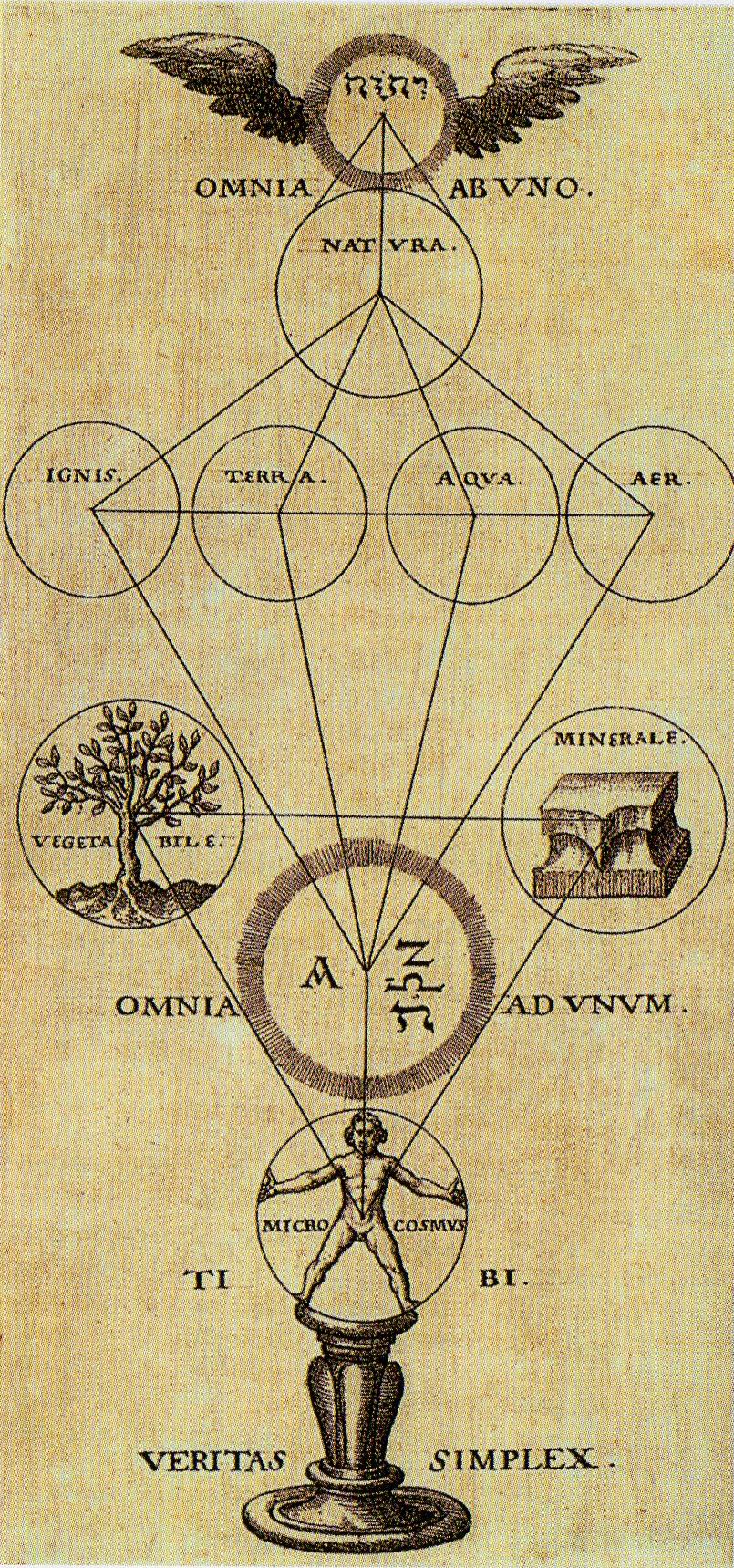
Peter tradition presents a rich body of esoteric concepts, entities, and relationships that warrant a nuanced exploration. By examining the connections between these figures and symbols, we will uncover a deeper understanding of the community's spiritual and philosophical contours.
The Martyrdom Complex
Martyrdom, as a ritualistic act of dying for one's beliefs, serves as a common thread throughout the St. Peter tradition. James the Great, and Savonarola are all associated with martyrdom, either through their own experiences or their involvement in the visual representation of martyrdom. This shared theme speaks to the community's emphasis on the transformative power of sacrifice and the willingness to surrender one's life for a higher purpose.
The Rise of Prophecy
The figures of Savonarola, Joachim of Floras, and St. Paul are all linked to prophetic teachings that influenced public opinion and beliefs. Savonarola's rise, in particular, helped silence the use of paper oracles, marking a shift towards a more prophetic stance in religious guidance. This transition suggests a community emphasis on the importance of individual spiritual insight and the need for guidance that transcends traditional forms of communication with spirits.
The Interplay between Prophecy and Martyrdom
The relationships between Savonarola, Joachim of Floras, and St. Paul highlight the sympathy of prophecy and martyrdom within the St. Peter tradition. These figures, all associated with prophetic teachings, are also connected to the theme of martyrdom, either through their own experiences or their involvement in the representation of martyrdom. This interplay suggests that the community views prophecy and martyrdom as complementary aspects of a larger spiritual narrative, where the willingness to sacrifice one's life is often a direct consequence of prophetic conviction.
The Role of Resuscitation
The December Evidentiary Facts, Saul of Tarsus (St. Paul), and Eutychus are all connected to the theme of resuscitation, highlighting the community's interest in the miraculous and the transformative power of spiritual intervention. The resuscitation of Eutychus, in particular, serves as a testament to the community's emphasis on the possibility of spiritual rebirth and the idea that even in the face of death, there is the potential for renewal and transformation.
Bibliographia & Fontes
Primary Source Books Used in This Article
The doctrines, historical citations, and symbolic correspondences synthesized in this article are drawn from the following primary works and chapters:
- I.Éliphas Lévi, Transcendental Magic: Its Doctrine and Ritual (Dogme et Rituel de la Haute Magie)1856 / 1896 trans.
Translated and Annotated by A. E. Waite
Chapters / Sections Consulted:Part II: The Ritual of Transcendental Magic - II.Manly P. Hall, The Secret Teachings of All Ages1928
An Encyclopedic Outline of Masonic, Hermetic, Qabbalistic and Rosicrucian Symbolical Philosophy
Chapters / Sections Consulted:Ch. “The Human Body in Symbolism”
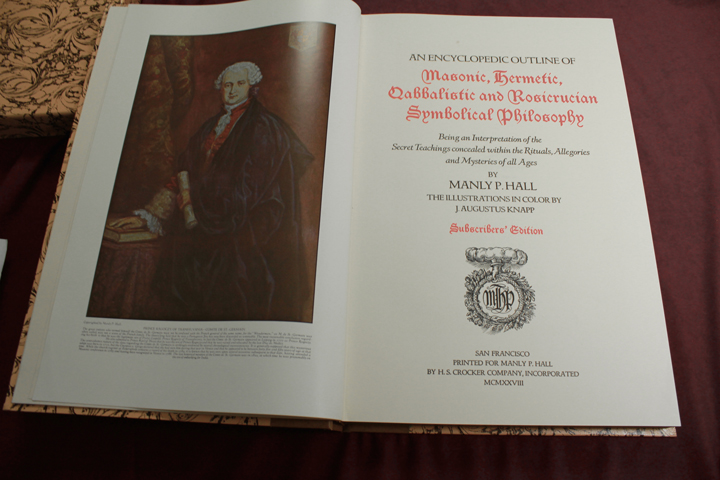
The Secret Teachings of All Ages (Manly P. Hall — Reader’s Edition)
An encyclopedic outline of Masonic, Hermetic, Qabbalistic, and Rosicrucian symbolical philosophy, detailing the rites of ancient mystery schools from Eleusis to the Rose Cross.