The Arthurian legacy, rooted in British mythology, revolves around the enigmatic figure of King Arthur and his Knights of the Round Table. By examining the connections between the Rosicrucians, the Order of the Garter, and the Round Table Order, this analysis reveals a rich body of themes and motifs that demonstrate the enduring significance of the Arthurian legend.
The Chivalric Orders: A Web of Symbolism and Lineage
The Round Table Order, founded by King Arthur, represents the epitome of chivalry and knighthood. The Order's annual celebration of Pentecost reveals the place of nobility and valor among its members. The symbolic meaning behind the Round Table's formation and meetings, though lost to time, remains a testament to the Order's enduring legacy. The Order of the Garter, with its round table symbol, shares a historical link with the Round Table Order, demonstrating the common themes of honor and valor that define these chivalric entities.
The Rosicrucians, a secret society known for their cryptographic references and watermarked papers, exhibit a historical and mythological link with the Round Table Order. This connection suggests that both orders drew upon a shared symbolic heritage, one that emphasized the importance of chivalry and knighthood. The Rosicrucians' use of cryptic symbols and rituals parallels the Round Table Order's reliance on symbolic representations, highlighting the interconnected nature of these chivalric entities.
The Kingdom of Camblan: A Turning Point in the Arthurian Narrative
The Kingdom of Camblan, where King Arthur and his Knights met their end, marks a pivotal moment in the Arthurian saga. The Battle of Camblan, in which Mordred and King Arthur perished, resulted in the downfall of the Knights of the Round Table and the dissolution of the Order. This tragic event serves as a testament to the loyalty and honor that defined the Knights, who gave their lives in defense of their king.
Pantocrator and the Panoramic Rites: A Glimpse into Pagan Philosophy
The concept of Pantocrator, the universal savior-god in pagan philosophy, influenced Christian concepts and parallels the rites of Christos. The Panoramic Rites, describing complex ceremonies and practices in the ancient world, potentially parallel Christian rituals. King Arthur's connection to these rites and the concept of the "World Mystery" suggests a deeper philosophical underpinning to the Arthurian narrative, one that explores the intersections between pagan and Christian thought.
Preston John and the Grail Kings: A Lineage of Spiritual Quest
Preston John, the last of the Grail Kings, carried the Holy Cup into India, demonstrating the Arthurian legacy's connection to spiritual quest and the pursuit of wisdom. This lineage figure, connected to the Arthurian legends, reveals the place of the Holy Grail as a symbol of spiritual aspiration and the pursuit of enlightenment.
Bibliographia & Fontes
Primary Source Books Used in This Article
The doctrines, historical citations, and symbolic correspondences synthesized in this article are drawn from the following primary works and chapters:
- I.Manly P. Hall, The Secret Teachings of All Ages1928
An Encyclopedic Outline of Masonic, Hermetic, Qabbalistic and Rosicrucian Symbolical Philosophy
Chapters / Sections Consulted:Ch. “Mystic Christianity” · Ch. “Stones, Metals, and Gems”
Further Inquiry in This Cycle
Companion Studies & Disputations
King Arthur & Knights Of The Round Table: The Arthurian Legacy
The Arthurian legend, as represented by the entities and relationships within this esoteric current, offers a rich body of themes and motifs that continue…
The Pagan Roots of Universal Salvation
In this essay, we examine the esoteric concepts of this hermetic lineage, specifically the entities of Pandeimonium and Panoramic Rites, and their…
Round Table Order: Symbolism of the Round Table
By examining the connections between the Rosicrucians, Round Table Order, Pentecost, and Order of the Garter, we uncover a shared symbolism and…
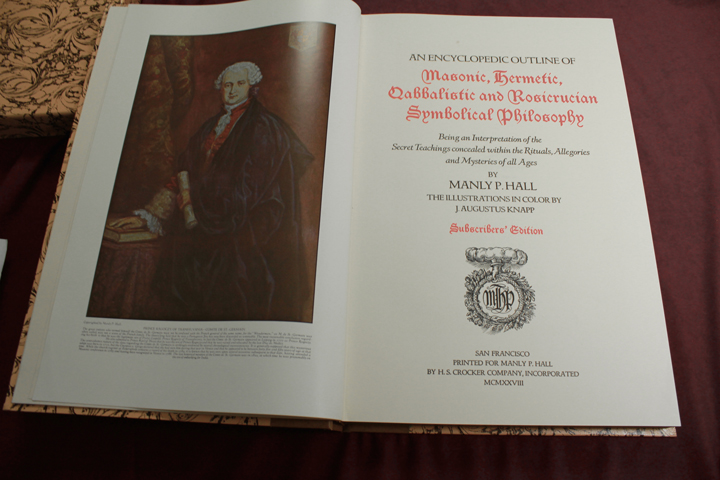
The Secret Teachings of All Ages (Manly P. Hall — Reader’s Edition)
An encyclopedic outline of Masonic, Hermetic, Qabbalistic, and Rosicrucian symbolical philosophy, detailing the rites of ancient mystery schools from Eleusis to the Rose Cross.