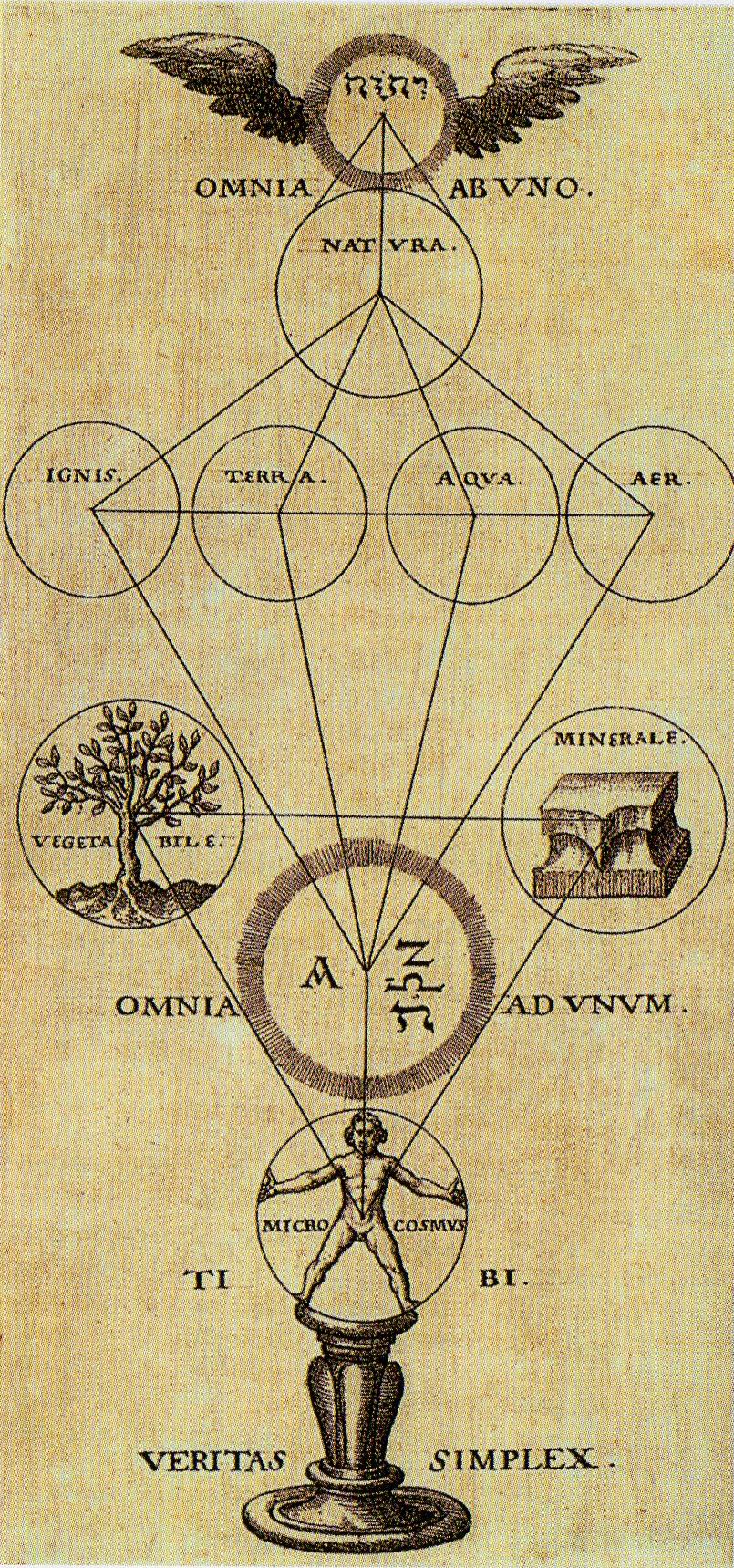
In this essay, we examine the philosophical underpinnings of this hermetic lineage, a conceptual framework that explores the intricate relationships between human arrogance and its consequences. Through the lens of a vision featuring human cords and an aged man, we examine the notion that arrogance can lead to downfall, while humility can foster a more harmonious existence. Our analysis reveals a network of sympathies among these principles, affirming the role of self-awareness and the dangers of unchecked pride.
The Vision of Human Cords: A Metaphor for Arrogance and Consequences
The vision of human cords, suspended in mid-air, serves as a potent metaphor for the human condition. The cords, symbolizing the connections between individuals, are severed by an aged man, resulting in the downfall of those who have become too arrogant. This dramatic event represents the consequences of unchecked pride, where individuals, having lost sight of their place within the larger web of human relationships, suffer a great fall.
The aged man, as the agent of change, embodies wisdom and discernment. By cutting the threads, he enacts a form of cosmic justice, restoring balance to the community. This act serves as a reminder that arrogance, when left unchecked, can lead to devastating consequences, not only for the individual but also for the community at large.
The Three Groups: A Lineage of Arrogance and Humility
The three groups, representative of different levels of arrogance, offer a nuanced understanding of the human experience. These groups, existing within the vision of human cords, symbolize the various stages of human development, from the humble to the arrogant. The differing outcomes for each group serve as a testament to the importance of self-awareness and the dangers of unchecked pride.
The relationships between these groups and the vision of human cords reveal a deeper truth: that our individual actions have consequences that ripple throughout the community. The aged man's intervention serves as a catalyst, highlighting the need for humility and self-awareness in order to maintain harmony within the community.
Bibliographia & Fontes
Primary Source Books Used in This Article
The doctrines, historical citations, and symbolic correspondences synthesized in this article are drawn from the following primary works and chapters:
- I.Manly P. Hall, The Secret Teachings of All Ages1928
An Encyclopedic Outline of Masonic, Hermetic, Qabbalistic and Rosicrucian Symbolical Philosophy
Chapters / Sections Consulted:Ch. “The Chemical Marriage of Christian Rosenkreutz”
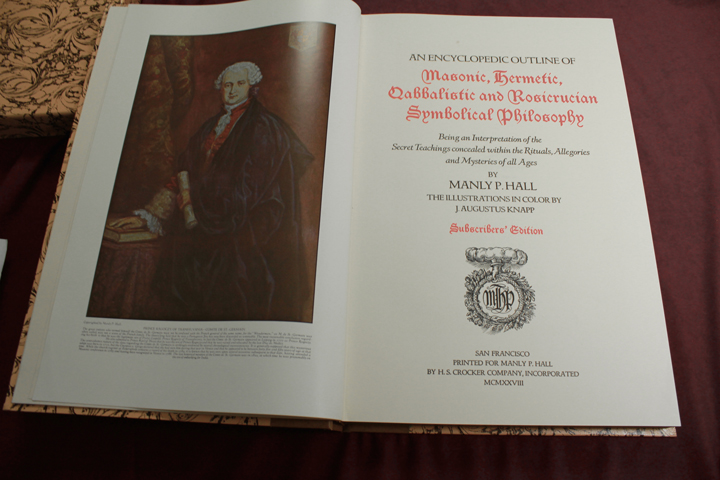
The Secret Teachings of All Ages (Manly P. Hall — Reader’s Edition)
An encyclopedic outline of Masonic, Hermetic, Qabbalistic, and Rosicrucian symbolical philosophy, detailing the rites of ancient mystery schools from Eleusis to the Rose Cross.