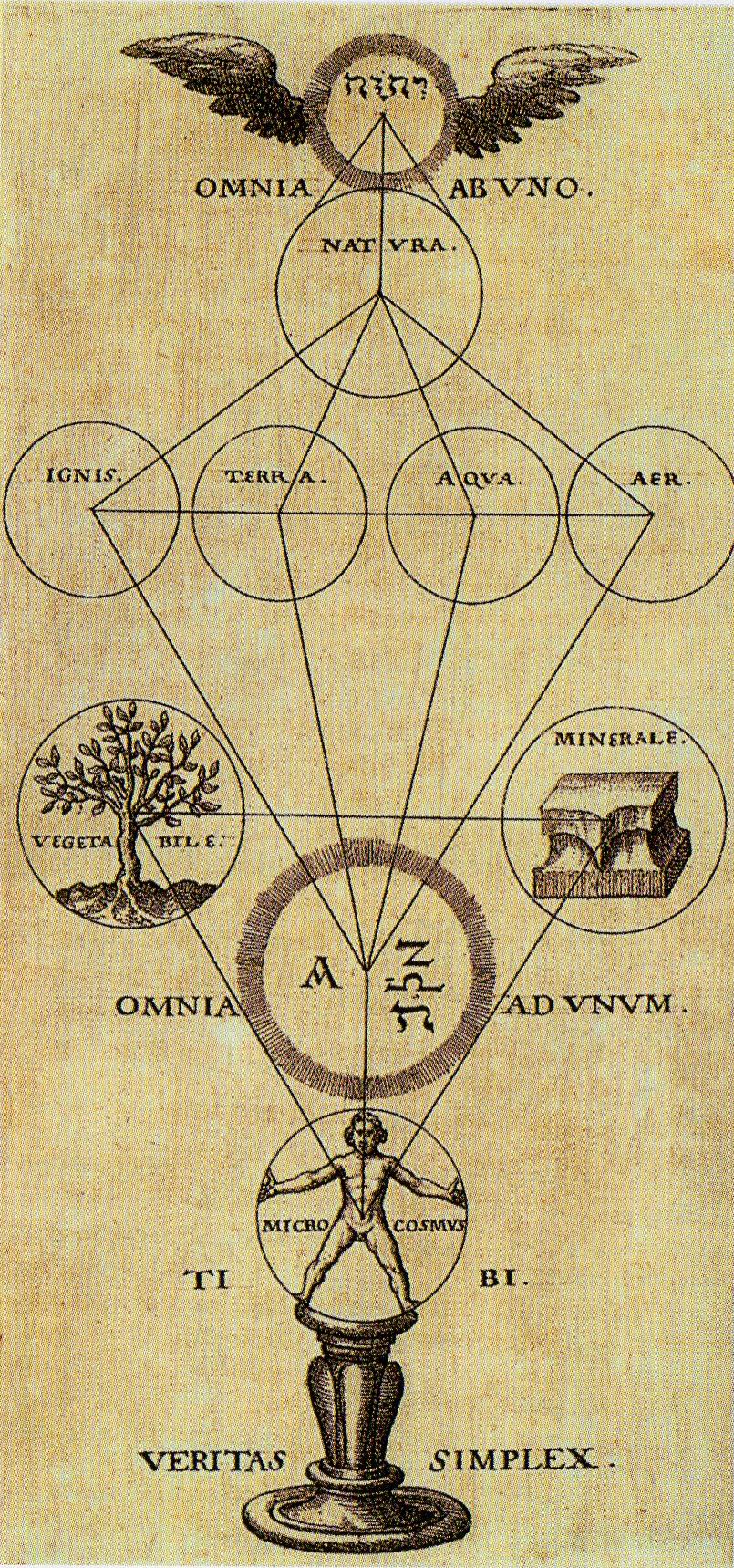
Our analysis reveals a rich body of themes, including the pursuit of spiritual growth, the interplay between light and darkness, and the significance of ritualistic practices in fostering a deeper understanding of the self and the universe.
Historical & Symbolic Context
Central to this hermetic lineage's philosophical framework is a profound emphasis on spiritual growth and the cultivation of virtues. The gemstones Beryl and Jasper, for instance, symbolize meekness, humility, and the power to overcome darkness and foolishness. These virtues are closely tied to the concept of the Landscape Island, which represents the journey of knowledge and enlightenment. The White Lily, with its inscription "Virginei laus prima pudoris," further reinforces the importance of purity and virtue in this spiritual pursuit.
The altar, situated on the sixth floor, serves as a central hub for ritualistic practices, which are designed to invoke spirits, create visible souls, and facilitate spiritual growth. The Ray of Light, directed towards the altar, serves an essential office in these rituals, working in conjunction with the mirror to multiply and magnify the forms created. Fumigations, involving intoxicating perfumes, intensify the effects of the rituals, exalting the senses and creating a dream-like state.
The sphere, found near or on the altar, represents the unity and perfection of the divine, embodying the universe or cosmos. This symbolism is closely tied to the concept of the altar itself, which serves as a connection between the physical and spiritual realms. The white serpent, used as a source of blood for feeding the bird, and the white serpent's blood, offered to the altar, further emphasize the importance of sacrifice and offerings in these ritualistic practices.
The relationships between the various floors, such as the sixth, seventh, and eighth floors, reveal a hierarchical structure, with each floor representing a distinct stage in the spiritual journey. The bird's sacrifices on the sixth floor, for instance, are associated with the selection of labourators, while the homunculi are created and their souls ensouled on the eighth floor.
Throughout this philosophical framework, we find a recurring emphasis on the interplay between light and darkness. The Ray of Light, for example, is used to overcome darkness and foolishness, while the sphere represents the unity and perfection of the divine. This dialectical relationship is further reflected in the symbolism of the eyes, which are associated with the Hebrew letter ח (Ch), denoting dominance or control.
The Altar tradition's esoteric data points reveal a rich and complex philosophical framework, centered on the pursuit of spiritual growth, the interplay between light and darkness, and the significance of ritualistic practices.
Bibliographia & Fontes
Primary Source Books Used in This Article
The doctrines, historical citations, and symbolic correspondences synthesized in this article are drawn from the following primary works and chapters:
- I.Manly P. Hall, The Secret Teachings of All Ages1928
An Encyclopedic Outline of Masonic, Hermetic, Qabbalistic and Rosicrucian Symbolical Philosophy
Chapters / Sections Consulted:Ch. “The Chemical Marriage of Christian Rosenkreutz” - II.Franz Hartmann, In the Pronaos of the Temple of Wisdom / Philosophy of the Rosicrucians and Alchemists1890
Containing the History of the True and the False Rosicrucians and the Principles of Alchemy
- III.Éliphas Lévi, Transcendental Magic: Its Doctrine and Ritual (Dogme et Rituel de la Haute Magie)1856 / 1896 trans.
Translated and Annotated by A. E. Waite
Chapters / Sections Consulted:Part II: The Ritual of Transcendental Magic - IV.Max Heindel, The Rosicrucian Mysteries: An Elementary Exposition of Their Secret Teachings1911
The Rosicrucian Fellowship
Further Inquiry in This Cycle
Companion Studies & Disputations
Altar & Fumigation: The Luminous Nexus
By examining the interplay between the Ray of Light, Altar, Mirror, Fumigation, Eyes, Tile, and White Serpent, we will trace the philosophical…
Jasper, Beryl & Landscape Island in Initiatic Orders
Through a careful analysis of their properties and connections, we uncover a rich body of virtues, wisdom, and the pursuit of enlightenment, revealing a…
Seventh Floor: The Tower of Transmutation
Through a close analysis of the entities and relationships, this synthesis reveals a profound philosophical narrative of transformation, sacrifice, and the…
The Cosmological Unity of Sacrifice and Exclusion
Through a close examination of the entities and relationships within this community, this analysis reveals a network of associations that speak to the…
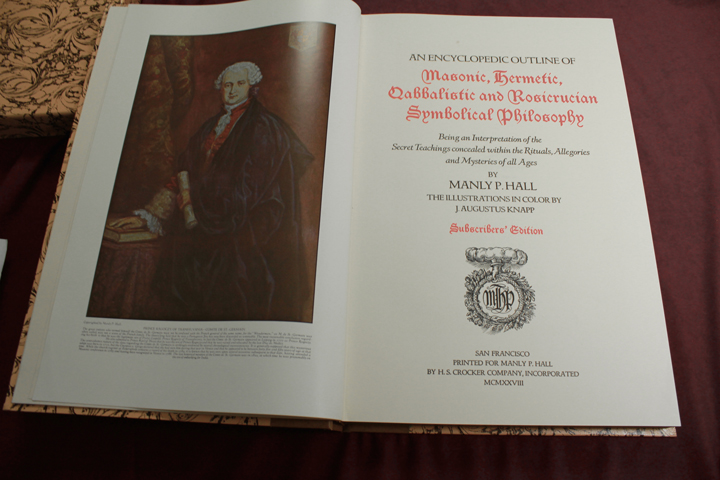
The Secret Teachings of All Ages (Manly P. Hall — Reader’s Edition)
An encyclopedic outline of Masonic, Hermetic, Qabbalistic, and Rosicrucian symbolical philosophy, detailing the rites of ancient mystery schools from Eleusis to the Rose Cross.