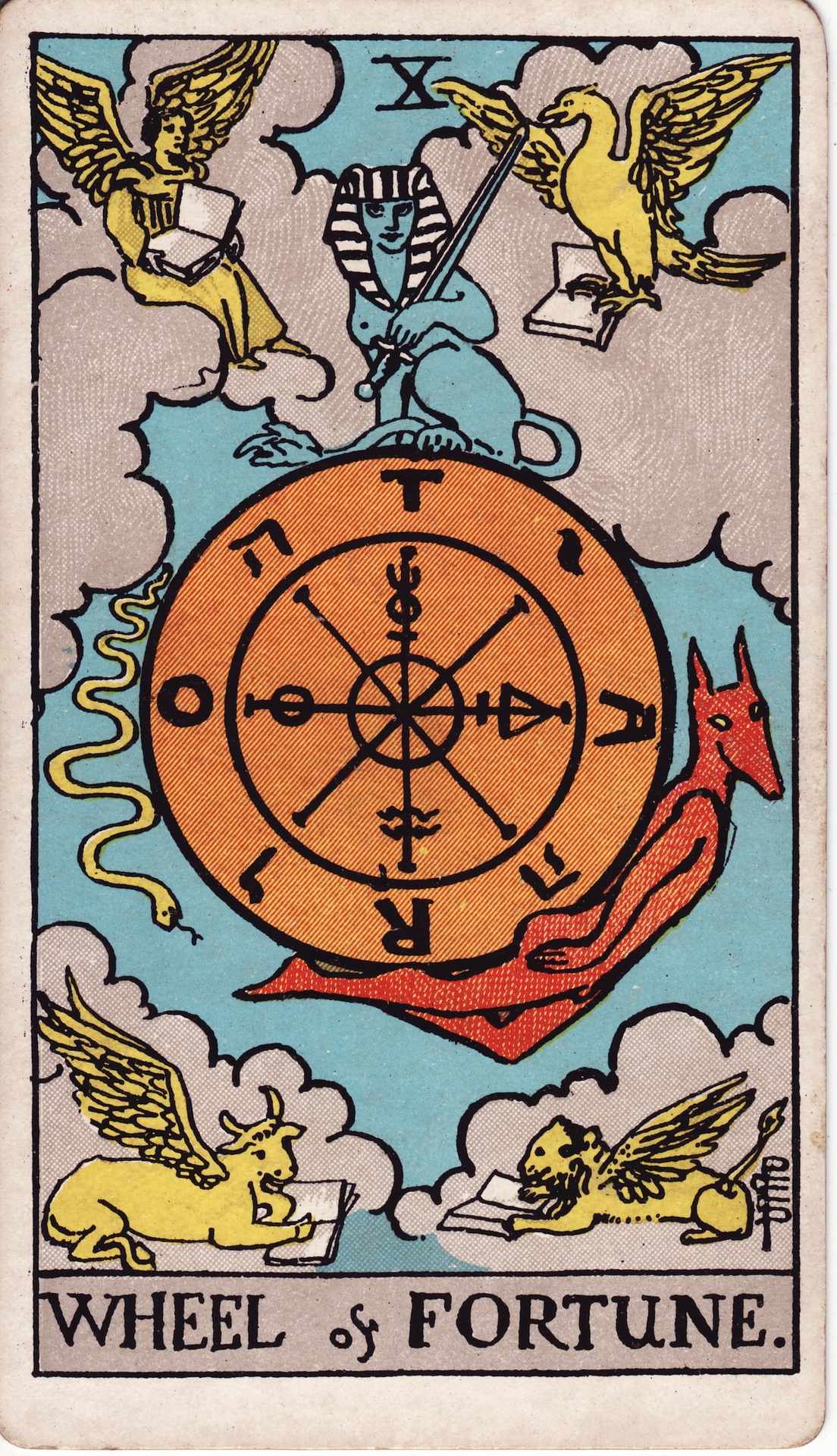
The relationships between these figures and symbols reveal a network of ideas surrounding material success, inner truth, and the human condition.
Historical & Symbolic Context
Central to this philosophical inquiry is the paradox of material success and inner truth. The Two of Pentacles and Ace of Pentacles cards represent two sides of this coin. The Two of Pentacles embodies balance and equilibrium, while the Ace of Pentacles symbolizes abundance and prosperity. These cards highlight the tension between mastering and maintaining balance in one's material life and achieving a state of abundance and success. This dichotomy is reflective of the human condition, where individuals must navigate the complexities of external success while seeking internal fulfillment.
The Five of Pentacles card, however, reveals a darker aspect of material success. It symbolizes destitution, scarcity, and a lack of resources, highlighting the potential consequences of imbalance and disorder. This card serves as a warning, demonstrating the importance of adaptability and resilience in the face of adversity. The relationship between the Two of Pentacles and Five of Pentacles cards demonstrates the precarious nature of material success, where stability and prosperity can quickly give way to hardship and deprivation.
Disorder and Chaos, as entities, serve as a bridge between the material and philosophical realms. The reversed meanings of the Two of Pentacles card imply a state of disturbance and confusion, while the Five of Pentacles card represents chaos and destitution. This connection highlights the interplay between external events and internal states, where material instability can have a profound impact on one's inner world.
The Hermit card, with its associations with the solitary path of the initiate, offers a counterpoint to the material concerns of the pentacles suit. This card symbolizes the journey of seeking hidden wisdom through isolation and introspection, reflecting a profound dedication to personal enlightenment and the pursuit of deeper understanding. The Hermit's connection to Diogenes, the philosopher known for his asceticism and quest for an honest man, reinforces the idea that true wisdom and understanding can only be achieved through a rejection of external trappings and a focus on internal growth.
The relationship between the Hermit and Disorder and Chaos cards serves as a reminder that the pursuit of inner truth is not without its challenges. The Hermit's caution and potential treachery may lead to chaos and disorder, highlighting the risks and uncertainties of the solitary path. However, it is through embracing these risks and uncertainties that individuals can hope to achieve true understanding and inner peace.
The principles and correspondences presented in this inquiry reveal a network of ideas surrounding material success and inner truth. Through the paradoxes and trade-offs that exist between external success and internal enlightenment, we are reminded that true wisdom and understanding can only be achieved through a deep and profound exploration of the human condition.
Bibliographia & Fontes
Primary Source Books Used in This Article
The doctrines, historical citations, and symbolic correspondences synthesized in this article are drawn from the following primary works and chapters:
- I.Manly P. Hall, The Secret Teachings of All Ages1928
An Encyclopedic Outline of Masonic, Hermetic, Qabbalistic and Rosicrucian Symbolical Philosophy
Chapters / Sections Consulted:Ch. “An Analysis of Tarot Cards” - II.Arthur Edward Waite, The Pictorial Key to the Tarot1910
Being Fragments of a Secret Tradition under the Veil of Divination
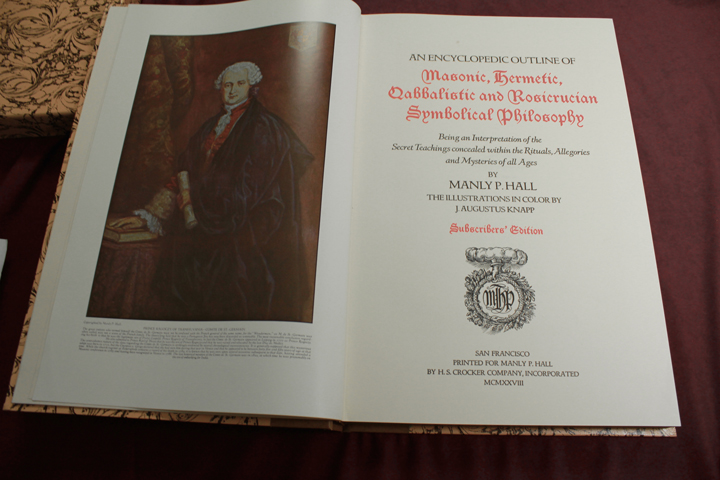
The Secret Teachings of All Ages (Manly P. Hall — Reader’s Edition)
An encyclopedic outline of Masonic, Hermetic, Qabbalistic, and Rosicrucian symbolical philosophy, detailing the rites of ancient mystery schools from Eleusis to the Rose Cross.