The Rhetoric tradition presents a fascinating web of sympathies among these principles that embody the intersections of art, history, and reason. At its core, this tradition revolves around the Muses Euterpe and Clio, who symbolize literature, art, history, and the knowledge of the past. The Liberal Arts substances of Logic and Rhetoric weave through these figures and symbols, highlighting the intricate dance between rational thought, persuasive argumentation, and the pursuit of truth.
The Muses: Euterpe and Clio
Euterpe, the Muse of literature and art, is associated with Logic, demonstrating the rational and literary aspects of creative expression. This connection suggests that artistic pursuits are not merely emotional or intuitive, but also grounded in rational thought and critical reasoning. Euterpe's realm, therefore, embodies the interplay between imagination and logic, affirming the role of clear thinking in the creative process.
Clio, the Muse of history, is connected to Rhetoric, emphasizing the role of persuasive storytelling in the transmission of historical knowledge. This relationship implies that historical truth is not merely a matter of factual accuracy, but also of narrative persuasion and the art of conveying the past in a compelling and meaningful way. Clio's domain, thus, demonstrates the intersection of historical fact and rhetorical flair.
The Interplay of Logic and Rhetoric
The connection between Logic and Rhetoric reveals a deeper philosophical dynamic at play in the Rhetoric tradition. Both substances deal with the principles of persuasive argumentation and reasoning, yet they approach these concerns from distinct angles. Logic, as a key part of the Liberal Arts, emphasizes the importance of rational thought and critical reasoning in the pursuit of knowledge. Rhetoric, on the other hand, highlights the art of persuasion, recognizing that truth is not merely a matter of logical proof, but also of effective communication and emotional resonance.
The relationship between Logic and Rhetoric, therefore, suggests a dialectical tension between the pursuit of objective truth and the subjective, persuasive aspects of human communication. This interplay demonstrates the complexity of knowledge and the importance of balancing rational inquiry with rhetorical sensitivity.
Bibliographia & Fontes
Primary Source Books Used in This Article
The doctrines, historical citations, and symbolic correspondences synthesized in this article are drawn from the following primary works and chapters:
- I.Arthur Edward Waite, The Pictorial Key to the Tarot1910
Being Fragments of a Secret Tradition under the Veil of Divination
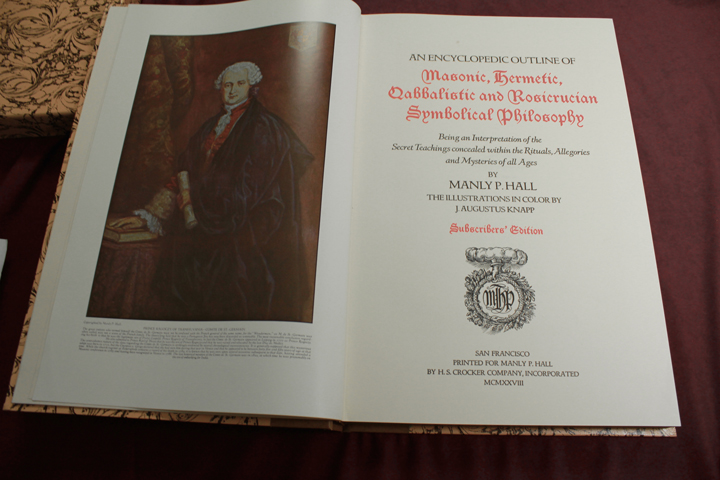
The Secret Teachings of All Ages (Manly P. Hall — Reader’s Edition)
An encyclopedic outline of Masonic, Hermetic, Qabbalistic, and Rosicrucian symbolical philosophy, detailing the rites of ancient mystery schools from Eleusis to the Rose Cross.