The doctrine of Apuleius encompasses principles and correspondences, centering around the figure of Lucius Apuleius, a historical and literary personality. Through his experiences, writings, and associations, we gain insight into a mystical tradition that encompasses transformation myths, initiation rites, and profound spiritual teachings.
The Metamorphic Path
Central to this hermetic lineage is the figure of Lucius Apuleius, a man whose life and works embody the transformative power of mystical experiences. His alleged metamorphosis into an ass, as described in the lore, serves as a testament to the initiatory processes he underwent. This transformation, however, is not merely a physical one but also a spiritual and philosophical journey. Apuleius' involvement with the mystery society and his writings, particularly "The Golden Ass" and "The Metamorphosis," demonstrate his deep engagement with mystical doctrines and philosophical concepts.
The mystery society, of which Apuleius was an initiate, represents a collective body of individuals who shared in the teachings and rituals of the secret order. The society's initiatory process, inclusive of men and children, albeit in a simpler form for the latter, attests to the necessity of spiritual growth and transformation. This process is facilitated by the mystical doctrines, which reveal profound spiritual teachings and philosophical insights. The relationships between Apuleius, the mystery society, and the mystical doctrines form a complex network, highlighting the sympathy of personal transformation, spiritual growth, and philosophical understanding.
The figure of the ass, as a concept, assumes a manifold significance in this context. On one hand, it represents the potential curse Apuleius faced, demonstrating the risks and challenges involved in the initiatory process. On the other hand, it serves as a symbol of transformation, echoing the themes of metamorphosis and spiritual growth present throughout Apuleius' works. This dichotomy highlights the paradoxical nature of the mystical path, where transformation and growth are inextricably linked with risk and uncertainty.
Apuleius' literary style and content, particularly his reference to the daemon of Socrates as divine, betray a philosophical engagement with concepts of transcendence and the nature of the divine. This engagement is reflective of the broader mystical tradition, which seeks to reveal profound spiritual truths and facilitate personal transformation. The descriptions of the goddess Isis and the sacred item, the sistrum, further demonstrate the importance of divine transformation and mystical elements in this tradition.
The doctrine of Apuleius encompasses principles and correspondences, centering around the figure of Lucius Apuleius and the mystical tradition he represents. Through his experiences, writings, and associations, we gain insight into a profound philosophical and spiritual tradition, which emphasizes personal transformation, spiritual growth, and the pursuit of profound spiritual truths. The intricate connections between Apuleius, the mystery society, and the mystical doctrines serve as a testament to the enduring power of this tradition, which continues to inspire and transform individuals to this day.
Bibliographia & Fontes
Primary Source Books Used in This Article
The doctrines, historical citations, and symbolic correspondences synthesized in this article are drawn from the following primary works and chapters:
- I.Éliphas Lévi, Transcendental Magic: Its Doctrine and Ritual (Dogme et Rituel de la Haute Magie)1856 / 1896 trans.
Translated and Annotated by A. E. Waite
Chapters / Sections Consulted:Part II: The Ritual of Transcendental Magic - II.Manly P. Hall, The Secret Teachings of All Ages1928
An Encyclopedic Outline of Masonic, Hermetic, Qabbalistic and Rosicrucian Symbolical Philosophy
Chapters / Sections Consulted:Ch. “The Ancient Mysteries and Secret Societies (Part III)”
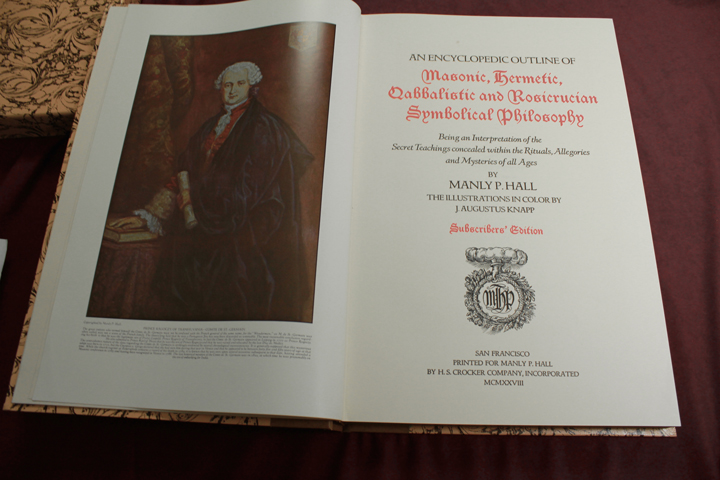
The Secret Teachings of All Ages (Manly P. Hall — Reader’s Edition)
An encyclopedic outline of Masonic, Hermetic, Qabbalistic, and Rosicrucian symbolical philosophy, detailing the rites of ancient mystery schools from Eleusis to the Rose Cross.