
The doctrine of Mopses encompasses esoteric concepts and relationships that warrant a deep philosophical analysis. At its core, this tradition revolves around the practice of sorcery, the Gnostic Sabbath, and the enigmatic Templar Baphomet.
The Sorcerous Nexus
Sorcery, as a concept, is inextricably linked to the Gnostic Sabbath through the shared practices of compounding potions and divination. This connection suggests that sorcery is not merely a tool for personal gain, but rather a means of accessing and interpreting the mysteries of the universe. The emphasis on planning and comparing notes for prophecy and divination implies a collective, collaborative approach to understanding the cosmos. This collectivism is further reinforced by the involvement of multiple individuals, both male and female, in the Gnostic Sabbath ritual.
The Gnostic Sabbath: A Ritual of Revelation
The Gnostic Sabbath, with its idol of the Hermetic dog and ridiculous grimace of recognition, appears to be a ritual of initiation and revelation. The use of bandaged eyes for candidates suggests a willingness to surrender to the unknown, to be reborn into a new understanding of the world. This ritual, with its emphasis on recognition and revelation, implies a desire to transcend the mundane and access higher states of consciousness. The involvement of Templar Baphomet, a monstrous head and idol, adds a layer of complexity to the ritual, hinting at a deeper, more esoteric significance.
Templar Baphomet: The Enigmatic Idol
Templar Baphomet, composed of three abbreviations, presents a paradoxical figure: a monstrous head and idol, yet a symbol of peace and unity. The association with the Gnostic Sabbath and the Mopses lineage suggests a connection to mystical and esoteric traditions. The bearded head and female body, holding the sun and the moon, discovered in the ruins of an old Commandery of the Temple, imply a union of opposites, a reconciliation of masculine and feminine principles. This androgynous figure may represent the ultimate goal of the Gnostic Sabbath: the integration of opposites, the transcendence of duality.
Mopses: The Lineage of the Unknown
Mopses, an association that brought the Rites of the Gnostic Sabbath from an unknown origin into Germany, appears to be a lineage of mystics and esoteric practitioners. Their use of the Hermetic dog, in place of the Kabalistic goat, suggests a distinct philosophical and symbolic framework. The recruitment of Catholics, with their solemn engagement on honour to reveal no secrets, implies a cautious, secretive approach to their practices. This secrecy may be a response to the persecution of mystical and esoteric traditions throughout history, highlighting the need for discretion and concealment.
Catholicism: The Outer Circle
Catholicism, as a concept, is tangentially connected to the Mopses lineage, representing an outer circle of influence and recruitment. The requirement for a solemn engagement on honour to reveal no secrets suggests a recognition of the dangers of persecution and the importance of discretion. This connection also implies a degree of syncretism, a blending of mystical and esoteric traditions with more mainstream, orthodox practices.
Bibliographia & Fontes
Primary Source Books Used in This Article
The doctrines, historical citations, and symbolic correspondences synthesized in this article are drawn from the following primary works and chapters:
- I.Éliphas Lévi, Transcendental Magic: Its Doctrine and Ritual (Dogme et Rituel de la Haute Magie)1856 / 1896 trans.
Translated and Annotated by A. E. Waite
Chapters / Sections Consulted:Part II: The Ritual of Transcendental Magic
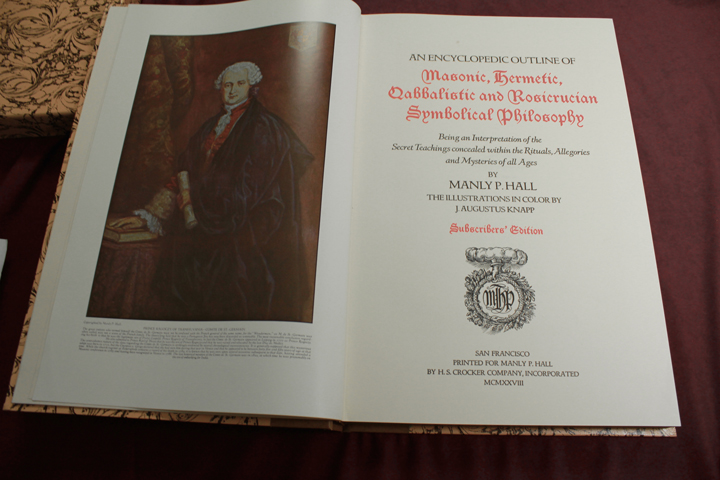
The Secret Teachings of All Ages (Manly P. Hall — Reader’s Edition)
An encyclopedic outline of Masonic, Hermetic, Qabbalistic, and Rosicrucian symbolical philosophy, detailing the rites of ancient mystery schools from Eleusis to the Rose Cross.