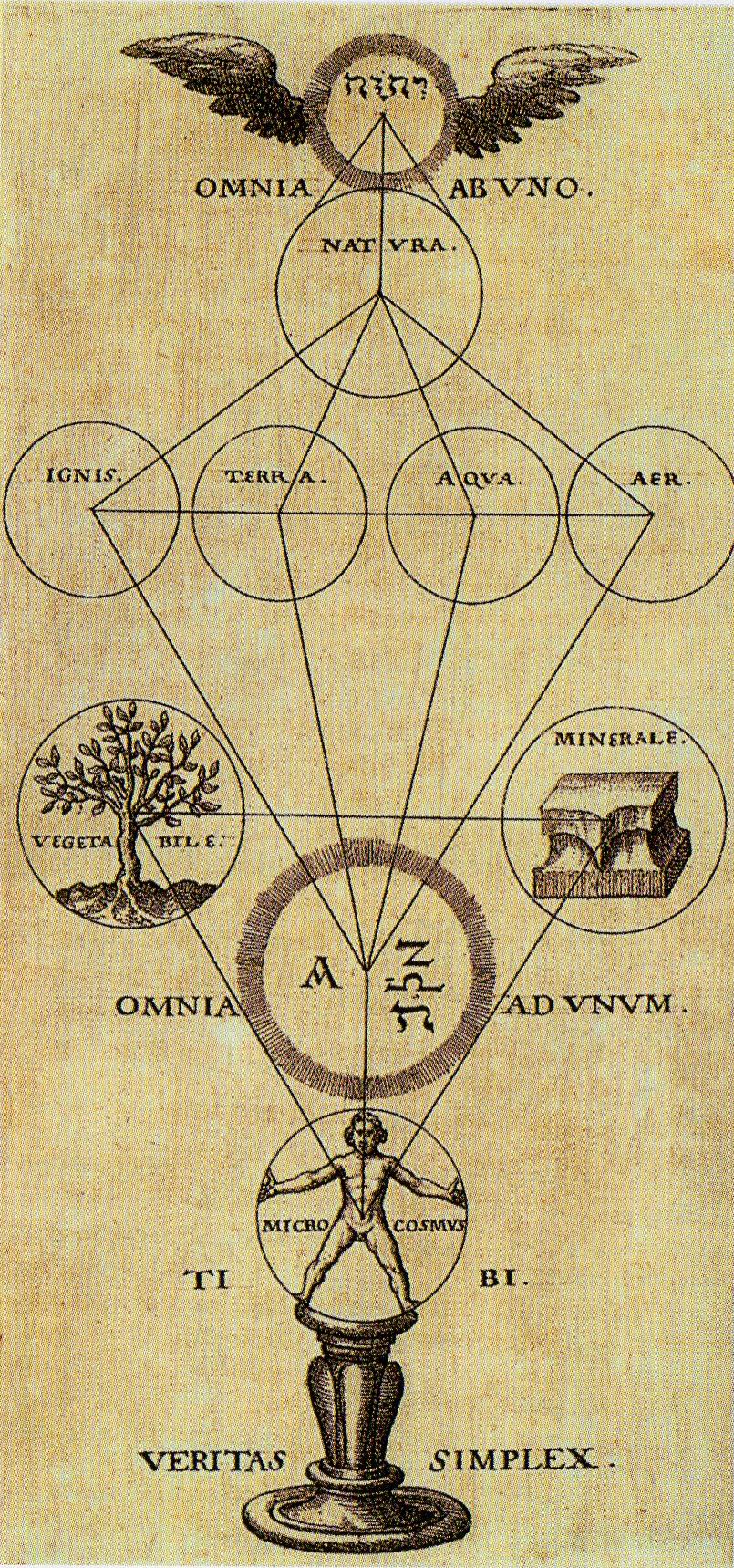
This synthesis reveals the profound influence of Bacon's thought on the development of modern Western esotericism and the enduring enigma of this hermetic lineage.
The Baconian Legacy: A Web of Esoteric Connections
Central to this esoteric network is Sir Francis Bacon, a figure whose manifold expertise spanned philosophy, science, politics, and cryptography. Bacon's involvement with the Rosicrucian movement and his alleged authorship of the Shakespearean plays and the King James Bible have led to a plethora of theories and speculations. The connections between these figures and symbols, as outlined in the provided relationships, reveal a profound web of esoteric knowledge and hidden symbolism.
The Rosicrucian movement, an esoteric society associated with mysticism and spiritual philosophies, is closely bound to Bacon's work and legacy. His writings, such as "The New Atlantis" and "Novum Organum," are imbued with Rosicrucian elements, reflecting his possible involvement with or endorsement of the Rosicrucian movement. The use of Baconian symbolism in works like "Alciati Emblemata" and "Robert Cawdary's Treasury or Storehouse of Similes" further solidifies the connection between Bacon's thought and the Rosicrucian tradition.
The Spear-Shufter (Shaker) metaphor, associated with Bacon and the Rosicrucian lineage, hints at a deeper connection between Bacon's work and the mystical principles of Rosicrucianism. This symbolic connection is echoed in the "Hercules Furieux" plate, which represents a large figure with a spear, reinforcing the link between Bacon's work and the Rosicrucian Masonic Enigma.
The Rosicrucian Masonic Enigma: Unveiling the Mysteries of the Past
The Rosicrucian Masonic Enigma, a complex and enduring mystery, intertwines the names and legacies of Sir Francis Bacon and Sir Walter Ralegh with Rosicrucian and Masonic symbolism. This enigma, shrouded in mystery, involves symbolic connections to Rosicrucian Masonic principles and practices, suggesting that Ralegh's contributions, literary or otherwise, play a essential part in its unfolding.
The connections between Ralegh, Bacon, and the Rosicrucian movement are manifold. Ralegh's execution by the British government, allegedly due to King James's jealousy of his brilliance, raises questions about the political and intellectual climate of the time. The support Ralegh received from Queen Elizabeth at court and his possible involvement in Rosicrucian circles or symbolism add layers of complexity to this enigmatic narrative.
Bibliographia & Fontes
Primary Source Books Used in This Article
The doctrines, historical citations, and symbolic correspondences synthesized in this article are drawn from the following primary works and chapters:
- I.Manly P. Hall, The Secret Teachings of All Ages1928
An Encyclopedic Outline of Masonic, Hermetic, Qabbalistic and Rosicrucian Symbolical Philosophy
Chapters / Sections Consulted:Ch. “Bacon, Shakspere, and the Rosicrucians”
Further Inquiry in This Cycle
Companion Studies & Disputations
The Esoteric Legacy of Sir Francis Bacon
By examining the relationships between Bacon's works, alleged authorships, and cryptic writings, this analysis aims to distill the underlying philosophical…
Sir Walter Ralegh & Queen Elizabeth: The Elizabethan Nexus
The Elizabethan era, marked by the reign of Queen Elizabeth I, was a transformative period in British history, fostering a network of relationships between…
Rosecrucianism & Hercules Furieux: The Spear of Wisdom
This essay examines the esoteric connections between Francis Bacon, Rosicrucianism, and the enigmatic concept of Hercules Furieux. Through a careful…
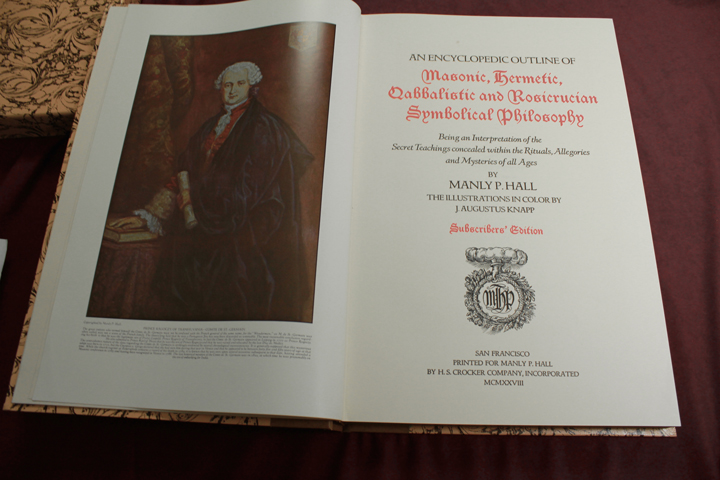
The Secret Teachings of All Ages (Manly P. Hall — Reader’s Edition)
An encyclopedic outline of Masonic, Hermetic, Qabbalistic, and Rosicrucian symbolical philosophy, detailing the rites of ancient mystery schools from Eleusis to the Rose Cross.