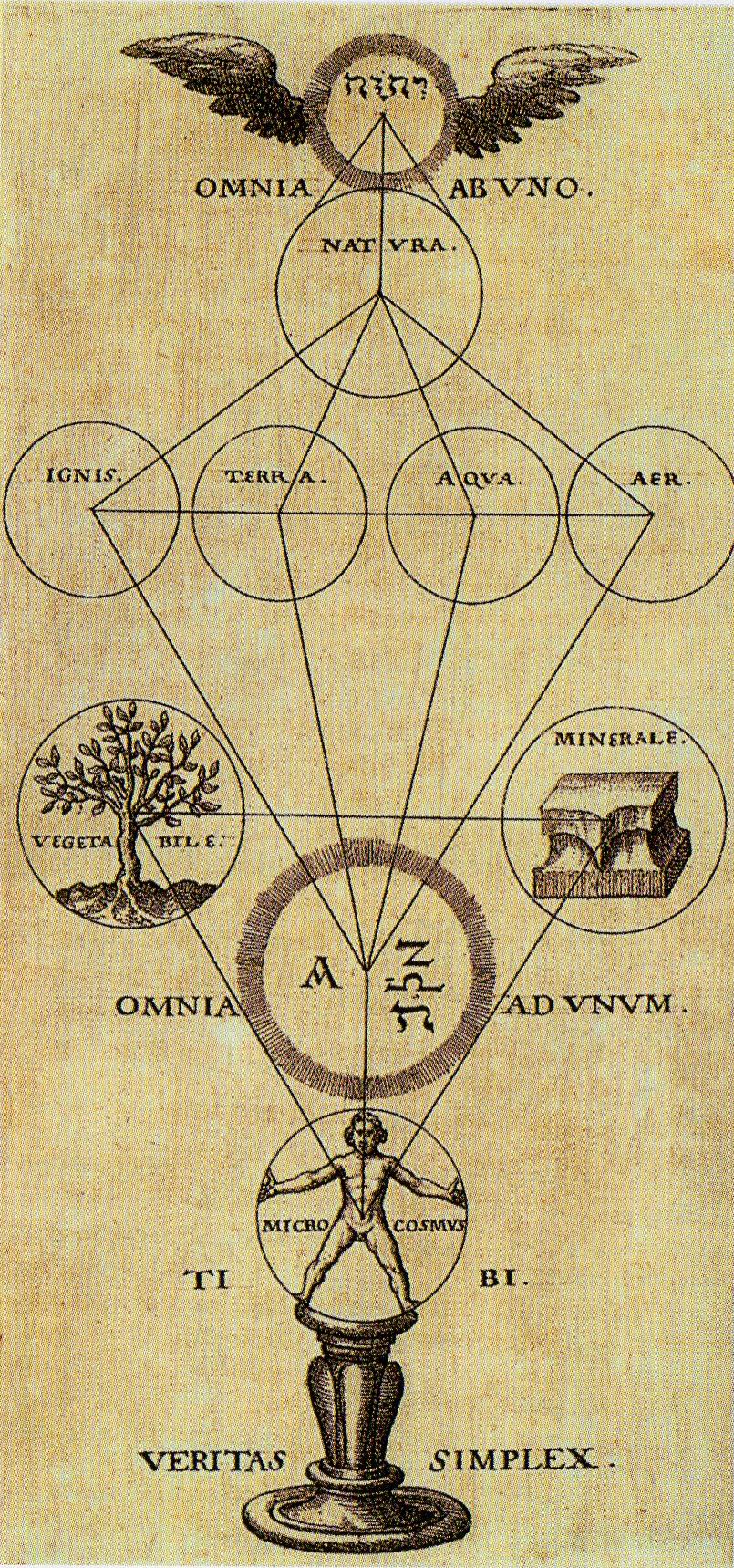
Central to Hermetic Pharmacology is a profound understanding of the sympathy of the physical and spiritual realms. This philosophical framework, rooted in ancient priestcraft, views healing as a holistic process that addresses the individual's spiritual, emotional, and physical dimensions. Hermetic Pharmacology, as a distinct aspect of this tradition, focuses on the use of plant, mineral, and animal compounds to restore balance and harmony to the individual.
Historical & Symbolic Context
Therapeutics, an integral component of Hermetic philosophy, encompasses a range of practices aimed at treating diseases and promoting health. This approach recognizes the intricate web of relationships between the individual, their environment, and the natural world. By acknowledging the role of consciousness, intent, and the spiritual self in the healing process, Therapeutics offers a nuanced understanding of the complex interplay between physical and spiritual factors.
The figure of Hippocrates, widely regarded as the father of modern medicine, represents a pivotal moment in the evolution of holistic healing. While Hippocrates is not considered the original founder of the healing art, his contributions to the field were instrumental in establishing medicine as a distinct and empirical science. By separating the healing art from other scholarly disciplines, Hippocrates laid the groundwork for the development of modern medical practice. However, this separation also marked a departure from the Hermetic tradition, which had previously integrated healing with other spiritual and philosophical pursuits.
The revival of Hermetic philosophy during the Middle Ages, courtesy of Theophrastus of Hohenheim (Paracelsus), saw a renewed emphasis on the integration of spiritual and physical approaches to healing. Paracelsus's work built upon the foundations laid by ancient doctors, who had controlled the healing art within the temple sciences. The transmission of knowledge from gypsies, renowned for their understanding of simples and magical practices, further enriched Paracelsus's approach to Therapeutics.
The relationships between these key figures and concepts reveal a complex narrative of influence and exchange. Hippocrates's separation of the healing art from other disciplines, for instance, contrasts with the Hermetic tradition's emphasis on integration. Theophrastus's revival of Hermetic philosophy, meanwhile, demonstrates the ongoing relevance of this holistic approach to healing.
The synthesis of Hermetic Pharmacology and Therapeutics offers a profound understanding of the sympathy of physical and spiritual realms. By acknowledging the intricate web of relationships between the individual, their environment, and the natural world, this philosophical framework provides a nuanced approach to wellness that honors the complexity of the human experience.
Key Takeaways
* Hermetic Pharmacology and Therapeutics represent a holistic approach to healing that integrates spiritual and physical dimensions. * The evolution of holistic healing is marked by the contributions of key figures, including Hippocrates and Theophrastus of Hohenheim (Paracelsus). * The relationships between these figures and concepts reveal a complex narrative of influence and exchange, demonstrating the ongoing relevance of Hermetic philosophy to modern medicine and wellness practices.
Bibliographia & Fontes
Primary Source Books Used in This Article
The doctrines, historical citations, and symbolic correspondences synthesized in this article are drawn from the following primary works and chapters:
- I.Manly P. Hall, The Secret Teachings of All Ages1928
An Encyclopedic Outline of Masonic, Hermetic, Qabbalistic and Rosicrucian Symbolical Philosophy
Chapters / Sections Consulted:Ch. “Hermetic Pharmacology, Chemistry, and Therapeutics”
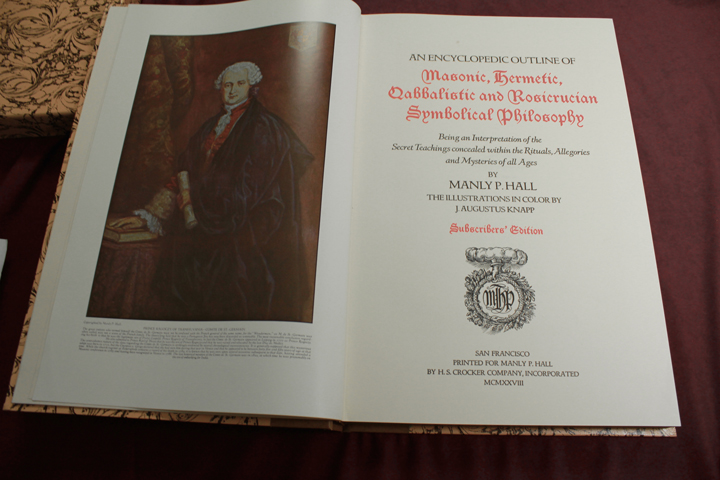
The Secret Teachings of All Ages (Manly P. Hall — Reader’s Edition)
An encyclopedic outline of Masonic, Hermetic, Qabbalistic, and Rosicrucian symbolical philosophy, detailing the rites of ancient mystery schools from Eleusis to the Rose Cross.