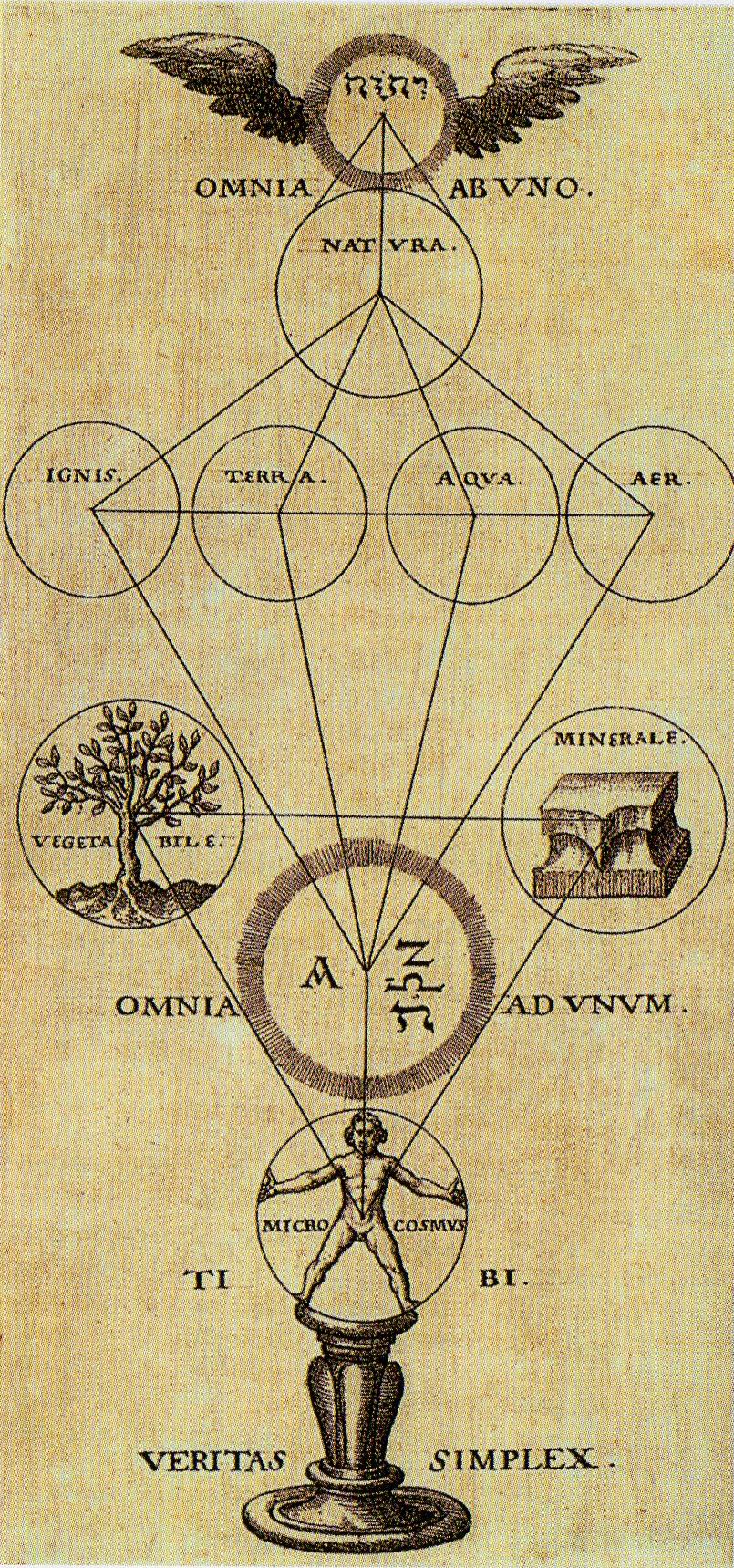
The doctrine of Theseus encompasses esoteric entities, relationships, and philosophical concepts. Through a thorough analysis of the surviving literature points, this synthesis aims to disclose the underlying mystical and philosophical threads that weave together the works and ideas of prominent figures such as Michael Maier, John Heydon, Eugenius Philalethes, and Count de Gabalis. By examining the relationships between these figures and symbols, we will distill the core principles and symbolism that underpin the Rosicrucian ideology and its associated philosophical and alchemical traditions.
The Rosicrucian Nexus
Central to this hermetic lineage is the Rosicrucian ideology, a philosophical and spiritual movement that sought to integrate empirical science with mystical and occult practices. Michael Maier, a 16th-17th century German physician, alchemist, and writer, played a significant role in defending the brotherhood and highlighting their philosophical and scientific pursuits. His work, along with that of John Heydon, Eugenius Philalethes, and Count de Gabalis, forms a nexus of ideas that underpin the Rosicrucian ideology.
The Lineage of Immaculate Conceptions
Count de Gabalis's concept of immaculate conceptions involving human beings and elementals serves as a crucial thread in this synthesis. The figures of Hercules, Achilles, Æneas, Theseus, Melchizedek, Merlin the Magician, and the divine Plato are all listed as offspring of such unions. This lineage represents a spiritual and philosophical transformation, where the boundaries between human and elemental realms are transcended. The relationships between these figures, as highlighted in the data points, reveal a network of symbolism and ideological connections.
The Wise Man's Crown and the Secretary of Nature
John Heydon's work, The Wise Man's Crown, is a testament to the Rosicrucian adepts and their abilities. Heydon's identification as a "Servant of God" and a "Secretary of Nature" emphasizes his commitment to natural philosophy and spiritual wisdom. His association with the figure of Theseus, who represents spiritual transformation, further solidifies the connections between the Rosicrucian ideology and the pursuit of philosophical and alchemical knowledge.
The Esoteric Synthesis
Through the relationships and entities presented in the Theseus tradition, a rich body of esoteric knowledge and philosophical ideas emerges. The Rosicrucian ideology, with its emphasis on integrating empirical science with mystical and occult practices, serves as a unifying thread. The lineage of immaculate conceptions, the symbolism of the harpies and Anja Helena, and the connections between prominent figures such as Michael Maier, John Heydon, Eugenius Philalethes, and Count de Gabalis all contribute to a deeper understanding of the mystical and philosophical principles that underpin this tradition.
Bibliographia & Fontes
Primary Source Books Used in This Article
The doctrines, historical citations, and symbolic correspondences synthesized in this article are drawn from the following primary works and chapters:
- I.Manly P. Hall, The Secret Teachings of All Ages1928
An Encyclopedic Outline of Masonic, Hermetic, Qabbalistic and Rosicrucian Symbolical Philosophy
Chapters / Sections Consulted:Ch. “Fishes, Insects, Animals, Reptiles and Birds” · Ch. “The Fraternity of the Rose Cross” · Ch. “The Elements and Their Inhabitants” · Ch. “Rosicrucian Doctrines and Tenets”
Further Inquiry in This Cycle
Companion Studies & Disputations
Pursuits of John Heydon
This essay examines the mystical pursuits of John Heydon, a 17th-century English author and alchemist, and his connections to the Rosicrucian movement. By…
Theseus & Hercules: Immaculate Conceptions
By examining the intersections between entities such as Hercules, Achilles, Æneas, Melchizedek, and Merlin the Magician, we will uncover a profound…
Karamelia Prussiae & Lineage Of Thesseus: Rosicrucian Enigma
This essay examines the esoteric domain of Rosicrucianism, exploring the interconnected lives and works of Michael Maier, Karmelika Prussiae (Johann…
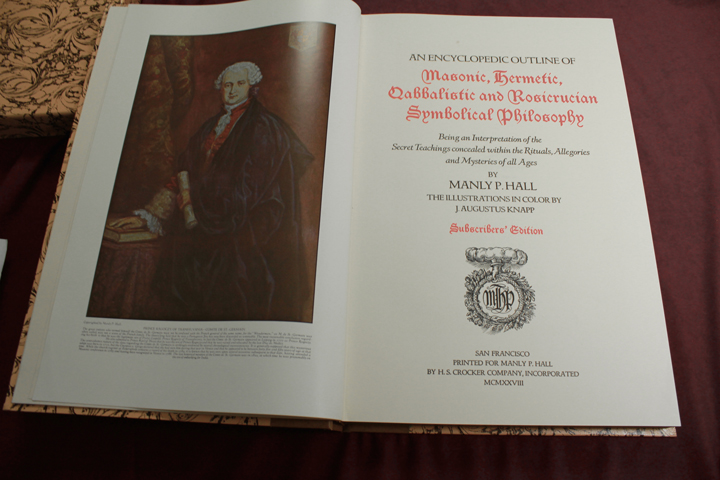
The Secret Teachings of All Ages (Manly P. Hall — Reader’s Edition)
An encyclopedic outline of Masonic, Hermetic, Qabbalistic, and Rosicrucian symbolical philosophy, detailing the rites of ancient mystery schools from Eleusis to the Rose Cross.