By examining the connections between Baconian signatures, Rosicrucian symbols, and related entities, this synthesis aims to uncover the deeper meaning and significance of these esoteric concepts.
Baconian Signatures and Rosicrucian Symbols
The Baconian signature and Rosicrucian symbols are closely bound, sharing a common goal of conveying coded messages and philosophical ideas. The Baconian signature, attributed to Francis Bacon, is a system of encoding messages using a series of symbols, which can be decoded to reveal a hidden message. This method is closely connected to the Rosicrucian ciphers, which are believed to encode spiritual and esoteric knowledge.
The relationship between these two systems extends beyond mere cryptographical techniques; it also involves a shared philosophical and symbolic framework. Both systems are rooted in the belief that complex, layered meanings can be embedded within texts and that knowledge can be safeguarded and disseminated through coded messages. This shared context suggests an overlap in the esoteric and philosophical traditions these symbols represent.
The Hog as a Symbol of Bacon's Name and Work
The hog, a symbol representing Francis Bacon's name and work, is a recurring motif in the classical sources and relationships. The hog is linked to the Baconian signature, and its presence in various contexts, such as the Fallen Funeral and Du Bartas' work, demonstrates the significance of this symbol in Baconian and Rosicrucian symbolism.
The hog symbol is also associated with the Rosicrucian ideals, representing themes of transformation, wisdom, or the synthesis of knowledge. This association highlights the sympathy between Bacon's ideas and the mystical and philosophical beliefs of the Rosicrucian order.
The Fallen Funeral and the Baconian Signature
The Fallen Funeral, a mock funeral ritual, is a significant context in which Baconian symbols, including the hog, appear. This ritual is associated with the Baconian signature, and the use of Rosicrucian symbols in this context suggests a deeper exploration of symbolic meanings and possibly of Bacon's alleged involvement or influence in various ceremonial and symbolic practices related to funerals.
Du Bartas' Work and the Rosicrucian Signature
Du Bartas' work contains the Rosicrucian signature, which is also associated with the entity EMBЛЕМBATA. This signature indicates a connection to the mysterious Rosicrucian order, which is believed to have influenced various philosophical and mystical movements. The presence of the Rosicrucian signature and the emblem within Du Bartas' work collectively suggest a deliberate effort to embed Rosicrucian ideas within his writings, potentially to disseminate or preserve knowledge in a concealed manner.
Bibliographia & Fontes
Primary Source Books Used in This Article
The doctrines, historical citations, and symbolic correspondences synthesized in this article are drawn from the following primary works and chapters:
- I.Manly P. Hall, The Secret Teachings of All Ages1928
An Encyclopedic Outline of Masonic, Hermetic, Qabbalistic and Rosicrucian Symbolical Philosophy
Chapters / Sections Consulted:Ch. “Bacon, Shakspere, and the Rosicrucians”
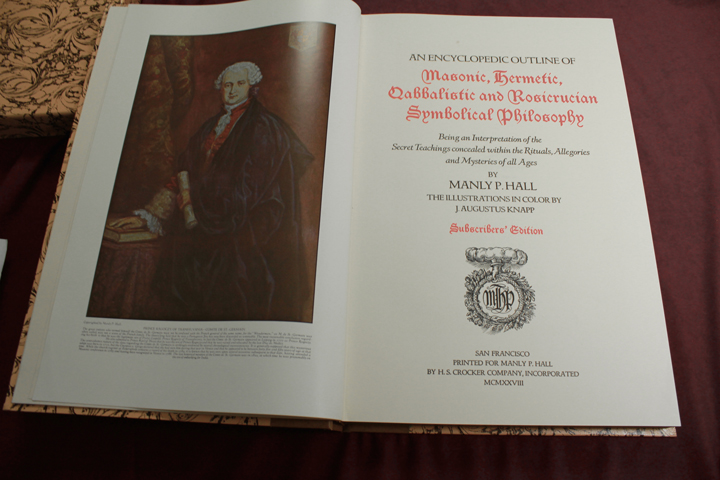
The Secret Teachings of All Ages (Manly P. Hall — Reader’s Edition)
An encyclopedic outline of Masonic, Hermetic, Qabbalistic, and Rosicrucian symbolical philosophy, detailing the rites of ancient mystery schools from Eleusis to the Rose Cross.