In the study of the esoteric data points related to Christ, a central figure in Christian tradition, and explores the mystical and philosophical dimensions of this entity. Through an examination of the relationships between Christ and various concepts, substances, and individuals, this analysis reveals a complex and manifold nature of Christ, encompassing themes of spiritual transformation, redemption, and the cyclical nature of life and death. By unpacking the esoteric significance of Christ, this essay provides insight into the mystical and philosophical underpinnings of Christian tradition.
The Multifaceted Nature of Christ
Christ is a profoundly complex and manifold entity, embodying a range of attributes and symbolism that transcend the boundaries of Christian tradition. As a central figure in Christian faith, Christ is often associated with the teachings of forgiveness through reform and the application of higher laws, opposing mere retribution based on natural laws (CHRIST -> REFORMATION). This emphasis on forgiveness and redemption is further underscored by Christ's role as the Redeemer of the world, the Son of the Father, known as "the Word made Flesh," and the Hope of Glory.
The relationships between Christ and various substances and concepts reveal additional dimensions of this entity. The empty sepulchre and empty tomb, for instance, symbolize Christ's resurrection and the triumph of divine life over death (SEPULCHRE -> CHRIST, EMPTY TOMB -> CHRIST). The mountain top, where Christ faces temptation, represents the spiritual challenges of His mission (MOUNTAIN TOP -> CHRIST). The road to Emmaus, where Christ appears to two of His disciples, signifies the continuation of His mission and teaching (CHRIST -> EMMAUS).
The Dying-God Myth and the Solar Spirit
The myth of the dying-god, a universal concept applicable to both pagan and Christian traditions, is closely tied to the figure of Christ. The Crucifixion of Christ is part of this myth, carrying the same universal symbolism of sacrifice and redemption (MYTH OF DYING-GOD -> CHRIST). This myth is understood as an allegory for wisdom, regeneration, and spiritual enlightenment, critical to religious and philosophical thought (MYTH OF DYING-GOD -> MYSTIC ALLEGORY).
The Solar Spirit, symbolized by the grape and by Christ, is an exoteric representation of the divine enthusiasm that underlies the dying-god myth (SOLAR SPIRIT -> CHRIST). The connection between Christ and the Solar Spirit highlights the esoteric significance of Christ as a powerful spiritual entity, akin to the exoteric Solar Spirit.
Gnostic and Mystical Perspectives
The Gnostic view of Christ's existence and sacrifice emphasizes the idea of His resurrection as a form of simulated resurrection rather than traditional death (SUFFERING AND RESURRECTION -> CHRIST). This perspective demonstrates the mystical and philosophical dimensions of Christ, revealing a complex and manifold nature that transcends the boundaries of traditional Christian theology.
The Oberammergau stone, resembling the face of Christ, is a naturally occurring symbol of divine favor, highlighting the esoteric significance of Christ in mystical and philosophical thought (OBERAMMERGAU STONE -> CHRIST). Irenaeus's statement about the cosmic sacrifice of Christ, as described in "King's Gnostics and Their Remains," further demonstrates the mystical and philosophical dimensions of Christ (IRENAEUS -> CHRIST).
Bibliographia & Fontes
Primary Source Books Used in This Article
The doctrines, historical citations, and symbolic correspondences synthesized in this article are drawn from the following primary works and chapters:
- I.Manly P. Hall, The Secret Teachings of All Ages1928
An Encyclopedic Outline of Masonic, Hermetic, Qabbalistic and Rosicrucian Symbolical Philosophy
Chapters / Sections Consulted:Ch. “Atlantis and the Gods of Antiquity” · Ch. “Stones, Metals, and Gems” · Ch. “Flowers, Plants, Fruits, and Trees” · Ch. “The Cross and the Crucifixion” · Ch. “The Ancient Mysteries and Secret Societies (Part II)” - II.Max Heindel, The Rosicrucian Mysteries: An Elementary Exposition of Their Secret Teachings1911
The Rosicrucian Fellowship
- III.Éliphas Lévi, Transcendental Magic: Its Doctrine and Ritual (Dogme et Rituel de la Haute Magie)1856 / 1896 trans.
Translated and Annotated by A. E. Waite
Chapters / Sections Consulted:Part II: The Ritual of Transcendental Magic
Further Inquiry in This Cycle
Companion Studies & Disputations
The Esoteric Significance of Christ
This essay examines the esoteric dimensions of Christ, exploring the manifold nature of this central figure in Christian tradition. Through an examination…
Myth Of Dying-god & Mystic Allegory: The Dying-God Paradigm
The the Myth Of Dying-god tradition dataset offers a profound exploration of the dying-god myth, a universal concept bridging pagan and Christian…
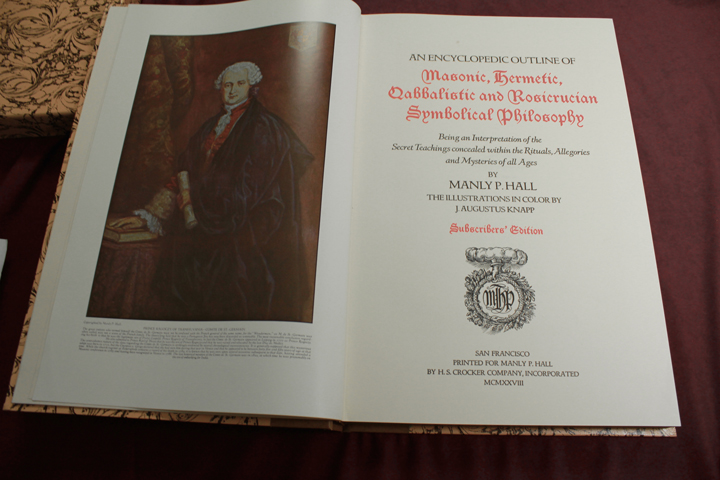
The Secret Teachings of All Ages (Manly P. Hall — Reader’s Edition)
An encyclopedic outline of Masonic, Hermetic, Qabbalistic, and Rosicrucian symbolical philosophy, detailing the rites of ancient mystery schools from Eleusis to the Rose Cross.