The synthesis reveals a profound philosophy that weaves together architectural, social, and metaphysical dimensions, offering insights into the nature of human relationships, societal norms, and the eternal pursuit of harmony.
The Interconnected Web of Civilisation and Propriety
Central to this philosophical framework is the concept of civilisation, which is inextricably linked to propriety. Civilisation, represented by social norms, well-conducted relations, and noble demeanour, is the foundation upon which propriety is built. Propriety, in turn, encompasses both architectural and social dimensions, emphasizing the importance of adhering to established norms and principles in interactions. The relationships between civilisation, propriety, and metier (one's trade or profession) highlight the significance of good conduct, skill, and craftsmanship in maintaining a well-ordered society.
The connections between civilisation, aristocracy, and bounty further demonstrate the importance of generosity, provision, and social standing in shaping human relationships. The desire for possession, inheritance, and legacy, however, can sometimes lead to strong attachments and material concerns, which must be balanced with the pursuit of harmony and mutual understanding. The relationships between affinity, matrimony, and civilisation demonstrate the sympathy of socially harmonious relations, mutual agreement, and the importance of compatibility in relationships.
The Role of Architecture and Symbolism
The ancient Greek architectural orders (Doric, Corinthian, and Ionic) play a significant role in this philosophical framework, symbolizing different attributes and values. The use of these orders in temples and other structures reflects the importance of propriety in architectural design, as well as the connection between divine attributes and human creations. The Dionysiac craftsmen, with their emphasis on geometric patterns and celestial constellations, embody the principles of propriety and good conduct in their work.
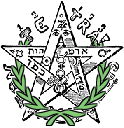
The presence of Rosicrucian and Masonic emblems in cathedral carvings suggests a continuity of ancient architectural principles and practices, as well as a possible overlap or influence between different esoteric traditions. The Temple of Solomon, a symbol of the House of Everlasting Light, serves as a bridge between the physical and metaphysical realms, representing the collective expression of light, glory, and truth.
The Quest for Harmony and Balance
Throughout this philosophical framework, the pursuit of harmony and balance is a recurring theme. The relationships between social harmony, affinity, and civilisation highlight the importance of mutual understanding and agreement in human interactions. The desire for possession, inheritance, and legacy must be balanced with the pursuit of harmony and mutual understanding, lest it lead to strong attachments and material concerns that can disrupt social equilibrium.
The concept of restoration, which represents a beneficial return to a good state, is closely linked to civilisation and aristocracy, emphasizing the importance of maintaining a high standard of conduct and proficiency. The probability of satisfaction, which implies a good state in the future, is closely tied to civilisation, suggesting that a well-ordered society is one that actively pursues harmony and balance in all aspects of life.
This philosophical framework offers a profound synthesis of the interconnected web of civilisation, propriety, and the quest for harmony. The eternal pursuit of harmony and balance is a recurring theme throughout this framework, demonstrating the significance of mutual understanding, agreement, and compatibility in shaping human relationships and societal norms.
Bibliographia & Fontes
Primary Source Books Used in This Article
The doctrines, historical citations, and symbolic correspondences synthesized in this article are drawn from the following primary works and chapters:
- I.Manly P. Hall, The Secret Teachings of All Ages1928
An Encyclopedic Outline of Masonic, Hermetic, Qabbalistic and Rosicrucian Symbolical Philosophy
Chapters / Sections Consulted:Ch. “Freemasonic Symbolism” - II.A. E. Thierens, The General Book of the Tarot1930
Containing the Astrological Key to the Esoteric Tradition of the Greater and Lesser Arcana (Intro. by A. E. Waite)
Further Inquiry in This Cycle
Companion Studies & Disputations
Affinity & Matrimony: "Interconnected Bonds
Through a synthesis of these figures and symbols, this analysis reveals a deeper understanding of the significance of positive interpersonal connections…
Civilisation, Aristocracy, and Restoration
This essay explores the philosophical connections between four key concepts: Civilisation, Aristocracy, Restoration, and Probability of Satisfaction. Our…
The Interplay of Metier, Bounty, and Desire for Possession
Through a nuanced analysis of these concepts and their correspondences, we uncover a rich body of themes that reveal the complex dynamics of professional…
The Harmonious Synthesis of Architectural and Social Propriety
The doctrine of Dionysiac Craftsmen encompasses esoteric concepts, entities, and relationships that reveal a profound synthesis of architectural and social…
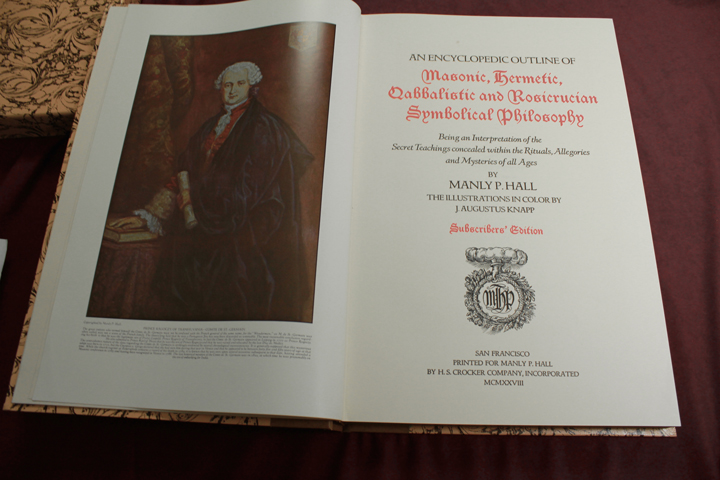
The Secret Teachings of All Ages (Manly P. Hall — Reader’s Edition)
An encyclopedic outline of Masonic, Hermetic, Qabbalistic, and Rosicrucian symbolical philosophy, detailing the rites of ancient mystery schools from Eleusis to the Rose Cross.