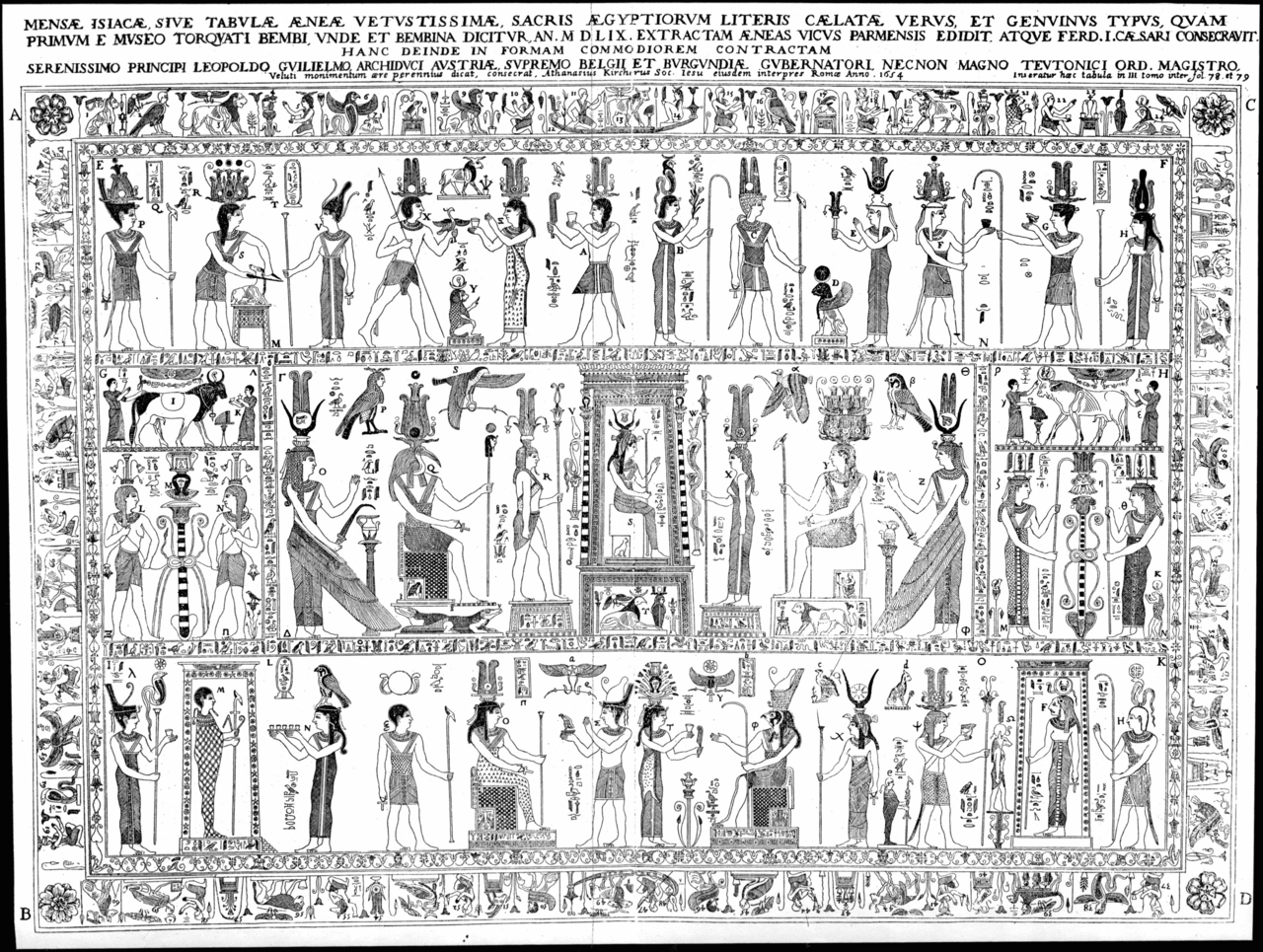
By examining the various concepts, entities, and lineages associated with the Sun, we will trace the mystical and philosophical tapestry that underscores its importance in human spirituality, daily life, and the understanding of the cosmos.
The Solar Entity
Central to the solar tapestry is the Sun itself, a powerful symbol of vitality, warmth, and divine authority. As a manifold entity, the Sun embodies both metaphysical and practical meanings, reflecting its profound influence on human spirituality, daily life, and the understanding of the cosmos. Its astrological significance, linked to the fifth house and the element of fire, symbolizes the heart of the solar system and ruling the fifth sign, Leo.
Celestial Cycles and the Four Seasons
The Sun's cycle through the seasons symbolizes the life cycle, from birth to death and rebirth. The four seasons – spring, summer, autumn, and winter – reflect the broader life cycle, marking stages from birth to death and subsequent rebirth. Each season brings its unique characteristics and influences, highlighting the continuous and renewing process inherent in nature.
Lineages and Rituals
The Sun is closely associated with various lineages, including the mind-heart, human head, and Isaac. These lineages emphasize the intellectual and spiritual dimensions of human consciousness, highlighting the Sun's role in governing the mind and heart. The ritual of Orders consecrating the priesthood is also marked by the characters of the Sun, signifying a spiritual consecration and the transmission of divine light.
Mythological and Cultural Significance
The Sun's mythological and cultural significance is underscored by its association with various deities, such as Dionysos, Bacchus, and Ammon. These associations highlight the Sun's role in symbolizing the soul of the mundane sphere and its infinite multiplicity of forms and designations. The Egyptians, in particular, revered the Sun as a symbol of immortality, reflecting its central importance in their belief system.
Cosmic Dust and the Insignificance of Human Existence
The Sun's significance is also juxtaposed with the concept of cosmic dust, a metaphor for the insignificance of human existence in relation to the cosmos. This contrast highlights the Sun's role in demonstrating the fragility and impermanence of human existence, while also emphasizing its importance in the grand compendium of the cosmos.
Bibliographia & Fontes
Primary Source Books Used in This Article
The doctrines, historical citations, and symbolic correspondences synthesized in this article are drawn from the following primary works and chapters:
- I.Manly P. Hall, The Secret Teachings of All Ages1928
An Encyclopedic Outline of Masonic, Hermetic, Qabbalistic and Rosicrucian Symbolical Philosophy
Chapters / Sections Consulted:Ch. “The Sun, a Universal Deity” · Ch. “The Hiramic Legend” · Ch. “The Qabbalah, the Secret Doctrine of Israel” · Ch. “Conclusion” · Ch. “Stones, Metals, and Gems” · Ch. “The Pythagorean Theory of Music and Color” - II.Éliphas Lévi, Transcendental Magic: Its Doctrine and Ritual (Dogme et Rituel de la Haute Magie)1856 / 1896 trans.
Translated and Annotated by A. E. Waite
Chapters / Sections Consulted:Part II: The Ritual of Transcendental Magic - III.Franz Hartmann, In the Pronaos of the Temple of Wisdom / Philosophy of the Rosicrucians and Alchemists1890
Containing the History of the True and the False Rosicrucians and the Principles of Alchemy
- IV.A. E. Thierens, The General Book of the Tarot1930
Containing the Astrological Key to the Esoteric Tradition of the Greater and Lesser Arcana (Intro. by A. E. Waite)
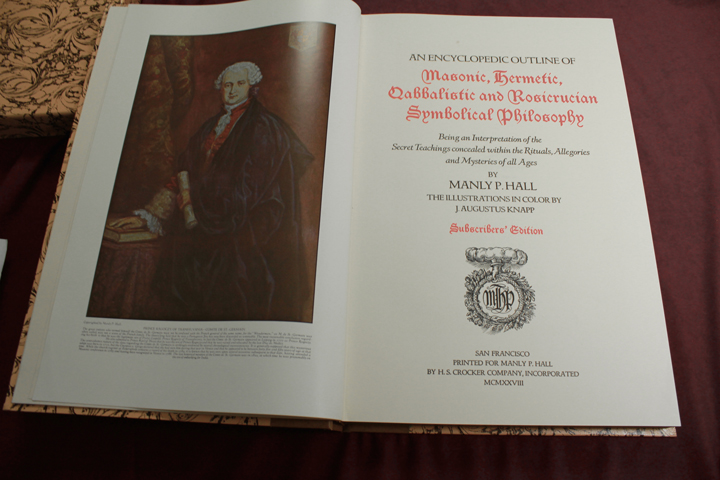
The Secret Teachings of All Ages (Manly P. Hall — Reader’s Edition)
An encyclopedic outline of Masonic, Hermetic, Qabbalistic, and Rosicrucian symbolical philosophy, detailing the rites of ancient mystery schools from Eleusis to the Rose Cross.