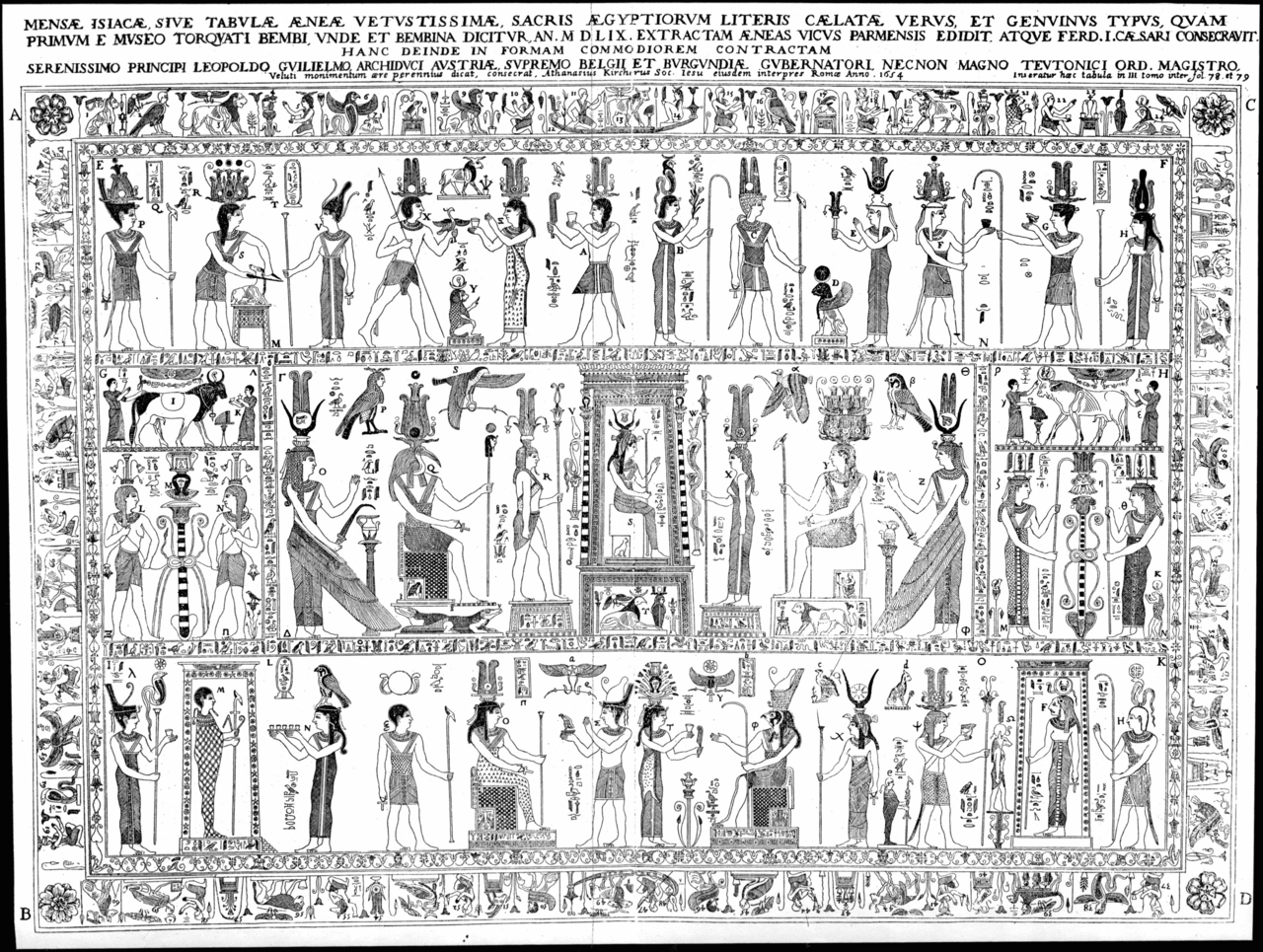
The Scarab, a symbol deeply rooted in philosophical and religious traditions, embodies the process of regeneration and rebirth. Through its connections to various cultural and spiritual contexts, the Scarab reveals a rich body of themes, including transmutation, perfection, and the eternal cycle of creation and resurrection.
The Scarab: A Symbol of Regeneration and Rebirth
The Scarab, as a symbol, represents the process of regeneration and rebirth, deeply rooted in various cultural and spiritual contexts. Its connection to the Beetle, a creature symbolizing eternal life, demonstrates the Scarab's role in signifying the eternal cycle of creation and resurrection. This association is further reinforced by the Scarab's relationship with Ra, the Egyptian sun god, who is often symbolized by the head of a scarab. Ra's multiple aspects, including Khepera, reflect his complex nature, with each aspect representing different stages of the sun's journey and the life cycle it symbolizes.
Khepera and the Resurrection of the Soul
Khepera, as a form of Ra, embodies the idea of resurrection and new life, symbolized by the Scarab beetle. This association highlights the Scarab's role in signifying the process of regeneration and rebirth. Khepera's depiction as rolling the sun across the sky further demonstrates the Scarab's connection to the natural phenomenon of the sun and its significance in ancient Egyptian religion.
The Royal Egyptian Scarab: A Symbol of Power and Significance
The Royal Egyptian Scarab, a specific type of Stone Scarab, was often adorned with inscriptions that conveyed information about the related dynasty or king. This demonstrates the widespread use and cultural importance of the Scarab amulet in ancient Egypt. The diversity in materials used to craft Royal Scarabs, ranging from precious stones to more ordinary materials, highlights the adaptability and significance of the Scarab symbol.
Wings and the Soul: A Symbolic Connection
The wings of the Scarab beetle have a symbolic meaning, representing the soul hidden within an earthly shell. This connection highlights the Scarab's role in signifying the eternal cycle of creation and resurrection, where the soul is transformed and reborn.
The Manticora: A Mythical Counterpoint
While the Manticora is associated with creation and destruction, its mythical and non-existent nature sets it apart from the Scarab. The Manticora's role in medieval and ancient texts as a flame-colored, lion-like creature with multiple rows of human-like teeth and scorpion-like stingers serves as a counterpoint to the Scarab's symbolism, demonstrating the complexities and nuances of the Scarab's significance.
Bibliographia & Fontes
Primary Source Books Used in This Article
The doctrines, historical citations, and symbolic correspondences synthesized in this article are drawn from the following primary works and chapters:
- I.Manly P. Hall, The Secret Teachings of All Ages1928
An Encyclopedic Outline of Masonic, Hermetic, Qabbalistic and Rosicrucian Symbolical Philosophy
Chapters / Sections Consulted:Ch. “Fishes, Insects, Animals, Reptiles and Birds”
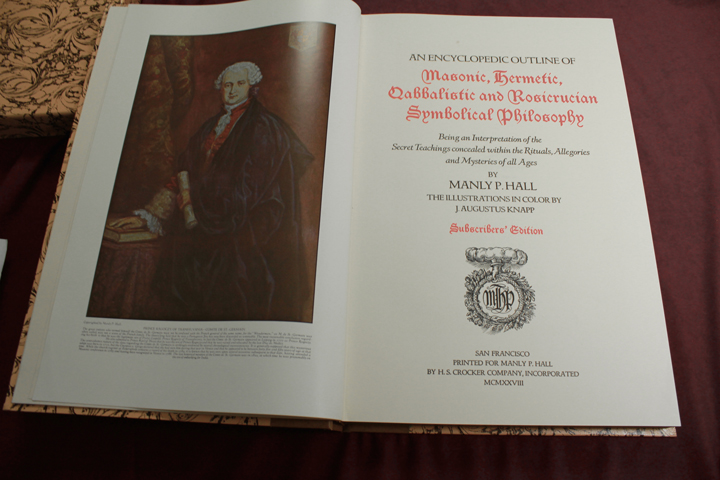
The Secret Teachings of All Ages (Manly P. Hall — Reader’s Edition)
An encyclopedic outline of Masonic, Hermetic, Qabbalistic, and Rosicrucian symbolical philosophy, detailing the rites of ancient mystery schools from Eleusis to the Rose Cross.