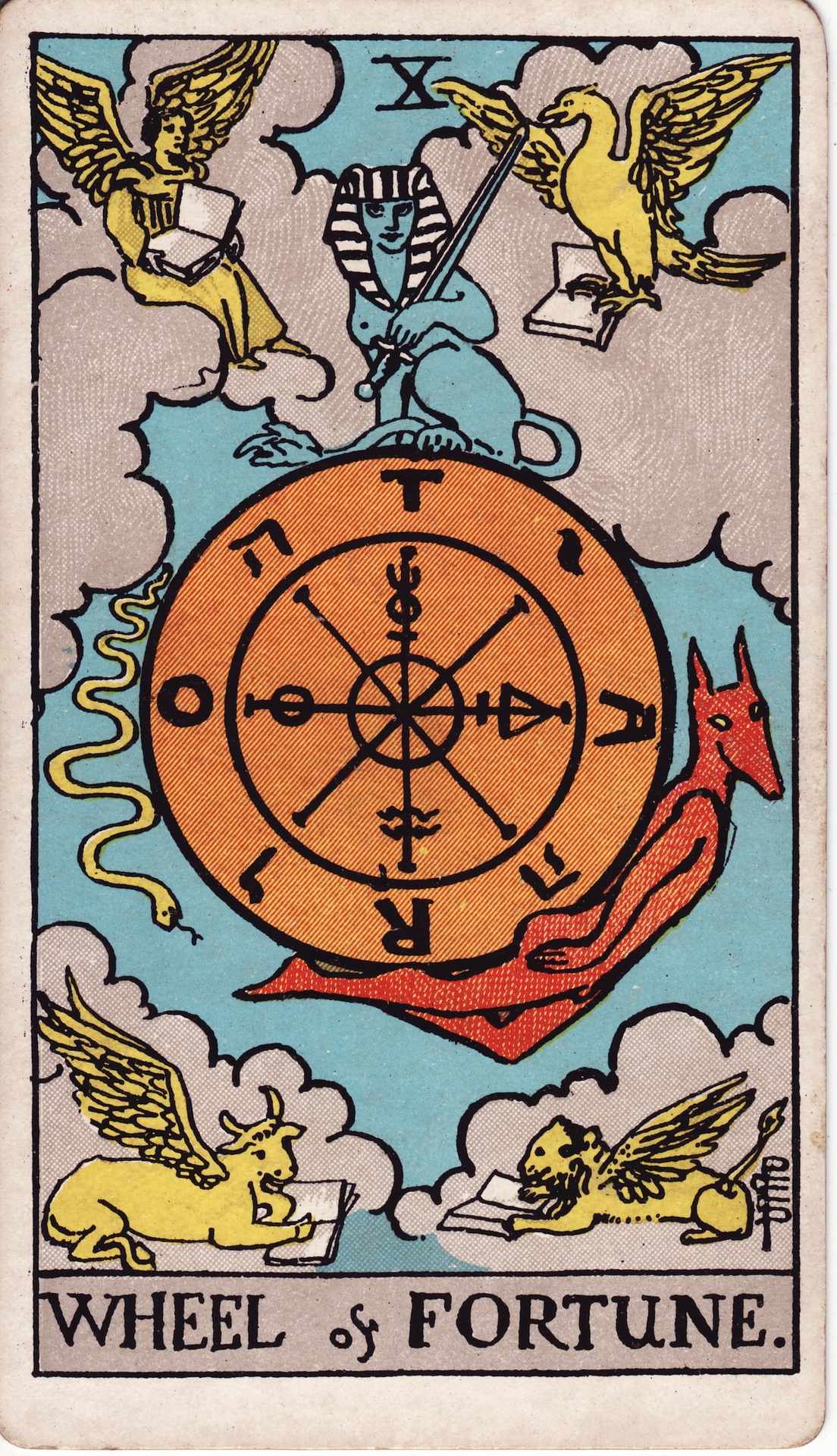
Through a detailed analysis of the classical sources and relationships, this synthesis reveals the underlying philosophical themes and connections that govern the interactions between magical tools, concepts, and ideas.
The Multifaceted Nature of Power and Transformation
The SWORD, WAND, and MAGICAL DAGGER are all integral components of magical practices, each with its unique significance and role. The SWORD represents force, action, and decisive moments, while the WAND symbolizes the transfer of messages from the Ether and intellectual influence. The MAGICAL DAGGER, on the other hand, is employed in rituals, emphasizing its importance in magical operations. The relationships between these figures and symbols highlight the sympathy of different traditions and their shared goal of harnessing spiritual power through physical means.
The SEVEN OF SWORDS and EIGHT OF SWORDS, as concepts, are closely tied to the practical and material use of tools and techniques, often leading to situations of fatality or physical constraints. The connection between these concepts and the SWORD, SLAYING, and FATALITY attests to the necessity of navigating material and spiritual realms in pursuit of transformation and growth.
The Balance of Truth and Justice
The SCALES, as a symbol of Truth, play a essential part in upholding justice and impartially assessing various situations or individuals. The relationship between the SCALES and the SWORD highlights the dual nature of justice, where the SCALES weigh and assess, while the SWORD enforces and executes. This balance is essential in maintaining the integrity of the spiritual realm and ensuring that only those deemed truly pure and balanced in their spirits are consecrated in the sacred union.
The Path to Eternity
The PATH_TO_ETERNITY represents the journey of a person towards understanding the ultimate end or truth. The connections between this concept and the SCALES, SWORD, and other entities emphasize the importance of navigating the complex web of power, transformation, and truth in pursuit of eternal understanding. The use of the SWORD to enforce justice is part of this journey, as is the weighing and assessing of truths through the SCALES.
Bibliographia & Fontes
Primary Source Books Used in This Article
The doctrines, historical citations, and symbolic correspondences synthesized in this article are drawn from the following primary works and chapters:
- I.Éliphas Lévi, Transcendental Magic: Its Doctrine and Ritual (Dogme et Rituel de la Haute Magie)1856 / 1896 trans.
Translated and Annotated by A. E. Waite
Chapters / Sections Consulted:Part II: The Ritual of Transcendental Magic - II.A. E. Thierens, The General Book of the Tarot1930
Containing the Astrological Key to the Esoteric Tradition of the Greater and Lesser Arcana (Intro. by A. E. Waite)
- III.P. D. Ouspensky, The Symbolism of the Tarot: Philosophy of Occultism in Pictures and Numbers1913
Translated by A. L. Pogossky
- IV.Franz Hartmann, In the Pronaos of the Temple of Wisdom / Philosophy of the Rosicrucians and Alchemists1890
Containing the History of the True and the False Rosicrucians and the Principles of Alchemy
Further Inquiry in This Cycle
Companion Studies & Disputations
Eight Of Swords: The Paradox of Material Constraints
Through a close examination of the entities and their correspondences, we will trace the paradox of material constraints, revealing the complex dynamics of…
Wand: The Ritual Dynamics of Magical Instruments
The the Wand tradition data points reveal a network of relationships between magical instruments, specifically the Wand, Magical Dagger, Magical Sword, and…
Sword, Scales & Path_to_eternity in Hermeticism
By examining the intersections between the SWORD, Magical Wands, Magical Lamp, Scales, and the Path to Eternity, we uncover a rich body of ideas that…
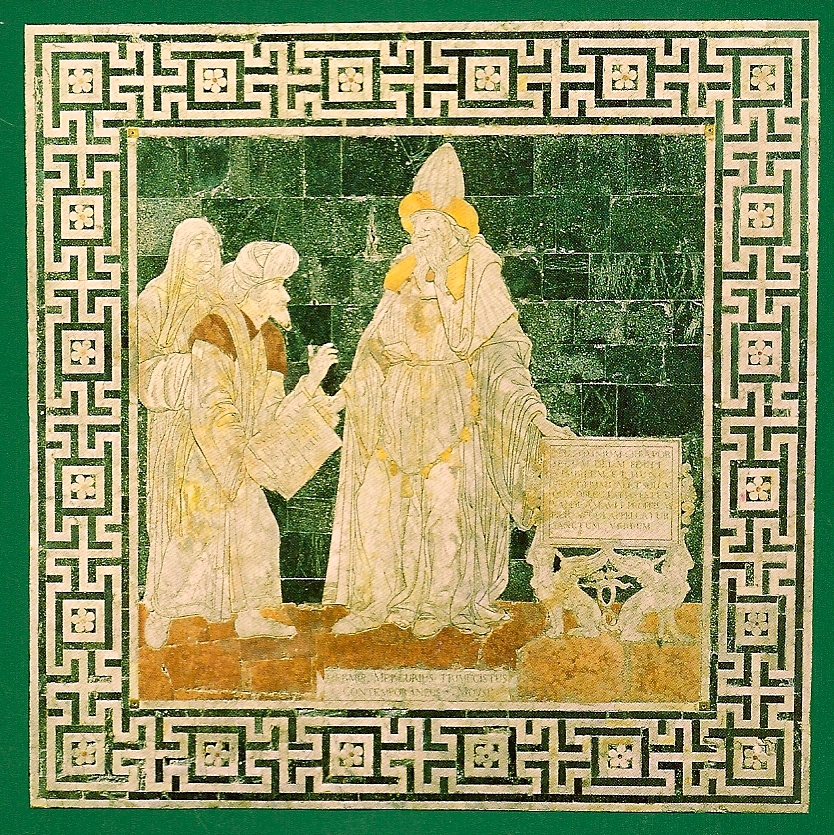
Corpus Hermeticum & Asclepius (Copenhaver Critical Edition)
The definitive scholarly translation of the Greek and Latin Hermetica attributed to Hermes Trismegistus, foundational to Renaissance Neoplatonism and Western esotericism.