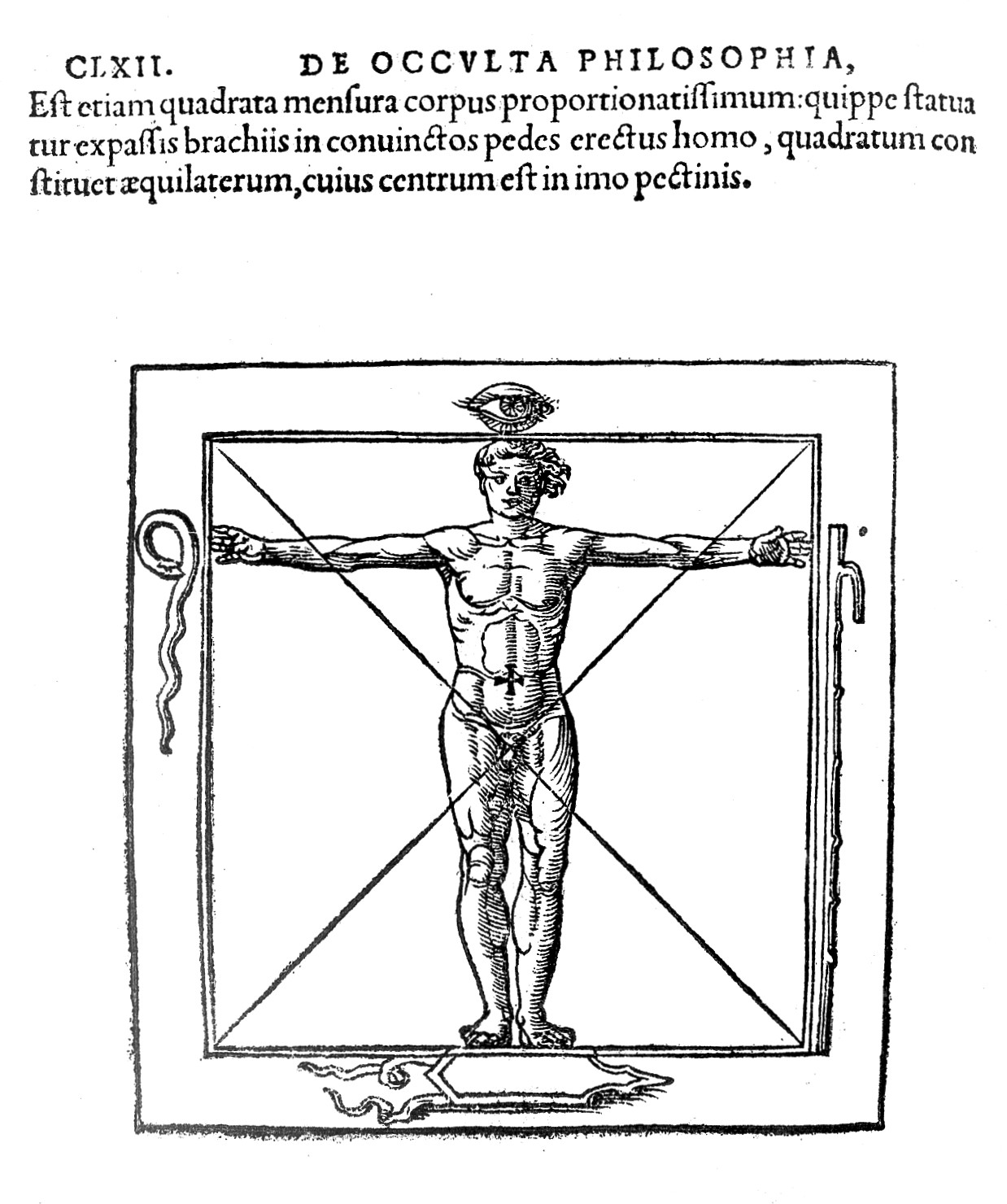
By examining the relationships between key entities, including the Sign of Solomon, Satanic Signature, Omnipotence of the Magus, and Magical Works, this analysis reveals a network of ideas that shed light on the nature of power, control, and the human condition.
The Sign of Solomon: A Beacon of Order
Central to this hermetic lineage is the Sign of Solomon, a mystical symbol invoked to restrain and control rebellious spirits. As a six-pointed star composed of two superimposed triangles, this talisman is often used in magical and protective rituals to ward off malevolent forces and bring about tranquility. The Sign of Solomon serves as a beacon of order, a potent reminder of the power of balance and harmony in a chaotic world.
The Satanic Signature: A Counterpoint to Order
In contrast to the Sign of Solomon, the Satanic Signature represents chaos, madness, or rebellion, embodying the antithesis of Christ's divinity and order. This concept serves as a counterpoint to the Sign of Solomon, highlighting the tension between light and darkness, good and evil. The Satanic Signature is a reminder that the forces of chaos are ever-present, seeking to disrupt the balance of order.
The Omnipotence of the Magus: A Concept of Miraculous Power
The Omnipotence of the Magus represents the potential for a Magus to perform miracles and control natural forces. This concept is central to the idea of Magical Works, which involves the execution of supernatural feats through the application of knowledge and will. The Omnipotence of the Magus highlights the human capacity for self-transcendence and the pursuit of extraordinary abilities.
Magical Works: The Intersection of Knowledge and Will
Magical Works are the execution of supernatural feats through the application of knowledge and will. This concept is closely tied to the Omnipotence of the Magus, as well as the Signature of Lucifer, which represents various negative effects, such as witchcraft, perversity, and madness. The Five-Pointed Blazing Star, or the Seal of Solomon, is also used in Magical Works to control spirits. This intersection of knowledge and will highlights the complex dynamics of magical forces, where the boundaries between good and evil are constantly blurred.
Blind Forces: A Contrast to Magical Works
Blind forces are a concept representing forces acting without wisdom or knowledge. This idea serves as a contrast to Magical Works, which involves the deliberate application of knowledge and will. The juxtaposition of Blind forces and Magical Works highlights the difference between unguided, instinctual forces and the intentional, willed actions of the Magus.
Bibliographia & Fontes
Primary Source Books Used in This Article
The doctrines, historical citations, and symbolic correspondences synthesized in this article are drawn from the following primary works and chapters:
- I.Éliphas Lévi, Transcendental Magic: Its Doctrine and Ritual (Dogme et Rituel de la Haute Magie)1856 / 1896 trans.
Translated and Annotated by A. E. Waite
Chapters / Sections Consulted:Part II: The Ritual of Transcendental Magic
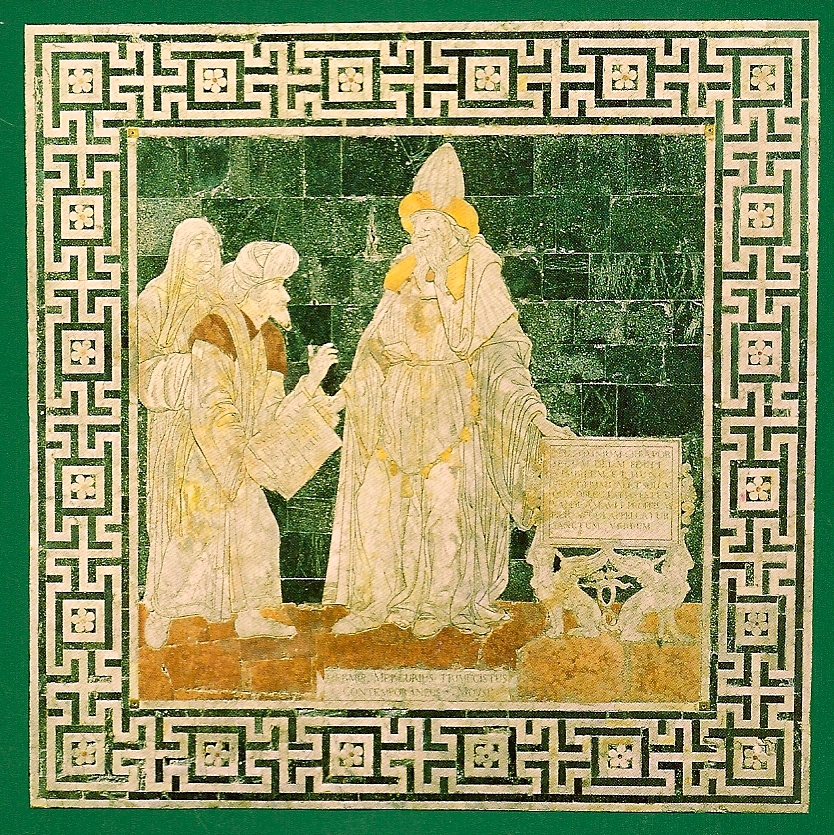
Corpus Hermeticum & Asclepius (Copenhaver Critical Edition)
The definitive scholarly translation of the Greek and Latin Hermetica attributed to Hermes Trismegistus, foundational to Renaissance Neoplatonism and Western esotericism.