The doctrine of Jod encompasses esoteric symbolism, weaving together concepts from kabalistic and Gnostic traditions. At its core, this tradition revolves around the interplay between masculine and feminine principles, embodied by the JOD, PHALLOS, CTEIS, and STAUROS. Through a nuanced analysis of these figures and symbols and their relationships, this essay will examine the philosophical underpinnings of this hermetic lineage, revealing a profound exploration of creation, duality, and the harmonization of opposites.
The Tetragram of JOD: A Keystone of Creation
JOD, as a tetragram symbol, occupies a central position within this esoteric current's symbolic landscape. Its manifold nature encompasses the kabalistic phallus, a signifier of both division and multiplication, while also representing the paternal scepter associated with Noah. This dual significance underscores JOD's role in bridging the realms of the divine and the ancestral. As part of a triad and a mother-letter element, JOD embodies the creative power and divine fecundity inherent to the Divine Name. This manifold nature of JOD serves as a foundation for the community's exploration of creation and the interplay between masculine and feminine principles.
The Ritualistic Interplay of PHALLOS and CTEIS
The PHALLOS, as a male phallic symbol, and the CTEIS, as a symbolic cavern, engage in a ritualistic dance, representing the merging of masculine and feminine energies. This union is a fundamental aspect of Gnostic rituals, as exemplified by the STAUROS, which requires the presence of both PHALLOS and CTEIS to form. This harmonization of opposites demonstrates the community's emphasis on the balance and interdependence of masculine and feminine principles in the creative process.
The Role of the WIFE: Embodiment of the Passive Principle
The WIFE, as a term denoting the female spouse, assumes a significant role in the relationships indicated by the card. She embodies the passive principle of creation and fructification, highlighting her essential role in the partnership. This characterization of the WIFE resonates with the CTEIS, which represents the receptive and void aspects of creation. The interplay between the WIFE and the PHALLOS, as embodied by the JOD, demonstrates the community's recognition of the feminine principle as a necessary and complementary aspect of the creative process.
The STAUROS: A Symbol of Harmonized Duality
The STAUROS, a Gnostic symbol created by the intersection of the PHALLOS and CTEIS, serves as a powerful representation of the harmonization of opposites. This symbol embodies the community's philosophical exploration of duality, highlighting the interdependence and balance between masculine and feminine principles. The STAUROS requires the presence of both PHALLOS and CTEIS to form, demonstrating the community's emphasis on the integration of opposites in the creative process.
Bibliographia & Fontes
Primary Source Books Used in This Article
The doctrines, historical citations, and symbolic correspondences synthesized in this article are drawn from the following primary works and chapters:
- I.Éliphas Lévi, Transcendental Magic: Its Doctrine and Ritual (Dogme et Rituel de la Haute Magie)1856 / 1896 trans.
Translated and Annotated by A. E. Waite
Chapters / Sections Consulted:Part I: The Doctrine of Transcendental Magic
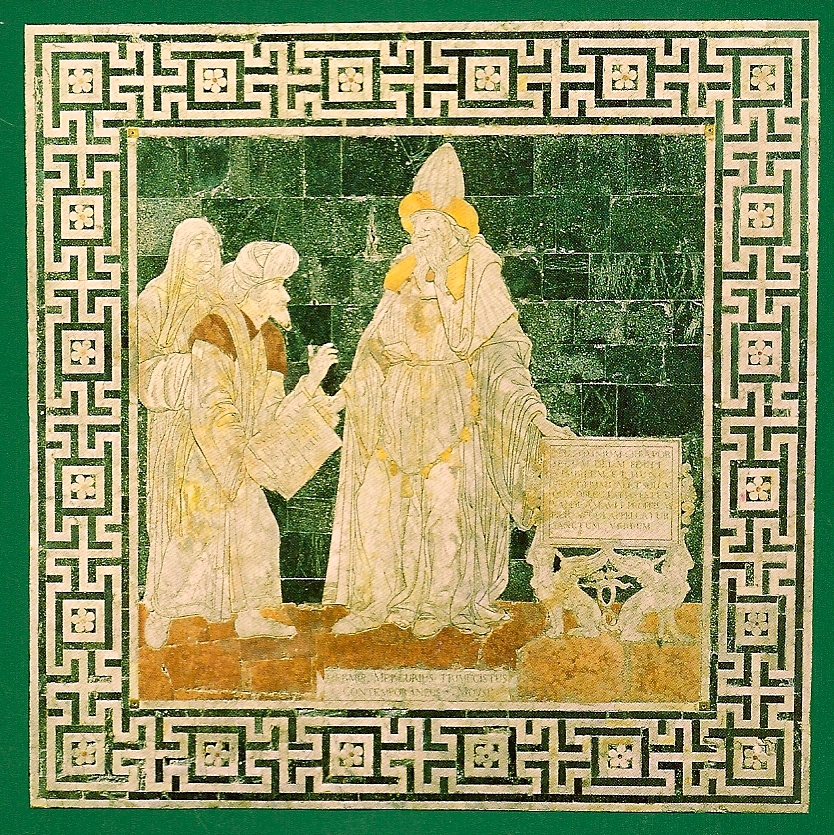
Corpus Hermeticum & Asclepius (Copenhaver Critical Edition)
The definitive scholarly translation of the Greek and Latin Hermetica attributed to Hermes Trismegistus, foundational to Renaissance Neoplatonism and Western esotericism.