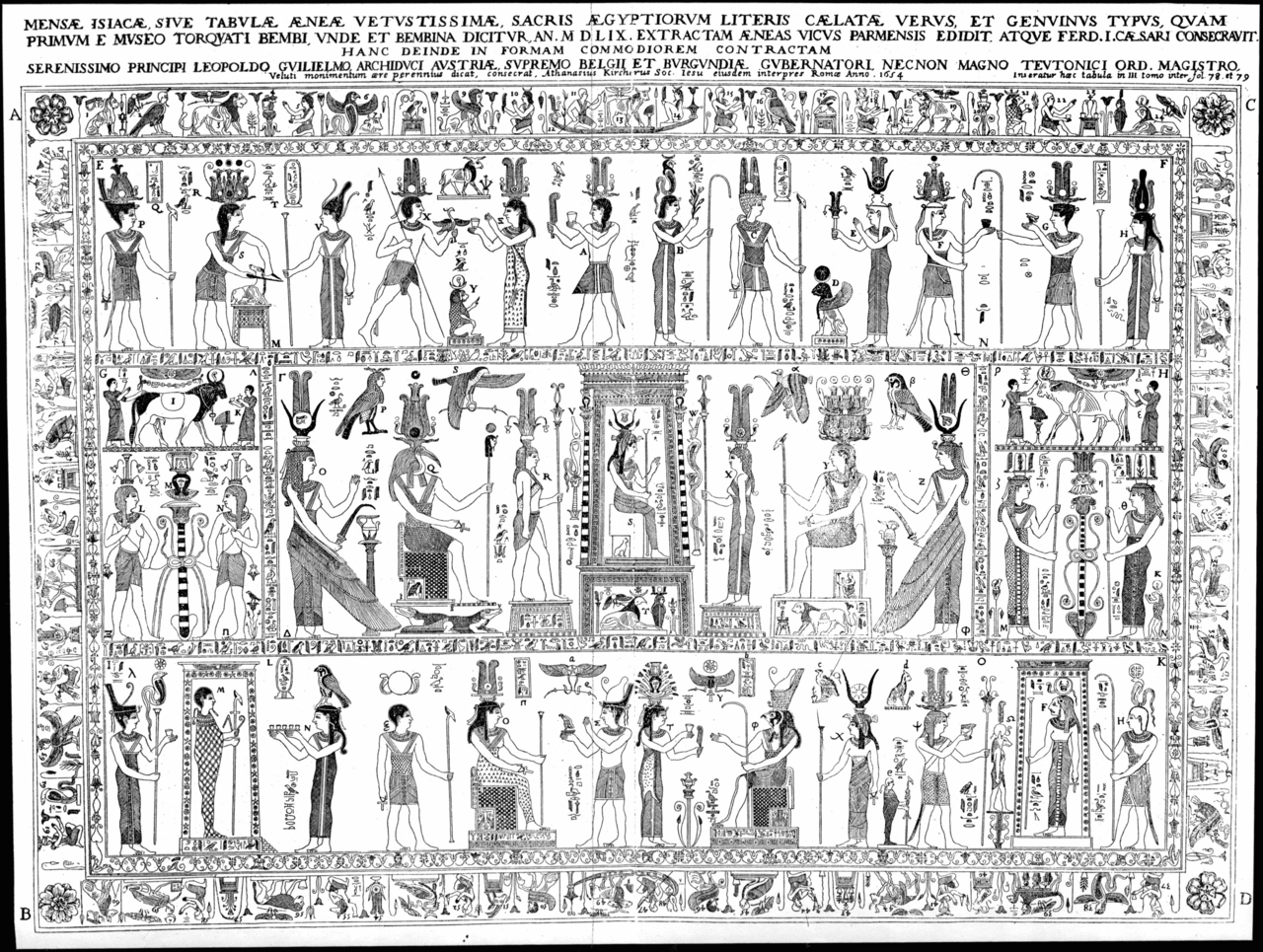
We examine the tensions and harmonies between Christianity, magic, science, and faith, highlighting the roles of Catholicity, Infallibility, and hypothetical reasoning.
Historical & Symbolic Context
The the Science tradition framework presents a manifold exploration of the relationships between faith, science, and reason. Central to this inquiry is the entity of Christianity, which is often presented as being in conflict with the practice of magic. However, this contrast highlights the distinct boundaries that Christianity has traditionally drawn between spiritual belief and magical practices. The relationship between Christianity and science is particularly noteworthy, as both entities share a mutual pursuit of understanding and knowledge about the world.
The concept of Catholicity is central to this discussion, as it represents universal truth or belief, seen as a unity of reason and a universality of a word or revelation. Catholicity is associated with Infallibility, which is derived from the complete possession of truth as defined by Science. This absolute and infallible nature of universal reason is reflected in the concept of Faith, which is a form of belief tied to the concept of Catholicity. Faith is seen as the rational assurance derived from the knowledge of truth, and it is this faith that allows individuals to reconcile with scientific and philosophical progress.
The relationship between Science and Faith is complex, with some entities suggesting that they should not be mixed. However, others propose that Science and Faith can work in unison to restore ancient symbols and explain mysteries. The concept of Hypothetical Reasoning is also relevant, as it is often contested or denied through faith based on evidence. This highlights the tension between reason and faith, suggesting that in religious contexts, faith may take precedence over evidence-based reasoning.
The entity of Miracles is closely tied to Faith, as Faith is the mechanism by which miracles are achieved in the thaumaturgic practice. This emphasizes the power of Faith in achieving extraordinary results and transforming physical reality. The relationship between Science and Persuasion is also noteworthy, as Science is used to persuade and facilitate belief.
The concepts of Atom and Atomic Weight are crucial in understanding the physical world, and they highlight the importance of scientific investigation in explaining natural phenomena. However, the relationship between Science and the Occultist is complex, as both entities aim to understand the world but use different means.
The the Science tradition framework presents a rich body of philosophical ideas that highlight the complexities of human knowledge and understanding. The synthesis of these figures and symbols and relationships reveals a nuanced exploration of the boundaries between spiritual belief, magical practices, and scientific inquiry, and it attests to the necessity of considering multiple perspectives in our pursuit of knowledge and understanding.
Bibliographia & Fontes
Primary Source Books Used in This Article
The doctrines, historical citations, and symbolic correspondences synthesized in this article are drawn from the following primary works and chapters:
- I.Éliphas Lévi, Transcendental Magic: Its Doctrine and Ritual (Dogme et Rituel de la Haute Magie)1856 / 1896 trans.
Translated and Annotated by A. E. Waite
Chapters / Sections Consulted:Part II: The Ritual of Transcendental Magic · Part I: The Doctrine of Transcendental Magic - II.Max Heindel, The Rosicrucian Mysteries: An Elementary Exposition of Their Secret Teachings1911
The Rosicrucian Fellowship
Further Inquiry in This Cycle
Companion Studies & Disputations
The Interplay of Knowledge and Understanding
By examining these connections, we gain insight into the nature of knowledge, understanding, and the human pursuit of truth. Our analysis reveals the…
The Interplay of Faith and Reason
Through a nuanced analysis of the classical sources and relationships, we uncover a rich body of ideas that highlight the tensions and synergies between…
Infallibility & Catholicity: Hermeticism & Neoplatonic Philosophy
Through a close examination of these figures and symbols and their relationships, we uncover a profound understanding of universal truth and its…
Christianisme: The Paradox of Faith and Magic
The intersection of Christianity and magic has long been a topic of intrigue, with the two often being presented as mutually exclusive. However, a closer…
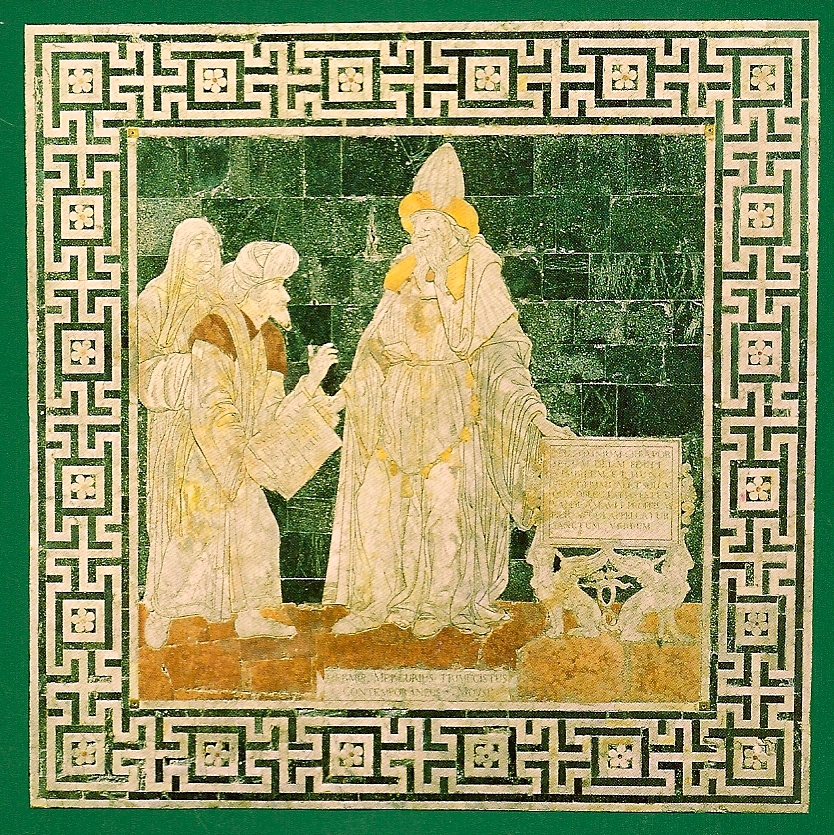
Corpus Hermeticum & Asclepius (Copenhaver Critical Edition)
The definitive scholarly translation of the Greek and Latin Hermetica attributed to Hermes Trismegistus, foundational to Renaissance Neoplatonism and Western esotericism.