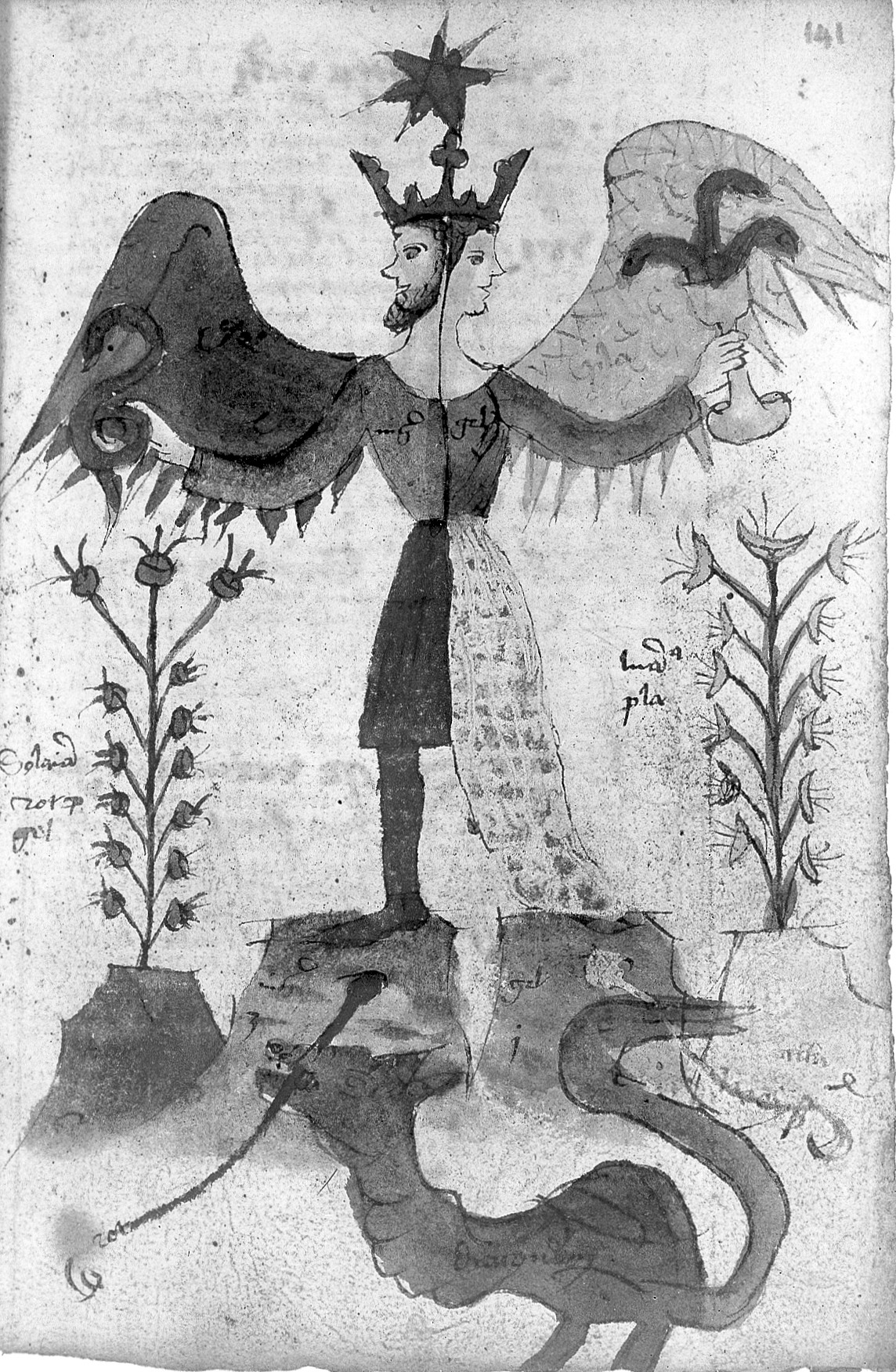
The the Cause And Effect tradition dataset reveals a rich body of philosophical and scientific concepts centered around the Principle of Cause and Effect. Through a detailed analysis of the relationships between these figures and symbols, we will explore the philosophical implications of this fundamental truth and its far-reaching consequences for our understanding of the universe.
The Principle of Cause and Effect: A Cornerstone of Philosophy and Science
The Principle of Cause and Effect is a fundamental truth that underlies all of existence. This concept, also known as the Hermetic Principle of Causality, asserts that every effect has a corresponding cause, and every cause produces an effect. The Hermetic Teachers, a lineage of ancient and modern educators, have long recognized the importance of this principle, teaching its principles and broader philosophical implications to those seeking wisdom.
The Illusion of Chance
The concept of Chance is often seen as a challenge to the Principle of Cause and Effect. However, as Webster's definition makes clear, Chance is merely an illusion, a misnomer for unrelated outcomes that are, in reality, governed by the laws of cause and effect. Random events, too, are often perceived as free of causation, but, as Webster's definition shows, they are merely the result of complex chains of causation that are not immediately apparent.
The Practical Application of the Principle of Cause and Effect
The law of averages, a concept of AVG, is a practical application of the Principle of Cause and Effect. This law illustrates how regular outcomes result from consistent cause and effect relationships, demonstrating the universality of the principle in the natural world. The event of a stone crashing through a roof, caused by a chain of preceding events, further illustrates the principle of cause and effect, tracing back to initial causes like rain and sun exposure.
All Things
The Hermetic tradition, which emphasizes the interconnection and sympathy of all things, is rooted in the Principle of Cause and Effect. This principle suggests that the universe operates according to fixed laws, and nothing happens without a cause. The concept of finite chains of causation, distinct and bounded, yet still falling under the overarching principle of cause and effect, highlights the distinction between them and THE ALL's infinite nature.
Bibliographia & Fontes
Primary Source Books Used in This Article
The doctrines, historical citations, and symbolic correspondences synthesized in this article are drawn from the following primary works and chapters:
- I.The Three Initiates, The Kybalion: A Study of the Hermetic Philosophy of Ancient Egypt and Greece1908
The Seven Hermetic Principles
Further Inquiry in This Cycle
Companion Studies & Disputations
Dislodged Stone & Stone Crashing Through A Roof: The Causal Nexus
By examining the events of a stone crashing through a roof and a dislodged stone, we uncover the fundamental principle of cause and effect that governs…
Cause And Effect: A Philosophical Synthesis
The concept of Cause and Effect, a fundamental principle of the universe, is explored through traditional doctrines and relationships within the the Cause…
Webster & Penny Tosses: The Illusion of Chance
The concept of chance is a pervasive and intriguing idea that has been debated by philosophers and scholars for centuries. The Webster tradition presents a…
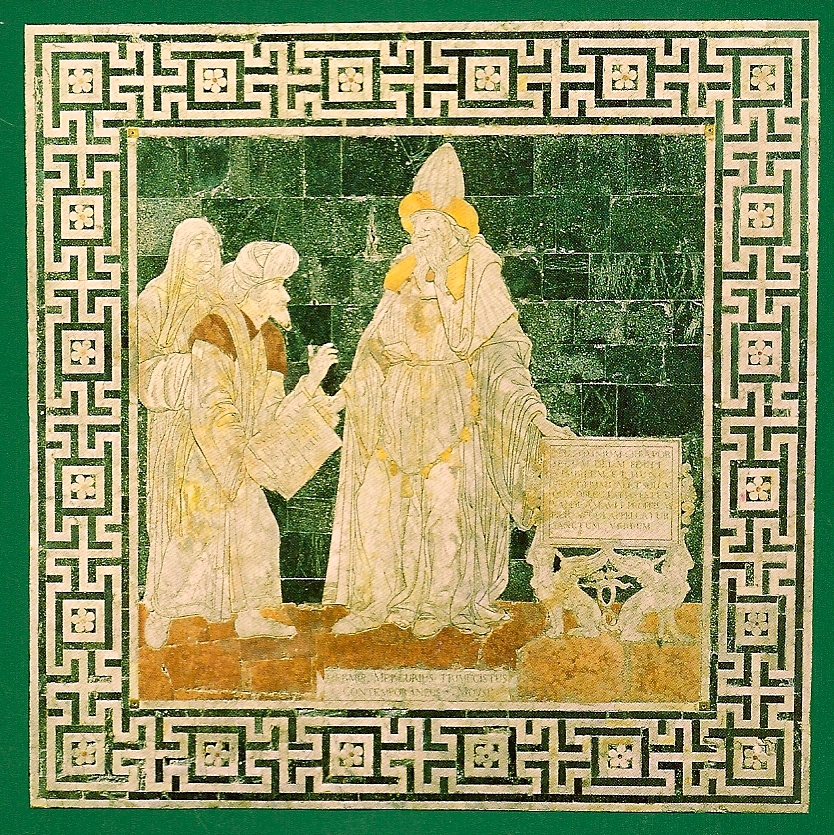
Corpus Hermeticum & Asclepius (Copenhaver Critical Edition)
The definitive scholarly translation of the Greek and Latin Hermetica attributed to Hermes Trismegistus, foundational to Renaissance Neoplatonism and Western esotericism.