The doctrine of Shakespeare encompasses principles and correspondences that reveal the intricate dynamics between creators and their creations. Through an analysis of the surviving literature points, this essay synthesizes the philosophical underpinnings of this tradition, uncovering the principles of correspondence, immanence, and the interplay between the human and divine realms. By examining the sympathies among these principles such as Shakespeare, Dickens, and their respective creations, this essay sheds light on the mysteries of this hermetic lineage, ultimately revealing the presence of a higher, all-encompassing spirit that pervades all aspects of existence.
The Principle of Correspondence
The relationships within this esoteric current illustrate the principle of correspondence, where creators and their creations are inextricably linked. Shakespeare's works, such as Othello and Micawber, reflect the author's own spirit and creative essence. Similarly, Dickens' characters, like Uriah Heep, embody the principles and experiences of their creator. This correspondence is further evident in the relationships between artistic works, such as the Sistine Madonna and the Venus of Medici, which symbolize the interplay between creator and creation.
The principle of correspondence suggests that the creative process is not a unilateral act, but rather a reciprocal exchange between the creator and their creation. This exchange imbues the creation with the spirit and essence of the creator, rendering it an extension of their being. In the Shakespeare tradition, this principle is exemplified through the numerous relationships between creators and their creations, highlighting the intricate and personal nature of artistic expression.
Immanence and the Spirit of the Creator
The entities within this esoteric current also illustrate the concept of immanence, where the creator's spirit is inherent within their creation. Shakespeare's works, for instance, reflect the immanence of the Spirit of the All, while Dickens' characters embody the principles of their creator. This immanence is further evident in the relationships between artistic works, such as the Sistine Madonna and the Venus of Medici, which symbolize the presence of a higher, all-encompassing spirit.
The Spirit of the Creator is a recurring theme within this esoteric current, highlighting the notion that creative expression is not solely a human endeavor, but rather a manifestation of a higher, divine force. This spirit is inherent within all creations, imbuing them with a sense of vitality and essence. The relationships within this esoteric current demonstrate that the creative process is not a solitary act, but rather a collaborative exchange between the human and divine realms.
The Interplay between Human and Divine Realms
The Shakespeare tradition presents a complex interplay between the human and divine realms, highlighting the notion that creative expression is a manifestation of a higher, all-encompassing spirit. The relationships between creators and their creations, as well as between artistic works, demonstrate the presence of a divine force that pervades all aspects of existence.
The Sistine Madonna, for instance, illustrates conditions associated with the phenomenon of second sight, highlighting the connection between the human and divine realms. Similarly, the Venus of Medici and the Apolo Belvidere symbolize the interplay between creator and creation, illustrating the principle of correspondence.
Bibliographia & Fontes
Primary Source Books Used in This Article
The doctrines, historical citations, and symbolic correspondences synthesized in this article are drawn from the following primary works and chapters:
- I.Max Heindel, The Rosicrucian Mysteries: An Elementary Exposition of Their Secret Teachings1911
The Rosicrucian Fellowship
- II.The Three Initiates, The Kybalion: A Study of the Hermetic Philosophy of Ancient Egypt and Greece1908
The Seven Hermetic Principles
- III.Manly P. Hall, The Secret Teachings of All Ages1928
An Encyclopedic Outline of Masonic, Hermetic, Qabbalistic and Rosicrucian Symbolical Philosophy
Chapters / Sections Consulted:Ch. “The Elements and Their Inhabitants”
Further Inquiry in This Cycle
Companion Studies & Disputations
Shakespeare & Venus Of Medici: The Harmony of Creation
The Shakespeare tradition presents a fascinating array of entities and relationships that warrant a deeper exploration of their philosophical…
Micawber & Othello: The Triadic Nexus
Through a philosophical synthesis of these figures and symbols and their interplay, we reveal the intricate dance of creative essence, character…
Second Sight & Sistine Madonna: "Unveiling the Mystical
Through a critical analysis of the relationships between these figures and symbols, we will uncover the deeper meanings and symbolism embedded within…
Uriah Heep: The Echoes of the Creator
Through a philosophical analysis of these figures and symbols and their correspondences, we uncover the profound implications of Dickens' literary legacy…
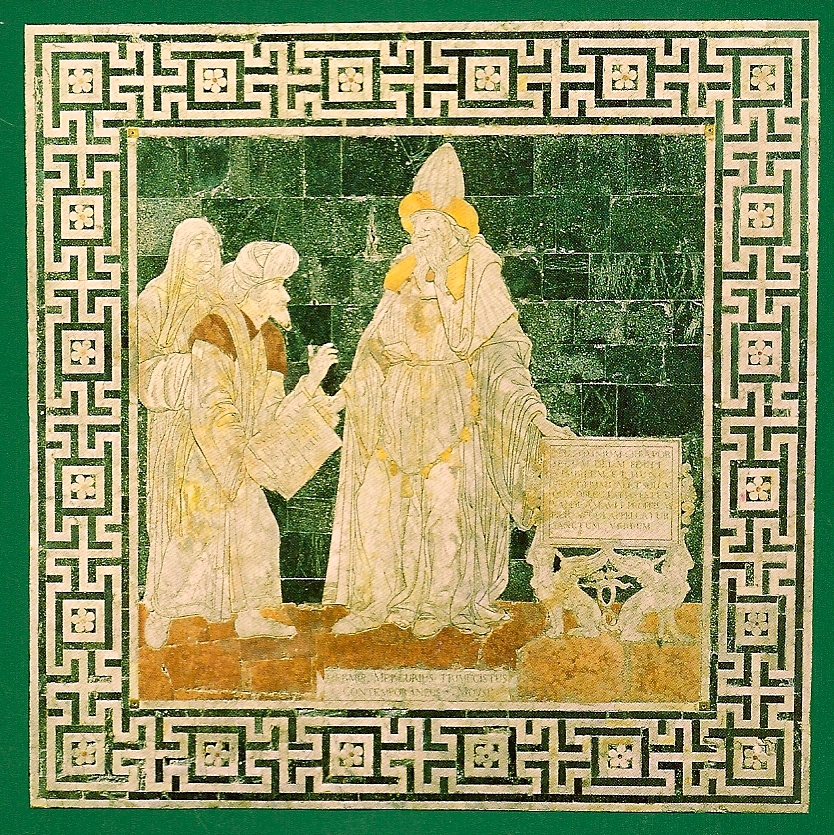
Corpus Hermeticum & Asclepius (Copenhaver Critical Edition)
The definitive scholarly translation of the Greek and Latin Hermetica attributed to Hermes Trismegistus, foundational to Renaissance Neoplatonism and Western esotericism.