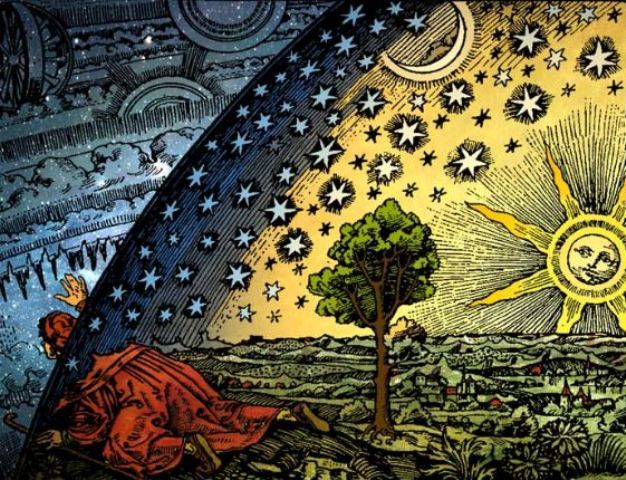
Through an analysis of the classical sources and relationships, we will examine the ways in which spiritual growth is influenced by factors such as youth, maturity, family, and the exercise of free will. Our exploration will reveal a profound philosophy that attests to the necessity of moral choices, personal growth, and the sympathy of human experience.
The Stages of Life and Spiritual Growth
The classical sources and relationships reveal a clear progression of human development, from the impulsiveness of youth to the maturity of manhood/womanhood. Youth, characterized by the planetary influences of Mars and Venus, is marked by physical and emotional growth, preparing individuals for the transition into more mature roles. As individuals progress through the stages of life, they accumulate experiences and learnings that contribute to their spiritual growth.
The concept of living a long life is closely tied to spiritual growth, as it provides individuals with the opportunity to gather experiences, develop their higher consciousness, and refine their connection with the spiritual realm. This process is facilitated by the exercise of free will, which allows individuals to make choices that impact their physical and spiritual outcomes.
The Role of Family and Relationships
Family is a crucial aspect of human experience, providing a sense of belonging, identity, and continuity. The relationships within family units are central to the concepts of matrimony and well-conducted relations, emphasizing the importance of harmonious and meaningful correspondences. However, the bonds of family can also serve as a source of earthly attachment, potentially hindering spiritual growth.
The Interplay between Human Agency and Divine Prerogative
The concept of divine prerogative of interference highlights the complex interplay between human agency and divine authority. While individuals exercise free will, making choices that impact their spiritual growth, they are also subject to the influences of divine rulers. This interplay is evident in the cases of accidental deaths, where human actions and divine judgment intersect.
The Consequences of Moral Choices
The relationships between crimes, retribution, and moral judgment demonstrate the importance of moral choices in human experience. Committing crimes can shorten life and complicate spiritual development, while following moral judgment can lead to a fuller and more fruitful life. This emphasis on moral choices is a central tenet of the philosophy, highlighting the significance of personal responsibility and accountability.
Bibliographia & Fontes
Primary Source Books Used in This Article
The doctrines, historical citations, and symbolic correspondences synthesized in this article are drawn from the following primary works and chapters:
- I.Max Heindel, The Rosicrucian Mysteries: An Elementary Exposition of Their Secret Teachings1911
The Rosicrucian Fellowship
Further Inquiry in This Cycle
Companion Studies & Disputations
Living A Long Life & Family: Human Life
By analyzing the connections between youth, family, living a long life, and other related ideas, we uncover a rich body of themes that demonstrate the…
The Interplay of Spiritual Growth, Divine Interference, and
We will explore how spiritual growth is influenced by divine interference, and how mortality, whether by natural means or accident, affects the trajectory…
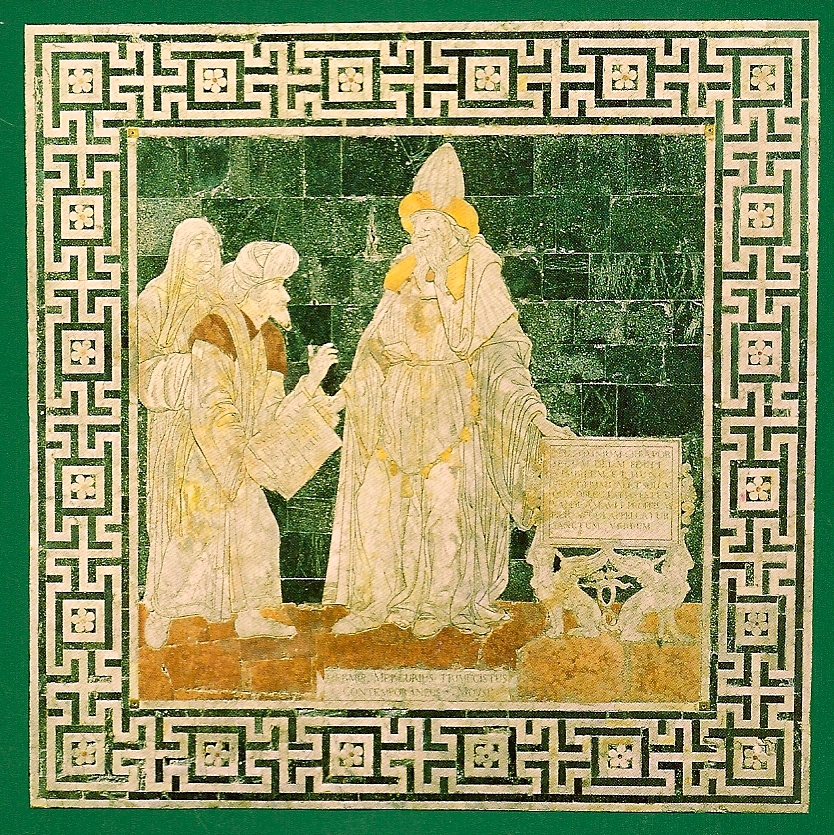
Corpus Hermeticum & Asclepius (Copenhaver Critical Edition)
The definitive scholarly translation of the Greek and Latin Hermetica attributed to Hermes Trismegistus, foundational to Renaissance Neoplatonism and Western esotericism.