By analyzing the entities and connections presented, we will trace the manifold nature of the Moon, revealing its profound influence on spiritual, emotional, and creative aspects of human experience. Through this synthesis, we aim to illuminate the lunar enigma, exposing the intricate web of associations that underlies the mystical and symbolic language of the Moon.
The Multifaceted Nature of the Moon
The Moon entity is a rich body of symbolism, encompassing various aspects of human experience. In tarot, the Moon card represents birth, victory, and conjugal affection, reflecting its association with cycles, feminine energies, and divine influence. This connection is reinforced by the Moon's relationship with the 18th card, which symbolizes the birth of Isaac, conjugal triumph, and hope. The Moon is tied to the concept of the Virgin, an early pagan deity embodying the lunar cycles.
In alchemy, the Moon represents reflection, transformation, and the feminine principle, associated with the emerald and the left side of the ring. This symbolism is echoed in the talismans and amulets, where the crescent and globe divided by two crescents reinforce the Moon's representation. As an astrological symbol, the Moon signifies change and fluidity, aligning with the element of water.
Lunar Cycles and Influences
The Moon's influence is not limited to its symbolism; it is also closely tied to the lunar cycles. The First Quarter Moon has a warm influence during magical works, while the Full Moon has a dry influence. In contrast, the Third Quarter Moon has a cold influence, and the Last Moon (waning moon) is cold, opposite to the warm influences from the First Quarter to Full Moon. These cycles are crucial in understanding the Moon's impact on human experience, as they govern various aspects of life, including emotional states, intuition, and cycles of growth and release.
Entities
The Moon entity is interconnected with various other concepts within the the Moon tradition framework. Baptism is governed by the Moon, symbolizing the consecration of water and aligning with the Moon's influence over religious rituals. Silver is symbolized as the Moon in alchemy, representing an intermediary stage in the Great Work. The Dog-Ape (Cynocephalus) symbolizes the Moon, Thoth, and the planet Mercury, linking the Moon's influence on Mercury and the dog's fidelity to the disciple's bond with the master or God.
The Primal Matter and Lunar Balance
The relationship between Primal Matter and the Moon is particularly noteworthy. The adept observes that primal matter and the lunar cycle are linked, suggesting that harmony between these elements is crucial for the process of creation. This correlation implies that understanding and aligning with the cycles of the Moon is vital for manipulating or utilizing the properties of primal matter effectively.
Bibliographia & Fontes
Primary Source Books Used in This Article
The doctrines, historical citations, and symbolic correspondences synthesized in this article are drawn from the following primary works and chapters:
- I.Manly P. Hall, The Secret Teachings of All Ages1928
An Encyclopedic Outline of Masonic, Hermetic, Qabbalistic and Rosicrucian Symbolical Philosophy
Chapters / Sections Consulted:Ch. “The Hermetic and Alchemical Figures of Claudius de Dominico Celentano (1606)” · Ch. “Stones, Metals, and Gems” · Ch. “The Pythagorean Theory of Music and Color” · Ch. “The Zodiac and Its Signs” · Ch. “Fishes, Insects, Animals, Reptiles and Birds” - II.Éliphas Lévi, Transcendental Magic: Its Doctrine and Ritual (Dogme et Rituel de la Haute Magie)1856 / 1896 trans.
Translated and Annotated by A. E. Waite
Chapters / Sections Consulted:Part II: The Ritual of Transcendental Magic - III.Franz Hartmann, In the Pronaos of the Temple of Wisdom / Philosophy of the Rosicrucians and Alchemists1890
Containing the History of the True and the False Rosicrucians and the Principles of Alchemy
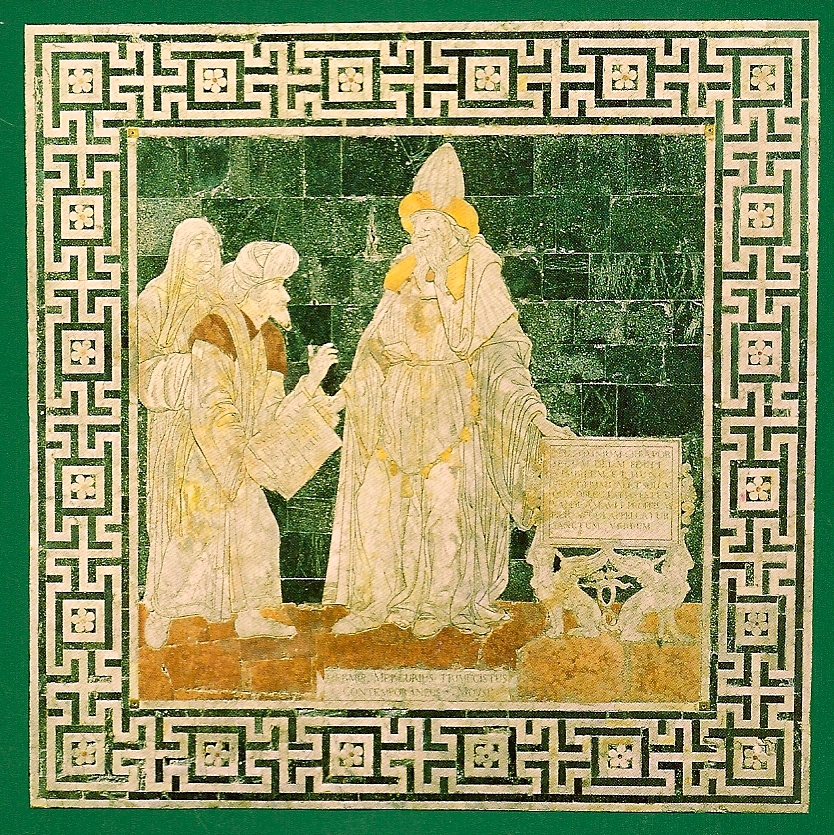
Corpus Hermeticum & Asclepius (Copenhaver Critical Edition)
The definitive scholarly translation of the Greek and Latin Hermetica attributed to Hermes Trismegistus, foundational to Renaissance Neoplatonism and Western esotericism.