
In the study of the concept of metaphysics and its relationship with positivism in the philosophical framework of Auguste Comte, a French philosopher known for his work on positivism. We will examine how Comte views metaphysics as a foundational yet limited stage in the developmental process of human thought, and how he seeks to replace it with the more empirical stance of positivism.
Historical & Symbolic Context
Comte's philosophical system presents a narrative of intellectual development, where metaphysics plays a essential part as a preparatory stage for more concrete and scientifically informed ways of understanding reality. Initially, metaphysics is described as an intellectual phase that emphasizes the speculative and abstract examination of the nature of reality, seeking to understand physical and moral realities. This concept represents a "science of Nature," highlighting its focus on fundamental questions about existence and reality.
However, Comte views metaphysics as a limited and immature stage in the progression of human thought. He argues that metaphysics, characterized by its abstract and speculative nature, should be superseded by positivism, which focuses on empirical evidence and scientific observation. This perspective reflects a developmental progression in thought, where metaphysical concepts are seen as preparatory for more pragmatic and evidence-based approaches to understanding the world.
The relationship between metaphysics and positivism in Comte's philosophy is one of succession, where positivism replaces metaphysics as a more advanced and mature stage of intellectual development. This transition from abstract speculation to empirical inquiry highlights Comte's emphasis on the importance of scientific observation and evidence-based reasoning in understanding reality.
In this context, Comte's philosophy presents a narrative of intellectual evolution, where metaphysics serves as a foundational yet ultimately supplanted stage in the developmental process of human thought. The concept of metaphysics, while essential for exploring fundamental questions about existence and reality, is ultimately seen as a precursor to more concrete and scientifically grounded approaches to understanding the world.
Comte's philosophical system highlights the tension between abstract speculation and empirical inquiry, emphasizing the importance of a pragmatic and evidence-based approach to understanding reality. By examining the relationship between metaphysics and positivism in Comte's philosophy, we gain insight into the developmental progression of human thought and the importance of scientific reasoning in understanding the world.
Bibliographia & Fontes
Primary Source Books Used in This Article
The doctrines, historical citations, and symbolic correspondences synthesized in this article are drawn from the following primary works and chapters:
- I.Manly P. Hall, The Secret Teachings of All Ages1928
An Encyclopedic Outline of Masonic, Hermetic, Qabbalistic and Rosicrucian Symbolical Philosophy
Chapters / Sections Consulted:Ch. “Introduction to Symbolical Philosophy”
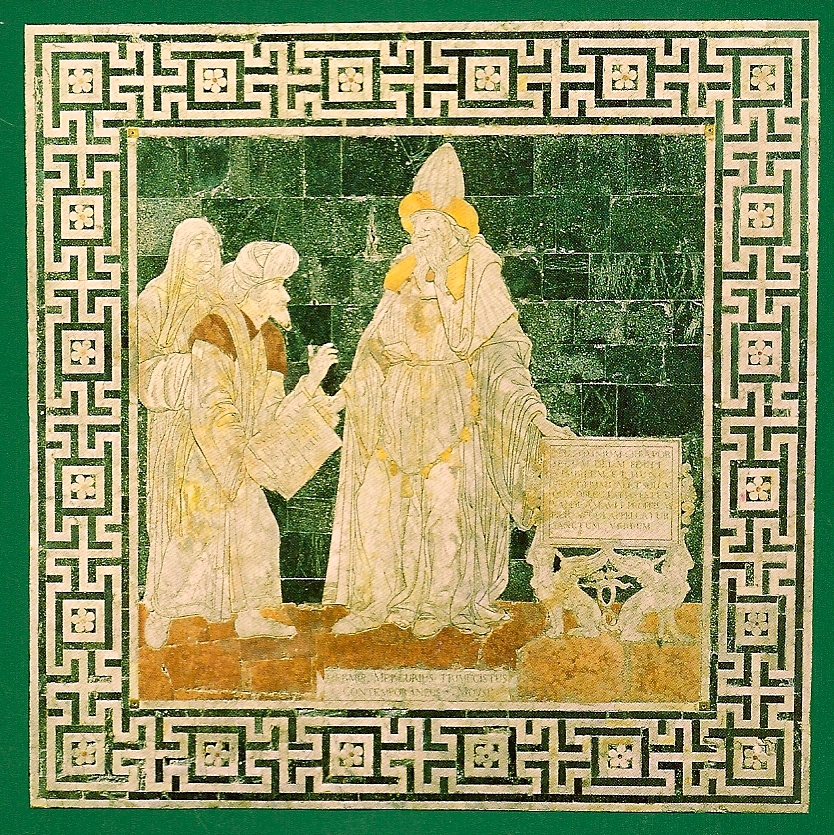
Corpus Hermeticum & Asclepius (Copenhaver Critical Edition)
The definitive scholarly translation of the Greek and Latin Hermetica attributed to Hermes Trismegistus, foundational to Renaissance Neoplatonism and Western esotericism.