We examine the manifold nature of suffering, the will to know, the will to grasp, and the transformation of the will to live into the will to power. Through a nuanced analysis of these concepts and their correspondences, we reveal the profound impact of suffering on human experience and the driving forces behind human existence.
The Multifaceted Nature of Suffering
Suffering is a complex concept that encompasses both physical and existential pain. In its physical aspect, suffering is associated with the struggle for survival and recovery from injury. However, it also transcends the physical realm, symbolizing the necessity for human freedom and the development of human will and autonomy. This existential perspective on suffering is echoed in the philosophies of Arthur Schopenhauer and Friedrich Nietzsche, who emphasize its inevitability as a byproduct of life's manifestation.
The Will to Know and the Will to Grasp
The will to know and the will to grasp are closely intertwined concepts that reflect the progression from intellectual understanding to physical action. The will to know, as a prerequisite for the will to grasp, emphasizes the importance of the intellect in understanding the limitations and context of the will. This intellectual drive propels the hands to engage in actions that concretely manifest the will's intentions and goals.
The Transformation of the Will to Live into the Will to Power
The transformation of the will to live into the will to power is a key concept in Nietzsche's philosophy, emphasizing the shift from the passivity of suffering to the active pursuit of power and autonomy. This transformation highlights a proactive essence, moving beyond mere acceptance of life's conditions to a proactive shaping and mastery of one's existence and the world.
The Interplay between Suffering, Will, and Power
The relationships between suffering, will, and power are complex and manifold. Nietzsche's transformation of the will to live into the will to power represents a shift from the passivity of suffering to the active pursuit of power and autonomy. This transformation is closely tied to the will to know and the will to grasp, which emphasize the importance of intellectual understanding and physical action in the pursuit of power and autonomy.
Bibliographia & Fontes
Primary Source Books Used in This Article
The doctrines, historical citations, and symbolic correspondences synthesized in this article are drawn from the following primary works and chapters:
- I.Manly P. Hall, The Secret Teachings of All Ages1928
An Encyclopedic Outline of Masonic, Hermetic, Qabbalistic and Rosicrucian Symbolical Philosophy
Chapters / Sections Consulted:Ch. “Introduction to Symbolical Philosophy”
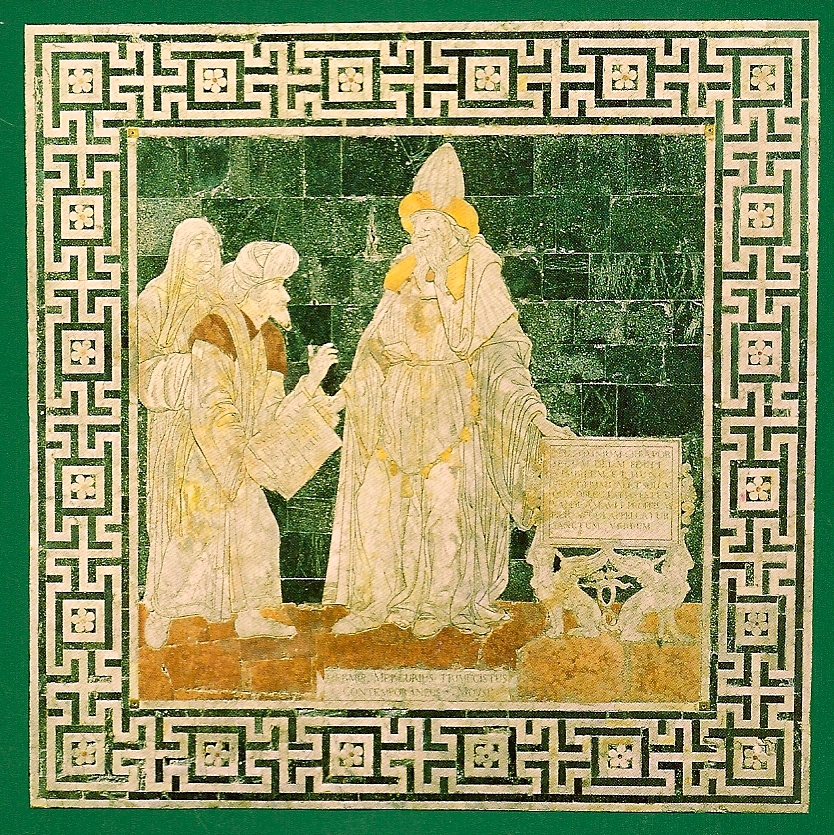
Corpus Hermeticum & Asclepius (Copenhaver Critical Edition)
The definitive scholarly translation of the Greek and Latin Hermetica attributed to Hermes Trismegistus, foundational to Renaissance Neoplatonism and Western esotericism.