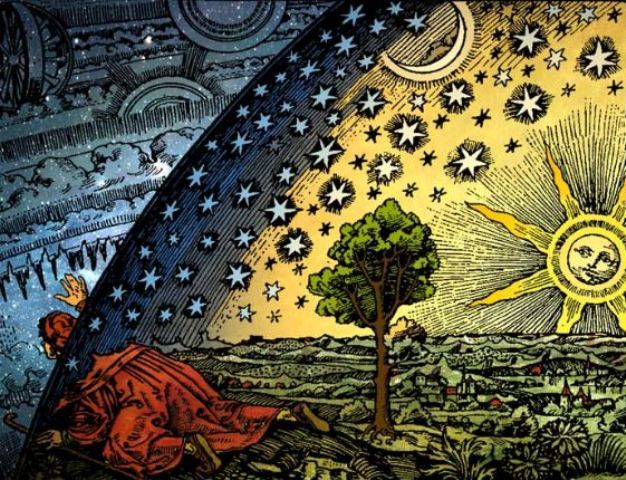
By synthesizing the ideas presented, we gain insight into a holistic understanding of disease that transcends purely physiological explanations, revealing a network of relationships between humans, nature, and the spiritual realm.
The Concept of DISEASE: A Holistic Understanding of Disease
The term "DISEASE" in the Disease tradition encompasses a manifold perspective on health and illness, integrating traditional views that acknowledge the influence of astrological and spiritual factors. This approach resonates with the philosophical underpinnings of Paracelsus, a 16th-century Swiss physician and alchemist, who viewed diseases as tangible entities that can be attacked or treated. By considering diseases as substances with a form that can be influenced, Paracelsus implies a dynamic and engaged approach to combating illness, one that may involve both physical and metaphysical aspects.
In this context, disease is not solely a physiological phenomenon, but rather a complex interplay of factors that encompass the spiritual, astrological, and material realms. This holistic understanding of disease acknowledges the intricate relationships between human beings, the natural world, and the cosmos, suggesting that health and illness are influenced by a broader web of factors than traditionally recognized.
The Role of Lower Life Forms in the Context of DISEASE
The concept of "LOWER LIFE FORMS" in the Disease tradition refers to plants and animals that can accept disease elements or mumia from humans without being affected. This phenomenon highlights the sympathy of living beings and the natural world, revealing a network of relationships between humans, animals, and plants.
The relationship between LOWER LIFE FORMS and DISEASE suggests a symbiotic exchange, where plants and animals can alleviate disease in humans by accepting disease elements. This process may lead to the sacrifice of the lower life form, demonstrating the intricate and often reciprocal nature of relationships within the natural world.
Synthesizing the Findings: A Philosophical Perspective
The concepts of DISEASE and LOWER LIFE FORMS in the Disease tradition offer a profound philosophical perspective on the nature of health, illness, and the sympathy of living beings. By acknowledging the influence of astrological and spiritual factors on disease, we are compelled to reconsider the traditional boundaries between the physical and metaphysical realms.
The relationship between humans, animals, and plants is revealed to be a network of reciprocal exchange, where the health and well-being of one being may be inextricably linked to that of another. This understanding attests to the necessity of considering the broader ecological and spiritual context in which human health and illness occur.
The esoteric concepts presented in the Disease tradition invite us to adopt a more holistic and philosophical perspective on the human experience, one that acknowledges the intricate relationships between the physical, spiritual, and natural worlds. By embracing this perspective, we may uncover new insights into the nature of health, illness, and the sympathy of all living beings.
Bibliographia & Fontes
Primary Source Books Used in This Article
The doctrines, historical citations, and symbolic correspondences synthesized in this article are drawn from the following primary works and chapters:
- I.Manly P. Hall, The Secret Teachings of All Ages1928
An Encyclopedic Outline of Masonic, Hermetic, Qabbalistic and Rosicrucian Symbolical Philosophy
Chapters / Sections Consulted:Ch. “Hermetic Pharmacology, Chemistry, and Therapeutics”
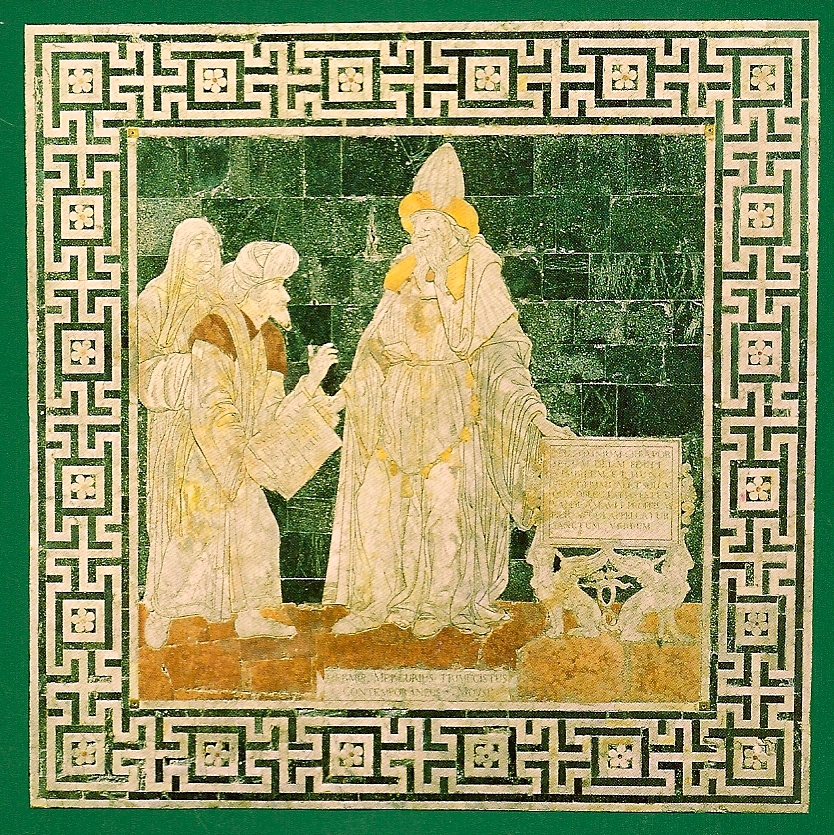
Corpus Hermeticum & Asclepius (Copenhaver Critical Edition)
The definitive scholarly translation of the Greek and Latin Hermetica attributed to Hermes Trismegistus, foundational to Renaissance Neoplatonism and Western esotericism.