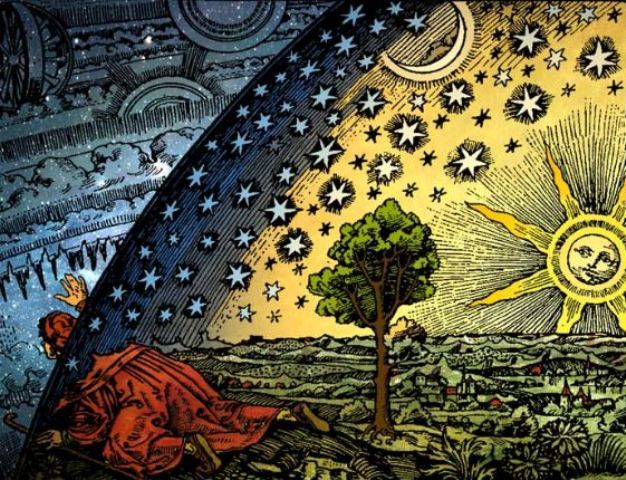
In the study of the philosophical and esoteric connections between the Emerald Tablet, Mercurius Trismegistus, the Kingdom of God, the Priesthood of Magic, and the concept of the Infinite.
Historical & Symbolic Context
Central to this esoteric landscape is the Emerald Tablet, a legendary document attributed to the wise and enigmatic figure of Mercurius Trismegistus. This tablet, with its cryptic yet profound dictum, "That which is below is like that which is above, and that which is above is like that which is below," encapsulates the Hermetic principle of correspondence, emphasizing the sympathy of the macrocosm and microcosm. This notion serves as a cornerstone for the philosophical and alchemical traditions, guiding seekers towards a deeper understanding of the universe and their place within it.
Mercurius Trismegistus, as the creator and interpreter of the Emerald Tablet, embodies the ideal of the sage who possesses deep wisdom. His association with the Kingdom of God (Regnum Dei) signifies the ultimate goal of spiritual and alchemical pursuits: to attain a state of divine presence and wisdom, where all aspects of life are guided by a higher power. This notion is reinforced by the connection between the Kingdom of God and the Priesthood of Magic, which aspires to and practices the ideals of the former.
The Priesthood of Magic, a select group of individuals initiated into the mysteries of magic, relies heavily on the principles enshrined in the Emerald Tablet to guide its practices and teachings. This priesthood seeks to explore and embody the concept of the Infinite, which represents the boundless and uncharted realms beyond human comprehension. The Infinite, in turn, is seen as the ultimate goal of both faith and scientific exploration, symbolizing the limitless and unconditioned aspect of the divine.
The relationships between these figures and symbols reveal a profound narrative of spiritual transformation and the pursuit of divine wisdom. The Emerald Tablet, as a conduit to the Infinite, guides seekers towards deeper knowledge and understanding of the divine. The Priesthood of Magic, through its connection to the Kingdom of God and the Emerald Tablet, aspires to embody the ideals of the sage, Mercurius Trismegistus, and to attain a state of divine presence and wisdom.
The Emerald Tablet and the associated entities form a rich body of esoteric thought, demonstrating the pursuit of divine wisdom, spiritual transformation, and the attainment of ultimate knowledge.
Bibliographia & Fontes
Primary Source Books Used in This Article
The doctrines, historical citations, and symbolic correspondences synthesized in this article are drawn from the following primary works and chapters:
- I.Éliphas Lévi, Transcendental Magic: Its Doctrine and Ritual (Dogme et Rituel de la Haute Magie)1856 / 1896 trans.
Translated and Annotated by A. E. Waite
Chapters / Sections Consulted:Part I: The Doctrine of Transcendental Magic - II.Hermes Trismegistus (attr.), Tabula Smaragdina (The Emerald Tablet)c. 8th–12th c.
Classical Primary Source Referenced in Text
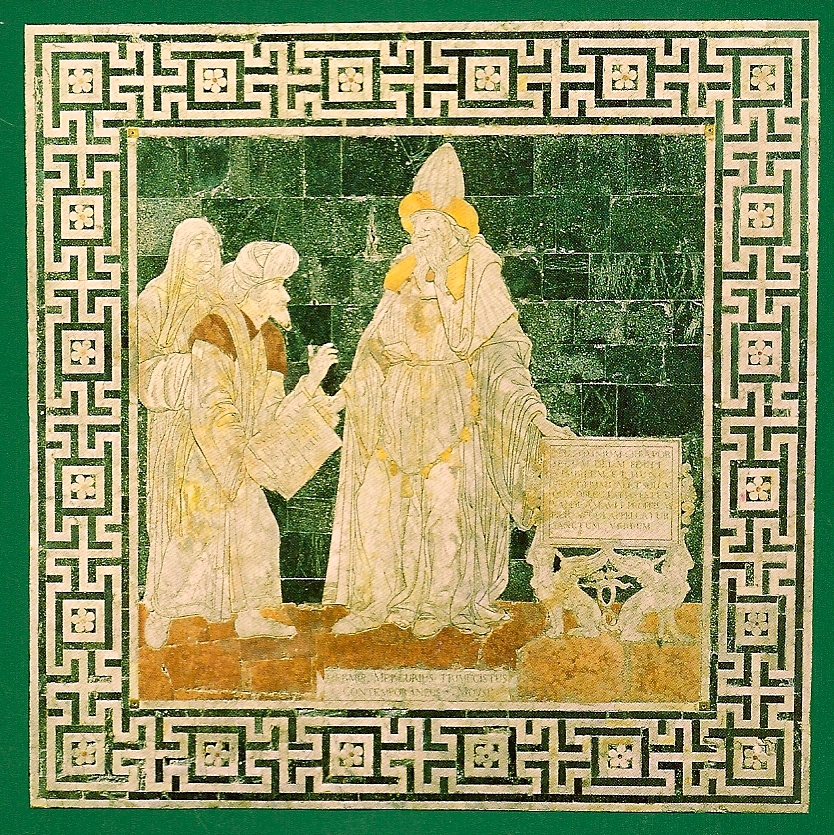
Corpus Hermeticum & Asclepius (Copenhaver Critical Edition)
The definitive scholarly translation of the Greek and Latin Hermetica attributed to Hermes Trismegistus, foundational to Renaissance Neoplatonism and Western esotericism.