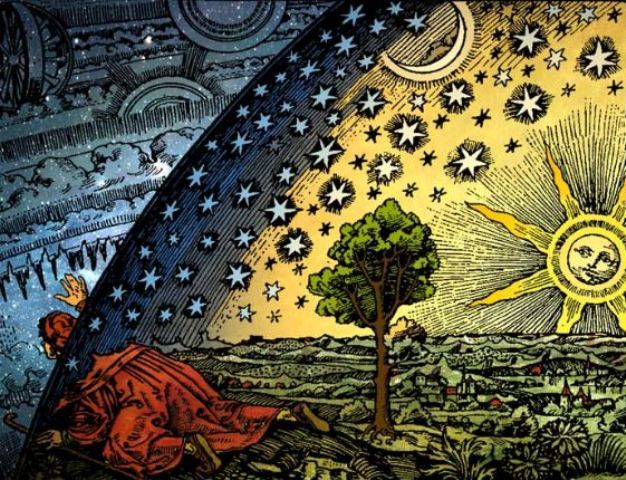
By examining the sympathy of the Robe of the High Priest of Israel, the Meeir, and the lineages of the Twelve Prophets, Twelve Patriarchs, and Twelve Tribes, we reveal a profound symbolism that demonstrates the unity and regeneration of the spiritual community.
The Vestments of Unity
Central to this hermetic lineage is the Robe of the High Priest of Israel, also known as "The Garments of Glory." These high-level garments signify spiritual status and regeneration within the priesthood. The Robe is intricately connected to the Meeir, a sleeveless, sky-blue garment worn over the white linen robe, adorned with golden bells and pomegranates. This elaborate attire is not merely a sartorial choice but holds deep symbolic importance in the priesthood. The Meeir is part of the overall attire of the High Priest, worn during significant rituals, emphasizing its role in facilitating spiritual regeneration.
The Robe of the High Priest of Israel is also inextricably linked to the Twelve Tribes of Israel, symbolizing their unity. This connection is reinforced by the relationships between the Twelve Tribes, the Twelve Patriarchs, and the Twelve Prophets. Each prophet is associated with a tribe, embodying the spirit and message of that tribe, while the Twelve Patriarchs, stemming from Jacob's sons, are fundamentally related to the Twelve Tribes. This web of relationships affirms that the spiritual community is comprised of distinct yet interconnected channels for the manifestation of the Divine Duodecimo.
The Meeir, with its golden bells and pomegranates, serves as a visual representation of this sympathy. The bells, often associated with the divine, symbolize the call to spiritual awakening, while the pomegranates, representing abundance and fertility, signify the regeneration and growth that arise from the unity of the Twelve Tribes. The sky-blue color of the Meeir, meanwhile, is reminiscent of the infinite and the divine, reinforcing the notion that the spiritual community is a microcosm of the greater cosmic order.
The Unity of the Twelvefold Deity
The relationships within this esoteric current reveal a profound symbolism centered on the unity of the Twelvefold Deity. The Twelve Prophets, Patriarchs, and Tribes each represent a unique channel for the manifestation of the divine, demonstrating the idea that the spiritual community is a manifold reflection of the divine. The Robe of the High Priest of Israel, with its association with the Twelve Tribes, serves as a visual representation of this unity, emphasizing the sympathy of the diverse channels of the divine.
The doctrine of Twelve Tribes encompasses symbolism that demonstrates the unity and regeneration of the spiritual community. Through the sympathy of the Robe of the High Priest of Israel, the Meeir, and the lineages of the Twelve Prophets, Patriarchs, and Tribes, we glimpse a profound philosophy that emphasizes the manifold nature of the divine and the importance of unity in the pursuit of spiritual growth and regeneration.
Bibliographia & Fontes
Primary Source Books Used in This Article
The doctrines, historical citations, and symbolic correspondences synthesized in this article are drawn from the following primary works and chapters:
- I.Manly P. Hall, The Secret Teachings of All Ages1928
An Encyclopedic Outline of Masonic, Hermetic, Qabbalistic and Rosicrucian Symbolical Philosophy
Chapters / Sections Consulted:Ch. “The Tabernacle in the Wilderness”
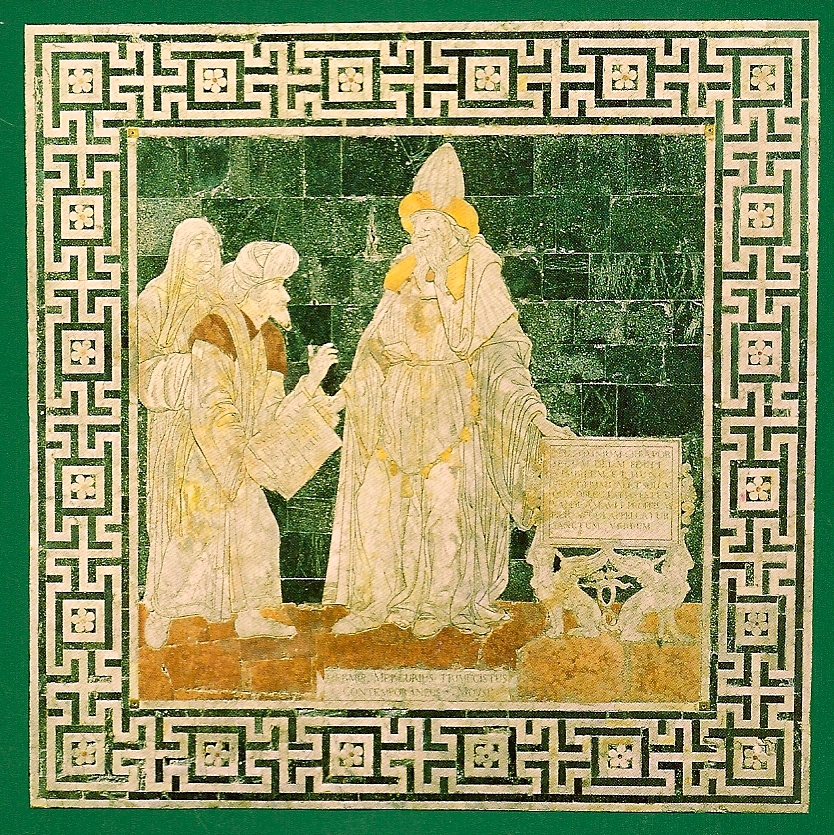
Corpus Hermeticum & Asclepius (Copenhaver Critical Edition)
The definitive scholarly translation of the Greek and Latin Hermetica attributed to Hermes Trismegistus, foundational to Renaissance Neoplatonism and Western esotericism.