We examine the nature of reality, its relationship with substantiality and fleeting things, and how the Universal encompasses all aspects of existence. Through a detailed analysis of these concepts and their connections, we gain a deeper understanding of the complexities of reality and its significance in shaping our perceptions and actions.
The Nature of Reality
Reality, as a philosophical concept, extends beyond the physical realm and encompasses a significant role in our immediate and pragmatic engagement with the world. It emphasizes the importance of treating experiences and phenomena as substantive and of value, despite their transient characteristics. This perspective demonstrates the need to acknowledge the reality of fleeting things, recognizing their importance in our lives and the world around us.
Reality is also conceived as a higher state of being, a philosophical ideal that transcends the constraints of physical existence. This ideal represents a pure and unadulterated form of existence, detached from the material confines and complexities of the physical world. It suggests a state wherein the essence of being is stripped of all superficial layers, capturing the true nature of existence in a more profound and meaningful way.
The Relationship Between Substantiality and Reality
Substantiality and reality are intertwined concepts, suggesting that regardless of how fleeting things may seem, we must act as if they are real and substantial. This relationship reveals the place of treating experiences and phenomena as having a sense of solidity and permanence, despite their temporary nature. By acknowledging the substantiality of fleeting things, we can engage with the world in a more meaningful and effective way.
The Universal and Its Relationship to Reality and Fleeting Things
The Universal, which includes THE ALL and all its parts, is a broader concept that encompasses everything, illustrating the sympathy of all things. The Universal includes reality as a core part of its entirety, showing the fundamental relationship between the Universal and the concept of reality. This relationship emphasizes that reality is not a standalone concept, but rather an integral part of a larger, all-encompassing whole.
The Universal includes fleeting things, emphasizing that they are part of the larger reality and should be treated as such for practical living. This reveals the place of recognizing the sympathy of all things, including those that are temporary and fleeting.
Bibliographia & Fontes
Primary Source Books Used in This Article
The doctrines, historical citations, and symbolic correspondences synthesized in this article are drawn from the following primary works and chapters:
- I.The Three Initiates, The Kybalion: A Study of the Hermetic Philosophy of Ancient Egypt and Greece1908
The Seven Hermetic Principles
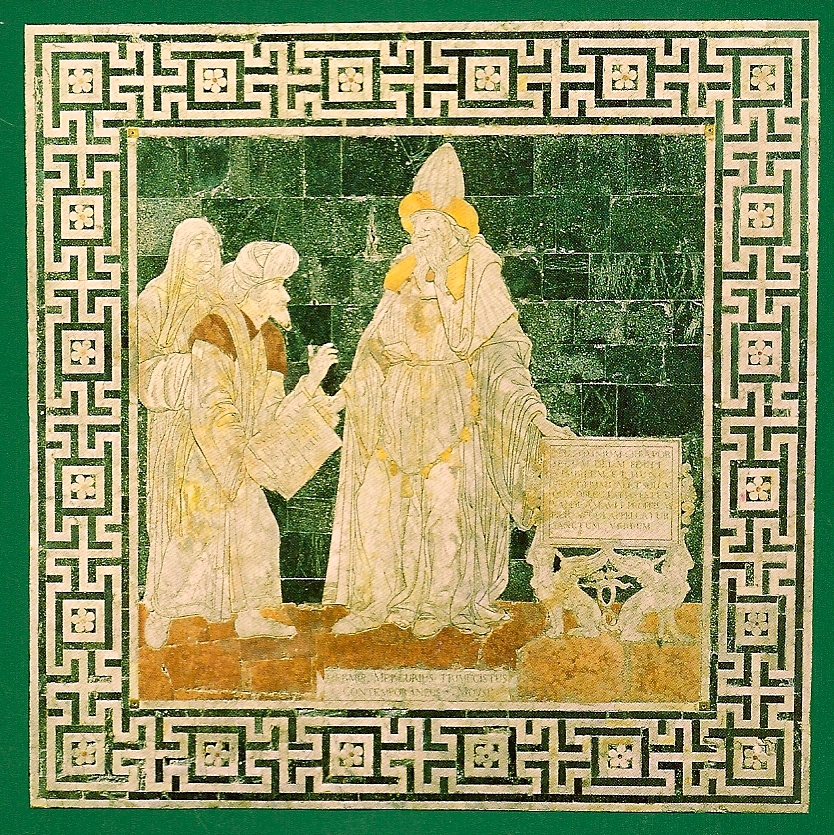
Corpus Hermeticum & Asclepius (Copenhaver Critical Edition)
The definitive scholarly translation of the Greek and Latin Hermetica attributed to Hermes Trismegistus, foundational to Renaissance Neoplatonism and Western esotericism.