In the realm of this hermetic lineage, the concept of kingship is intricately woven with the symbolism of the tarot death card, representing transformation and the ephemeral nature of power. The white king, Ormuzd, and the black king, Ahriman, embody the dichotomy of light and darkness, respectively, reflecting the struggle between good and evil.
The Ephemeral Nature of Kingship
The tarot death card serves as a poignant reminder of the transience of kingship, symbolizing the inevitable downfall or transformation of even the most powerful institutions. This theme is echoed in the concept of kingship, which, despite its connotations of permanence and authority, is ultimately subject to the cycles of decline and renewal. The death card's association with the end of one phase and the beginning of another demonstrates the impermanence of power and the inevitability of change.
The Dichotomy of Light and Darkness
The white king, Ormuzd, and the black king, Ahriman, represent the opposing forces of light and darkness, respectively. Ormuzd, symbolizing the self and its vehicles, such as spirit and mind, embodies the qualities of goodness and spiritual growth. In contrast, Ahriman, representing the not-self or false self, embodies the negative qualities of evil and darkness. This dichotomy reflects the fundamental struggle between good and evil, with the white king and his retinue striving for spiritual development and the black king and his retinue seeking to undermine this progress.
The Interplay between Light and Darkness
The relationships between the white king, the black king, and the concept of kingship reveal a complex interplay between light and darkness. The white king, as Ormuzd, represents the concept of kingship in spiritual and philosophical terms, while the black king, as Ahriman, opposes this light with the darkness of evil. This opposition highlights the tension between the self and its vehicles, which strive for spiritual growth, and the not-self or false self, which seeks to undermine this progress. The black king's association with the concept of kingship also demonstrates the darker aspects of power and the corrupting influence of evil.
Bibliographia & Fontes
Primary Source Books Used in This Article
The doctrines, historical citations, and symbolic correspondences synthesized in this article are drawn from the following primary works and chapters:
- I.Manly P. Hall, The Secret Teachings of All Ages1928
An Encyclopedic Outline of Masonic, Hermetic, Qabbalistic and Rosicrucian Symbolical Philosophy
Chapters / Sections Consulted:Ch. “An Analysis of Tarot Cards”
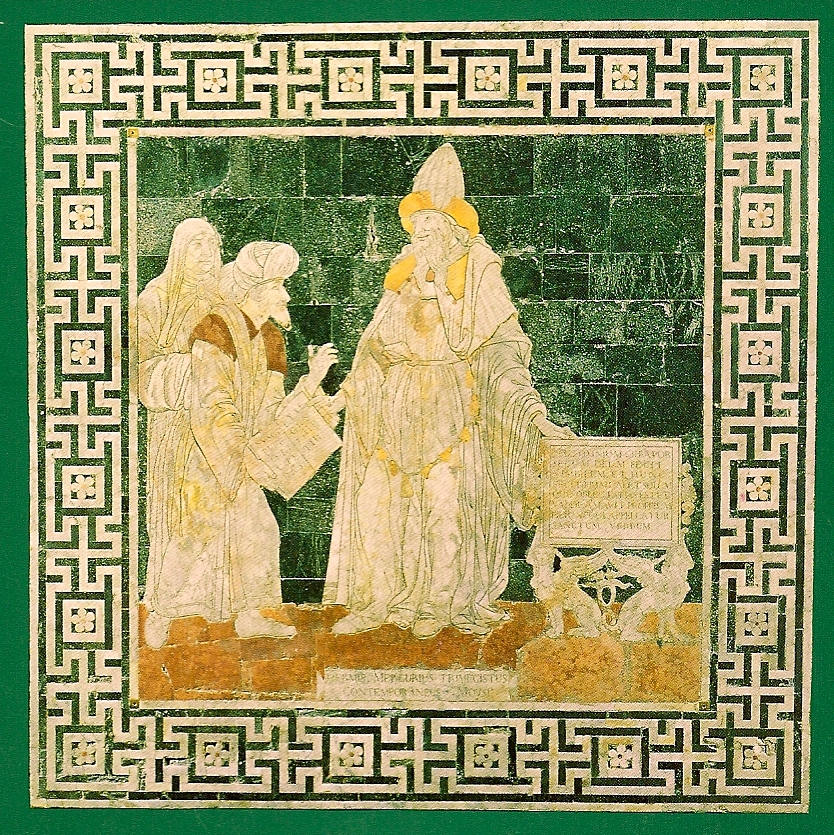
Corpus Hermeticum & Asclepius (Copenhaver Critical Edition)
The definitive scholarly translation of the Greek and Latin Hermetica attributed to Hermes Trismegistus, foundational to Renaissance Neoplatonism and Western esotericism.