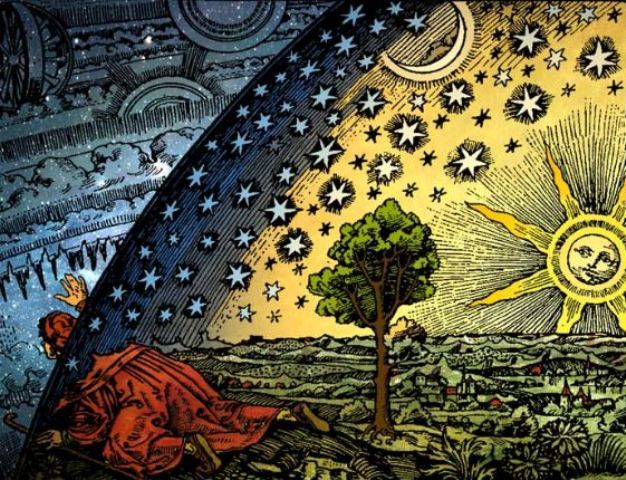
The concepts presented within this esoteric current offer a profound spiritual framework, emphasizing the importance of introspection and self-discovery on the path to enlightenment. By examining the relationships between the Path, External Miracles, Internal Mysteries, True Students, and Heathens, we can distill the essence of this philosophical tradition and gain insight into the nature of personal transformation and spiritual growth.
Historical & Symbolic Context
Central to this philosophical tradition is the concept of the Path, a journey of introspection and self-discovery that seeks to uncover the fundamental principles governing the universe and the human experience. The Path is not concerned with external achievements or material attainments, but rather with the exploration of one's inner self, aiming to achieve a deeper understanding of Hermetic wisdom. This internal journey is essential for personal transformation and spiritual growth, as it allows individuals to uncover the truths and principles essential for their own evolution.
The relationship between the Path and Internal Mysteries is particularly significant. As one embarks on the Path, they are naturally led to confront and explore the internal mysteries that reside within themselves. These internal mysteries represent the intricate and complex aspects of the human psyche, including the depths of personal consciousness, emotions, and the subconscious mind. Unlike external constructs or material structures, internal mysteries are hidden dimensions of human nature that often remain unexplored and ununderstood. The Path, therefore, serves as a catalyst for self-discovery and inner reflection, allowing individuals to gain a deeper understanding of themselves and the world around them.
In contrast, External Miracles are seen as distractions from the internal mysteries that truly matter. Trusting in external miracles, whether they be guarded by men or otherwise, can lead individuals away from the Path and the transformative power of self-discovery. This is not to say that external events or experiences cannot be meaningful or impactful, but rather that they should not be relied upon as the primary means of spiritual growth or enlightenment.
The concept of the True Student is central to this philosophical tradition, referring to someone capable of understanding and applying Hermetic principles. True Students are those who have dedicated themselves to the Path, seeking to attain true knowledge and understanding through their internal journey. They are distinguished from Heathens, who are not yet ready to receive the truth. Heathens resist the Path, often due to a lack of self-awareness or an unwillingness to confront their own internal mysteries.
The relationships between True Students, Heathens, and the Path are instructive. True Students travel the Path to become adept at Hermetic teachings, while Heathens are contrasted with True Students in terms of their readiness to receive spiritual teachings. This contrast reveals the place of self-preparation and inner readiness for spiritual growth and transformation.
The philosophy presented within this esoteric current offers a profound and nuanced understanding of the human experience and the nature of spiritual growth. By emphasizing the importance of introspection, self-discovery, and the exploration of internal mysteries, this tradition provides a rich and complex framework for personal transformation and enlightenment. As we navigate the complexities of our own inner worlds, may we find guidance and wisdom in the principles of the Path, and may we emerge transformed, with a deeper understanding of ourselves and the world around us.
Bibliographia & Fontes
Primary Source Books Used in This Article
The doctrines, historical citations, and symbolic correspondences synthesized in this article are drawn from the following primary works and chapters:
- I.P. D. Ouspensky, The Symbolism of the Tarot: Philosophy of Occultism in Pictures and Numbers1913
Translated by A. L. Pogossky
- II.The Three Initiates, The Kybalion: A Study of the Hermetic Philosophy of Ancient Egypt and Greece1908
The Seven Hermetic Principles
Chapters / Sections Consulted:Introduction & Seven Hermetic Axioms
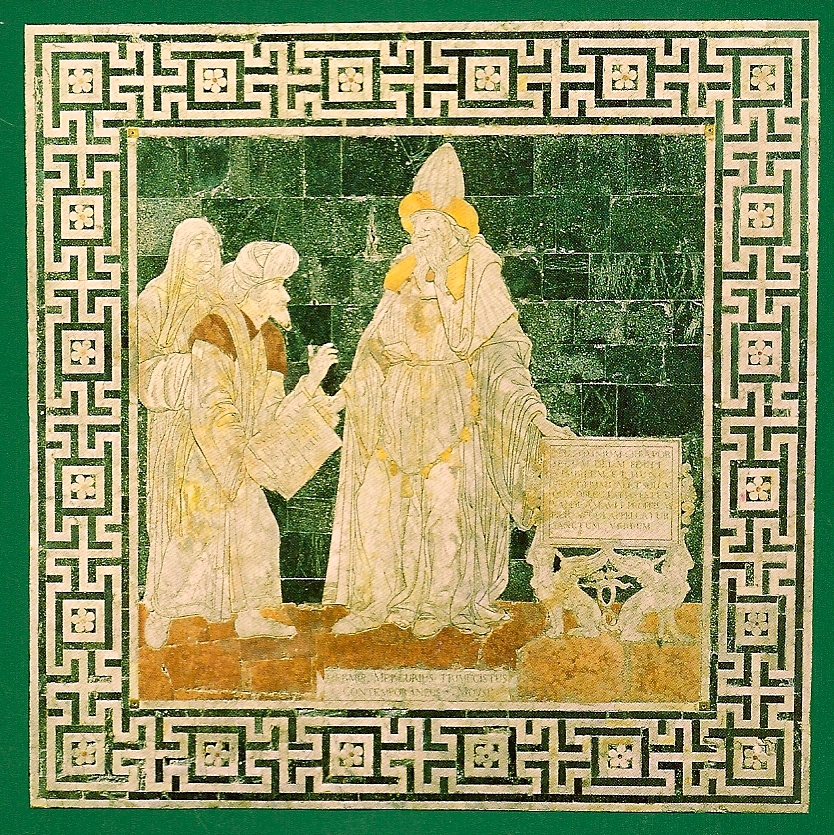
Corpus Hermeticum & Asclepius (Copenhaver Critical Edition)
The definitive scholarly translation of the Greek and Latin Hermetica attributed to Hermes Trismegistus, foundational to Renaissance Neoplatonism and Western esotericism.