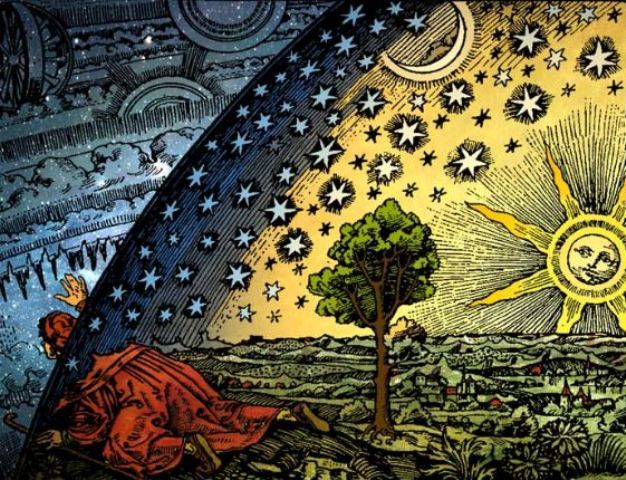
The doctrine of Self-mastery encompasses philosophical concepts, entities, and relationships that reveal the intricate web of life, highlighting the sympathy of living beings, the environment, and the pursuit of self-mastery.
The Mystical Significance of Creatures
The entities of this hermetic lineage, including Fishes, Insects, Animals, Reptiles, and Birds, are imbued with symbolic meanings that transcend their literal interpretations. Fishes, for instance, epitomize zodiacal and astrological influence, signifying the life germ and procreative mystery. This symbolism is not limited to mythological contexts but is also present in various religious practices, where Fishes are connected to the day Friday and deities associated with love, beauty, and fertility. Similarly, Insects, Animals, Reptiles, and Birds are part of the broader category of creatures symbolizing divine aspects and truths in ancient traditions.
The use of these creatures in religious symbolism and initiatory rituals of ancient traditions underscores their significance as manifestations of divine intelligence or power. The reverence with which these creatures were worshiped in ancient cultures highlights the sympathy of living organisms and the environment, as well as the recognition of divine presence and wisdom in various spiritual and religious practices.
The Pursuit of Self-Mastery
Self-Mastery is a concept central to the Self-mastery tradition, referring to the ability to control one's mental and emotional states, enabling the individual to transcend the sway of external influences and achieve a state of mental poise. This concept is particularly relevant in the context of Hermetism, where the term is used to describe the proficiency of a Hermetist in managing their emotions, thoughts, and behaviors.
The attainment of Self-Mastery is closely tied to personal autonomy, as an individual with mastery over their actions and behaviors can navigate life more effectively, maintaining stability and focus even in the face of external challenges or internal emotional turmoil. The contrast between the Hermetic Master, who has achieved Self-Mastery, and the Fool, who lacks this ability, reveals the place of self-awareness and control in achieving a state of mental poise.
Bibliographia & Fontes
Primary Source Books Used in This Article
The doctrines, historical citations, and symbolic correspondences synthesized in this article are drawn from the following primary works and chapters:
- I.The Three Initiates, The Kybalion: A Study of the Hermetic Philosophy of Ancient Egypt and Greece1908
The Seven Hermetic Principles
- II.Manly P. Hall, The Secret Teachings of All Ages1928
An Encyclopedic Outline of Masonic, Hermetic, Qabbalistic and Rosicrucian Symbolical Philosophy
Chapters / Sections Consulted:Ch. “Fishes, Insects, Animals, Reptiles and Birds”
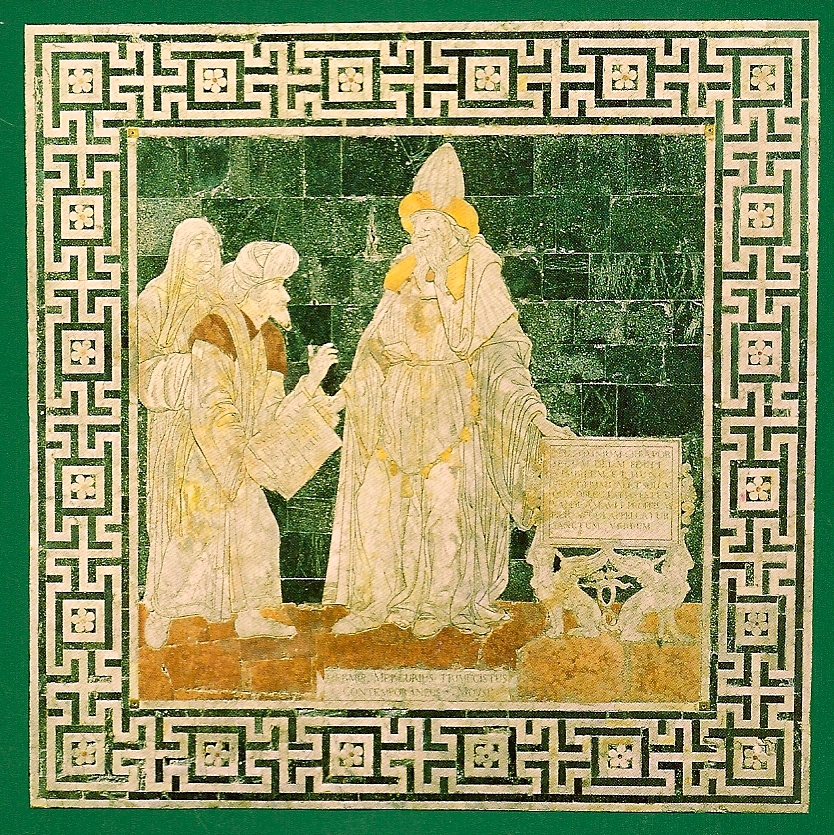
Corpus Hermeticum & Asclepius (Copenhaver Critical Edition)
The definitive scholarly translation of the Greek and Latin Hermetica attributed to Hermes Trismegistus, foundational to Renaissance Neoplatonism and Western esotericism.