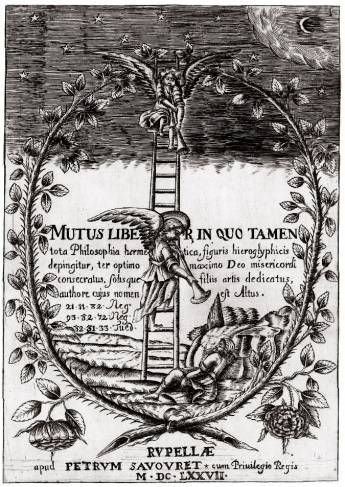
In the study of the esoteric domain of this hermetic lineage, where ancient wisdom, alchemical practices, and spiritual pursuits converge. By analyzing the intricate relationships among these traditions, we will trace the philosophical underpinnings of this esoteric community. Our exploration will reveal the central role of Hierophants, Adepts, and Neophytes in preserving and transmitting sacred knowledge, as well as the significance of the Emerald Table, Chemical Formulæ, and the Elixir of Life in the pursuit of spiritual transformation and immortality.
Hierophantic
Central to this hermetic lineage is the figure of the Hierophant, a spiritual leader and priest who embodies the wisdom and knowledge of ancient magical traditions. Hierophants are the guardians of sacred rituals, talismans, and amulets, which they employ to facilitate divine or supernatural interventions. Their expertise is sought after by Neophytes, who undergo initiation into the mysteries of the tradition under the guidance of experienced Adepts. The Hierophant's role is pivotal in transmitting the secrets of the Emerald Table, a Hermetic text that contains the universal magical power and spiritual motor central to alchemy.
The Adeptic Lineage
Adepts are highly skilled and initiated members of secret orders, renowned for their mastery of ancient mysteries. They are the senior members who mentor Neophytes in the Tarot tradition, guiding them through the intricacies of symbolism and hidden knowledge. Adepts are also the custodians of Chemical Formulæ, which they employ to perform alchemical transformations and create the Philosopher's Stone. Their possession of these formulæ enables them to facilitate and execute alchemical processes, making them essential to the adept's practice and control over alchemical transformations.
The Quest for Immortality and Spiritual Transformation
The Elixir of Life is a legendary substance shrouded in mystery, associated with various historical and mythical contexts. Alchemical Adepts seek this elixir as a means of achieving immortality and youth, believing it to confer eternal life. The creation of the Elixir of Life is linked to the blood of infants, which is believed to be necessary for its creation. This substance is also closely related to the concept of Universal Medicine, a term used by the Rosicrucians, who purportedly discovered and used it to heal the sick and possibly influential figures.
The Rosicrucian Connection
The Rosicrucian name is derived from the Greek word for dew, which is associated with wisdom and concealment. The secrets of Hermetic wisdom are connected to the Rosicrucian name, and their tradition is deeply rooted in chemical processes, particularly those connected with the formation of the Philosopher's Stone. The Rosicrucian ideals blend empirical and mystical elements in their pursuit of enlightenment and spiritual transformation.
The Emerald Table and Chemical Formulæ
The Emerald Table is a foundational text in alchemical teachings, believed to be the oldest and most revered alchemical formula. It provides the origin and history of Chemical Formulæ, which are derived from its principles. The Emerald Table and Chemical Formulæ form the cornerstone of alchemical knowledge, offering insights into the transformation and composition of substances through mystical and scientific means.
Bibliographia & Fontes
Primary Source Books Used in This Article
The doctrines, historical citations, and symbolic correspondences synthesized in this article are drawn from the following primary works and chapters:
- I.Manly P. Hall, The Secret Teachings of All Ages1928
An Encyclopedic Outline of Masonic, Hermetic, Qabbalistic and Rosicrucian Symbolical Philosophy
Chapters / Sections Consulted:Ch. “The Fraternity of the Rose Cross” · Ch. “The Elements and Their Inhabitants” · Ch. “The Theory and Practice of Alchemy” · Ch. “Alchemy and Its Exponents” - II.Arthur Edward Waite, The Pictorial Key to the Tarot1910
Being Fragments of a Secret Tradition under the Veil of Divination
- III.The Three Initiates, The Kybalion: A Study of the Hermetic Philosophy of Ancient Egypt and Greece1908
The Seven Hermetic Principles
Further Inquiry in This Cycle
Companion Studies & Disputations
The Mystical Hierarchy of Adepts
The doctrine of Adepts encompasses esoteric concepts and relationships, revolving around the mysteries of the Tarot, alchemical traditions, and the pursuit…
Elixir Of Life: The Alchemical Pursuit of Immortality
The doctrine of Elixir Of Life encompasses esoteric concepts and entities that, upon closer examination, reveal a profound philosophical narrative centered…
The Hierophant's Role in Ritual Practices and Esoteric Knowledge
This essay explores the concept of Hierophants, spiritual leaders and priests, and their role in ancient and contemporary religious rituals. Through an…
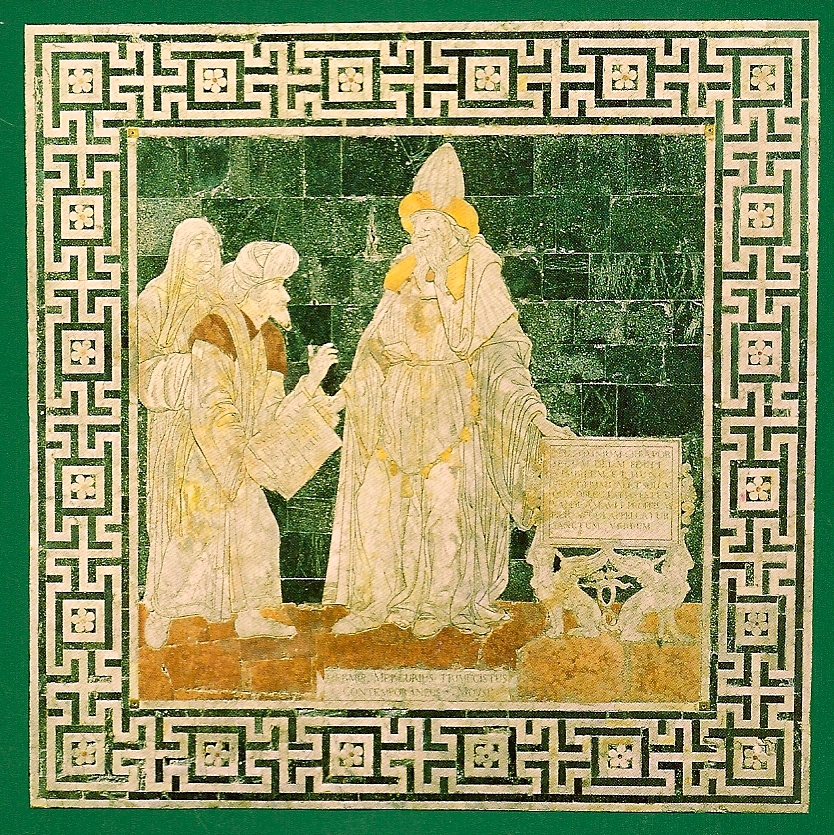
Corpus Hermeticum & Asclepius (Copenhaver Critical Edition)
The definitive scholarly translation of the Greek and Latin Hermetica attributed to Hermes Trismegistus, foundational to Renaissance Neoplatonism and Western esotericism.